Acting
No biography available.
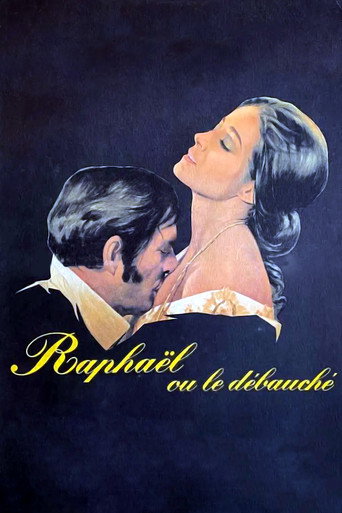
In 1830s France, a virtuous widow falls for a self-destructive debauchee obsessed with death. Initial resistance gives way to a desperate and cynical romance.
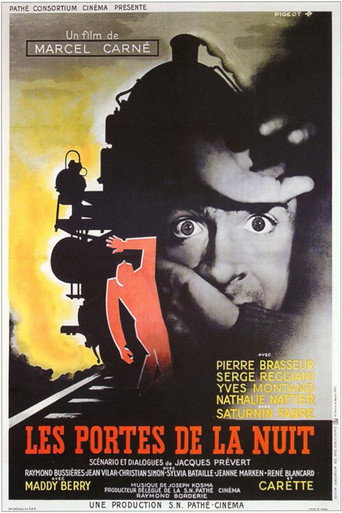
In post-Liberation Paris, a man reunites with a friend and meets the woman of his dreams, only to discover her brother's dark past.
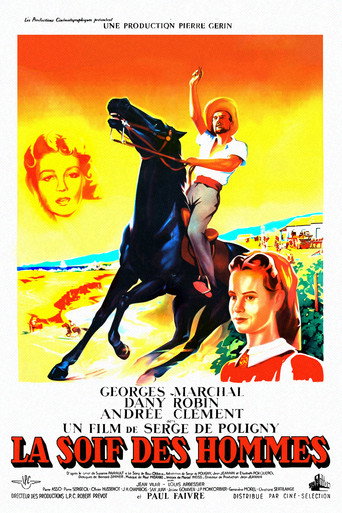
During the colonial period in Algeria, Sergeant Bouvard helps Broussole and his two daughters, Alise and Julie, settle in Hassi Ben Okba. Demobilized, he plants vines with them. Seduced by Julie's charms, he nevertheless marries Alise because she owns the land. He protects Julie from all her lovers but cheats on Alise with Adèle, a settler's wife. Unable to bear it any longer, he runs away with Julie to Oran. The death of his father brings him back to Bou-Okba. He stays with Alise until the day when, selling his wine in Oran, he is taken over by his passion. It is Julie who will tell him to resume married life and start a family of settlers.
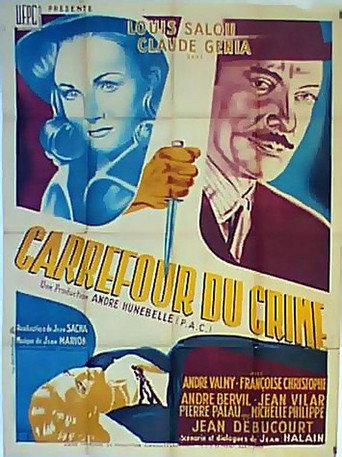
Suffering from mental disorders, a detective is trapped by his own associate who compromises him in a heinous crime.
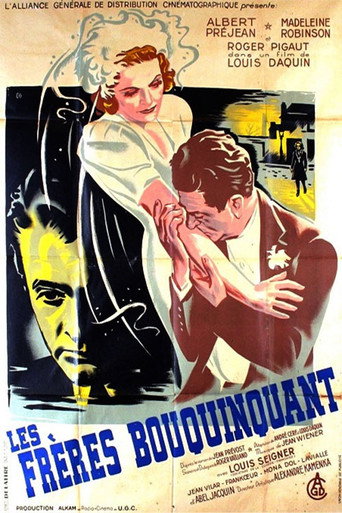
A provincial, Julie Moret, is hired as a servant in a Parisian bourgeois residence. She is courted by one of the Bouquinquant brothers, Léon, who does not take long to ask her to marry him. Alas, Léon turns out to be violent, alcoholic and lazy. Faced with her misfortune, Julie gets closer to her brother-in-law Pierre, the opposite of Léon, serious and hardworking, and they become lovers. The drama will rush when Julie becomes pregnant with Pierre.
In order for important British admiralty papers to pass into the hands of the Germans, the spy Gordon has the ingenious idea of transforming a lamentable drunkard into a Lady, haughty but submissive to his orders. Stella's transformation is complete, the success extraordinary. Why must a French officer touching the heart of the former pochard bring down the fragile edifice? A submarine is about to blow up, Gordon is shot down and a confessed Stella returns to her horrible taverns to drown her sorrows in alcohol for good.
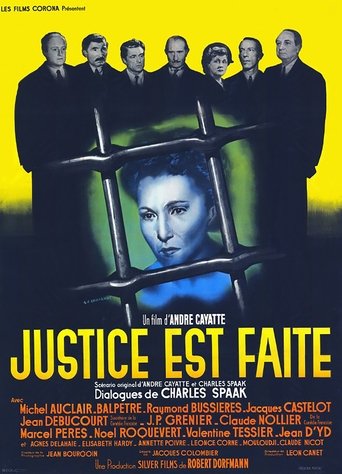
Elsa Lundenstein is accused of having murdered her lover. The jury discusses the case vividly. All members are somehow prejudiced because of personal life experience and subsequently each member reads something different into the presented facts.
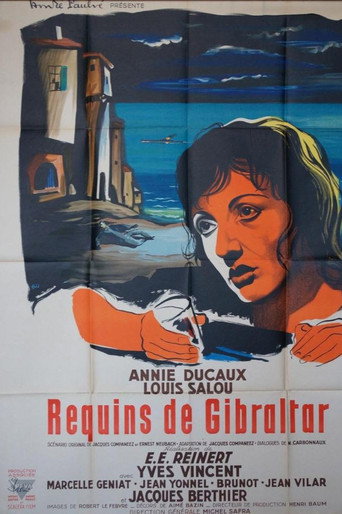
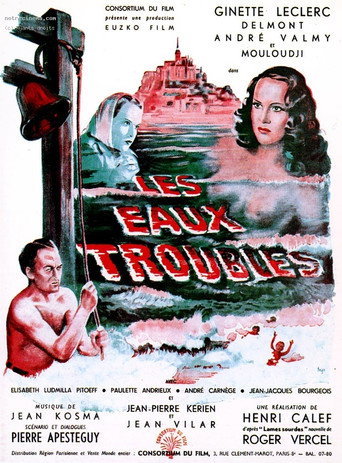
A woman returns to her hometown along the French coast, seeking answers about the death of her brother.
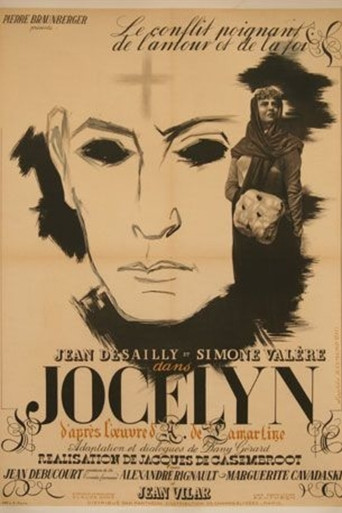
In 1786, Jocelyn entered the Seminary. He leaves his share of the inheritance to his younger sister Julie. In 1793, on the point of being ordained a priest, the Revolution forced him to take refuge in the Alps. There he meets Laurence, first disguised as a young boy. A great friendship binds them which turns into love when Jocelyn discovers the girl's true identity. Yet faithful to the promise he made to the Superior of his Seminary, Jocelyn will not abandon his faith.
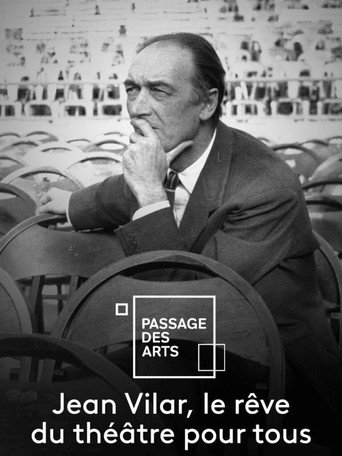
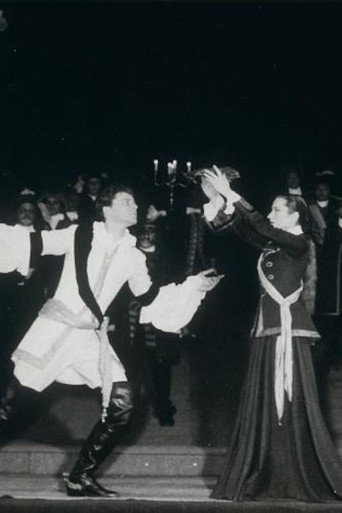
The T.N.P., the Théâtre National Populaire, an important experimental theater directed by Jean Vilar. Franju combines sequences from theatrical performances with documentary images, creating links and confrontations between theater and the real world.