Sound
No biography available.
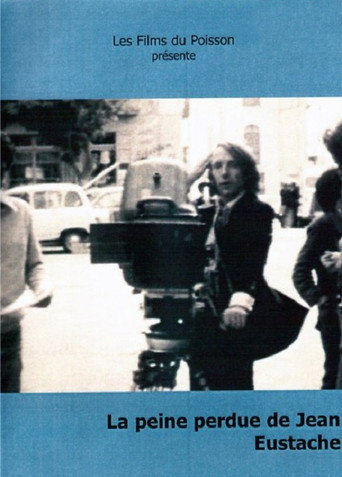
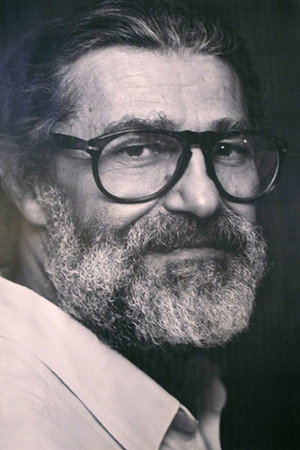
Ángel Díaz’s documentary The Lost Sorrows of Jean Eustache, concentrates on Eustache as cinematic thinker and archivist of his own life. Actors read texts written by Eustache, including the following reflection: “The role of the author in cinema should be one of non-intervention.” This sentence reminds us that he belongs to the greatest of film traditions (he cites Griffith, Renoir, Dreyer, and Lang as his models), the one that sees cinema as a matter of placing the camera in front of reality and capturing it ardently, precisely, and without tricks.
Eric Rohmer and his actors prepare and rehearse "Perceval le Gallois".
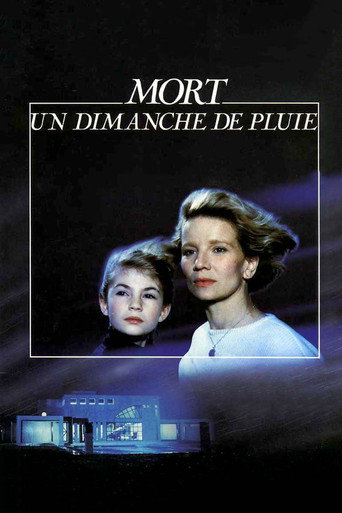
Solange is seriously depressed, and her kindhearted husband, Raoul, makes it his mission to cure her doldrums. After many failed attempts to cheer her up, Raoul hits upon a possible solution: find his wife a lover. Unfortunately, his choice, Stéphane, proves to be just as ineffectual in restoring her flagging spirits. In the end, the gorgeous Solange finds her own, highly problematic tonic to her troubles in the form of a 13-year-old boy.
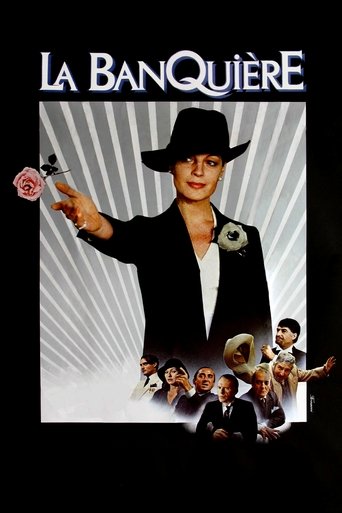
Ambitious Emma Eckhert successfully makes her way into a world previously reserved for men: that of high finance. She quickly becomes popular with small savers, but leads a scandalous life that will cost her.
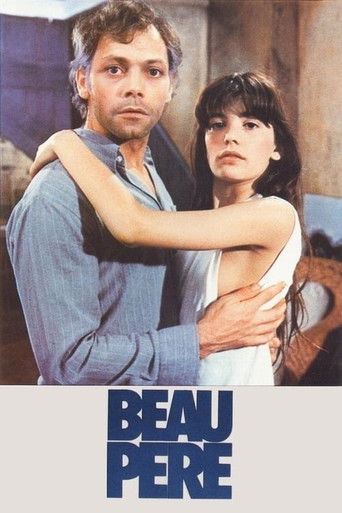
Rémi is a man trapped in a deteriorating marriage. When his wife is unexpectedly killed in a car accident, Rémi is left with his stepdaughter, Marion, who chooses to stay with him rather than live with her birth father. After the initial shock passes, Rémi is caught off-guard when Marion begins expressing her attraction to him. Initially repulsed, Marion's mature beauty wears him down as he finally caves to her seductions.
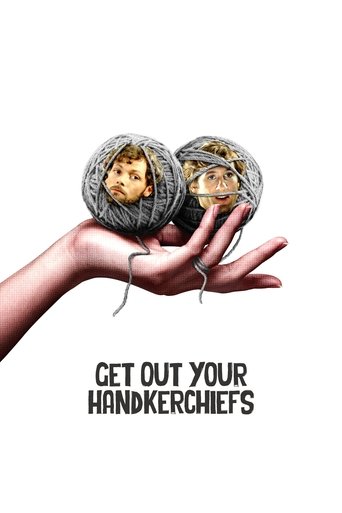
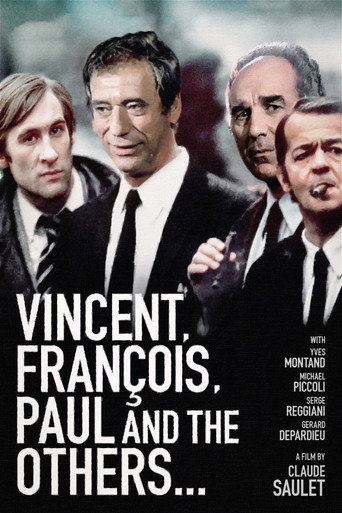
Three friends navigate mid-life crises: a blocked writer, a disillusioned doctor, and a charming man facing bankruptcy and divorce. As their struggles strain friendships, a younger man captures the attention of one friend's wife, complicating their lives further.
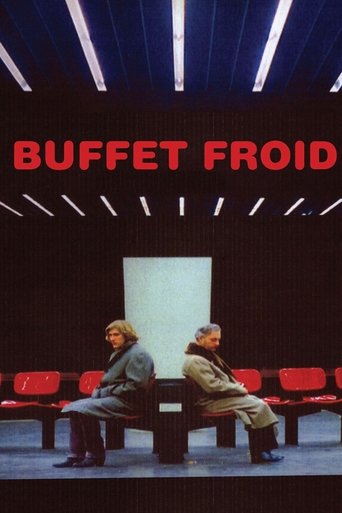
Alphonse Tram is unwittingly involved in several murders despite having no memory of committing the crimes. His confusion lead him to confess to his neighbour, Inspector Morvandieu. Alphonse and Morvandieu become the axis around which murders occur.
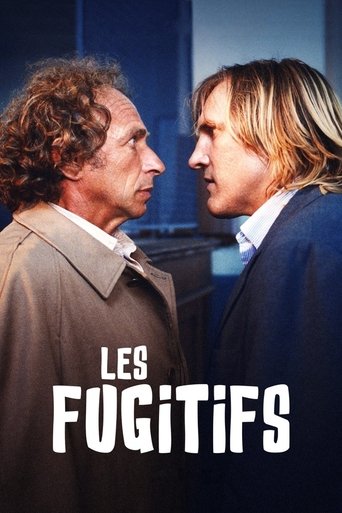
Coming out from jail, Lucas has decided to change his life and behave like a good citizen. But when he is taken hostage in a bank by a hare-brained robber, no cops can believe he is not part of the action.
Thriller about a psycho looking for revenge. Bronsky is a paraplegic because of an accident at a construction site that was partly due to the head architect, David Briand. Many years after the accident, Bronsky shows up at Briand's residence with his family and his trailer looking for assistance. He and his wife insinuate themselves into the household without revealing their true identity. They start to work for Briand and his wife Elaine as a gardener and a babysitter with the sole objective of wreaking havoc on their lives and avenging Bronsky's disabilities.
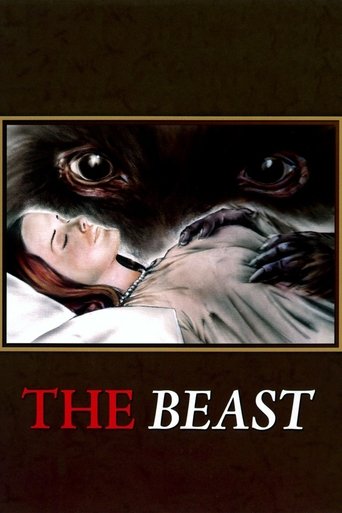
The head of a failing French family thinks that fate has smiled down on him when the daughter of a wealthy man agrees to be married to his son. The daughter and her aunt then travel out to the French countryside to meet with the family, unaware that a mysterious 'beast' is stalking the vicinity.
Madame Rosa lives in a sixth-floor walkup in the Pigalle; she's a retired prostitute, Jewish and an Auschwitz survivor, a foster mom to children of other prostitutes. Momo is the oldest and her favorite, an Algerian lad whom she raises as a Muslim. He asks about his parents; she answers evasively. As she ages and takes fewer children, Momo must do more for her; as money is tight, he tries to earn pennies on the street with a puppet. He's a beautiful man-child, and Madame Rosa makes him promise never to sell himself or become a pimp. A film editor, Nadine, befriends him, and his father appears as well. Madame Rosa reaches her last days in fear of hospitals, and Momo must act.
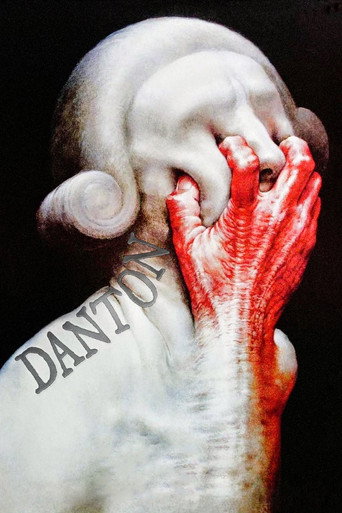
Danton and Robespierre were close friends and fought together in the French Revolution, but by 1793 Robespierre was France's ruler, determined to wipe out opposition with a series of mass executions that became known as the Reign of Terror. Danton, well known as a spokesman of the people, had been living in relative solitude in the French countryside, but he returned to Paris to challenge Robespierre's violent rule and call for the people to demand their rights. Robespierre, however, could not accept such a challenge, even from a friend and colleague, and he blocked out a plan for the capture and execution of Danton and his allies.