Jean-Paul Sartre Movies, TV Shows, and Filmography
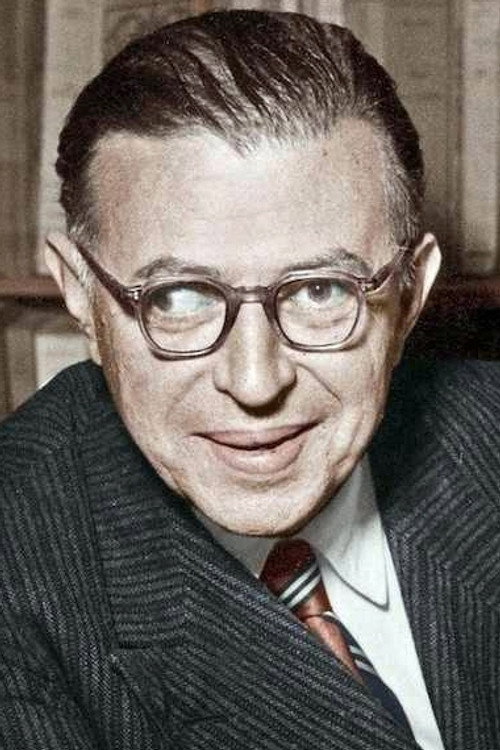
Jean-Paul Sartre
Writing
Biography
Jean-Paul Charles Aymard Sartre (21 June 1905 – 15 April 1980) was a French philosopher, playwright, novelist, screenwriter, political activist, biographer, and literary critic. From Wikipedia, the free encyclopedia
Filmography Movies
Acting
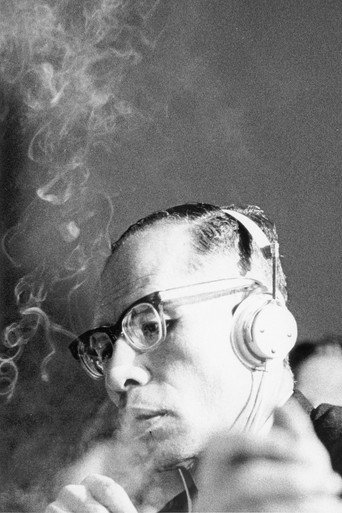
The Russell Tribunal
At the height of the Vietnam War, a group of intellectuals begins a series of hearings in the People’s Palace in Stockholm. (Filmform)
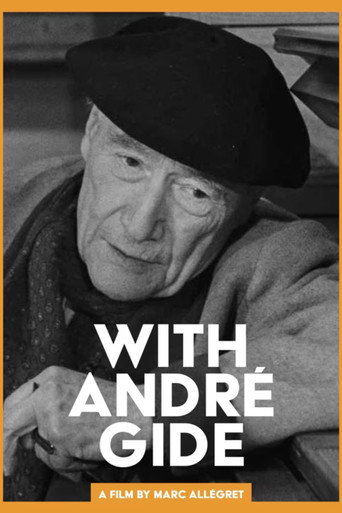
With André Gide
Nobel-prize-winning author, social justice crusader, anti-colonialist, adventure traveler, musician, and one-time Communist: André Gide was a larger-than-life character who dominated French letters from the turn of the 20th century to his death in 1951. Directed by Marc Allégret, with whom Gide traveled extensively in French Equatorial Africa, the film was made in the year leading up to the writer’s death.
The Padilla Affair
Havana, spring 1971: The poet Heberto Padilla has just been set free and appears before the Cuban Writers' Union where he pronounces a statement of "heartfelt self-criticism", declares himself to be a counterrevolutionary agent and throws accusations of complicity at many of his colleagues present at the event, among them, his wife. A month previously, his arrest under the accusation of endangering the security of the Cuban state had mobilised prominent intellectuals all over the world, who wrote a letter to Fidel Castro calling for the release of the poet, whose only sin had been to dissent through his poetic work. The writer's mea culpa, the recording of which is shown for the first time to the public, marks the narrative line of a story including the testimonies of Gabriel García Márquez, Julio Cortázar, Mario Vargas Llosa, Jean-Paul Sartre, Jorge Edwards and Fidel Castro.
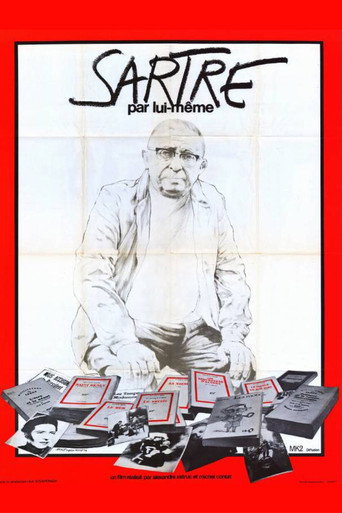
Sartre by Himself
Michel Contat is Emeritus Director of Research at the CNRS, ITEM/CNRS/ENS and a specialist of Jean-Paul Sartre whose novels and theater he has edited in the Pléiade edition and about whom he has written several books. With Alexander Astruc, he made the film Sartre par lui-même (1976) and, with Antoine Burnier, co-wrote the script of Claude Garretta’s TV film Sartre, L’Age des passions (2006). As a journalist, Contat contributed literary columns for Le Monde since 1978, and as an amateur musician, he was the jazz columnist for the magazine Télérama. His most recent books are Pour Sartre (2006) and André Gorz; vers la société libérée (2009).
The Future Is Now!
A journalist meets “Man of Today” who, while a responsible citizen, is disengaged from greater society. He believes once he’s dead nothing more matters. As an experiment to see if she can turn his pessimistic view around, the journalist sends him on a journey of enlightenment to prove that the future does matter. Travelling the globe, he finds himself in surprising encounters with great minds in the arts and sciences. Starting with an unexpected poetry reading and conversation with experimental poet Christian Bök, Man of Today engages with architect Shigeru Ban, activist Francis Dupuis-Déri, philosopher Alain de Botton, artist Marlene Dumas, novelist Rivka Galchen, leading scientists and a ghost. Will the journalist succeed in turning a cynic into an optimist? Will it matter? What can one person do?
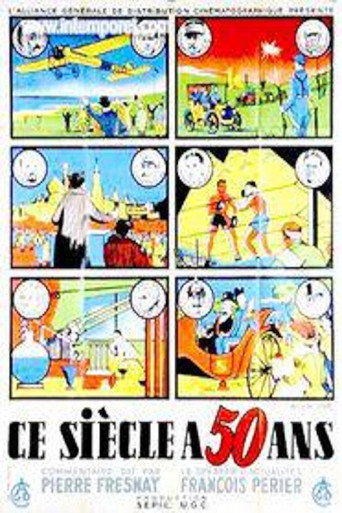
The Century Is Fifty
As the title of this French documentary indicates, Ce Siecle a 50 Ans examines the 20th Century at its halfway point. Utilizing the archives of several European film reserves, director Denise Tua offers a fascinating mosaic of the people and events that shaped the years 1900 to 1950. Complementing the vintage film clips are three dramatized sketches, delineating the romantic customs of three different points in time. These sketches are inadequately performed, and can easily be ignored. Ce Siecle a 50 Ans both preserved and provided celluloid material for scores of future documentaries.
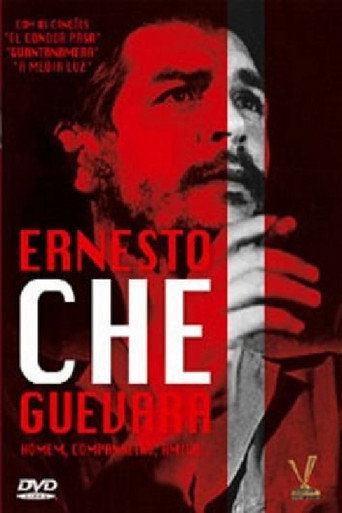
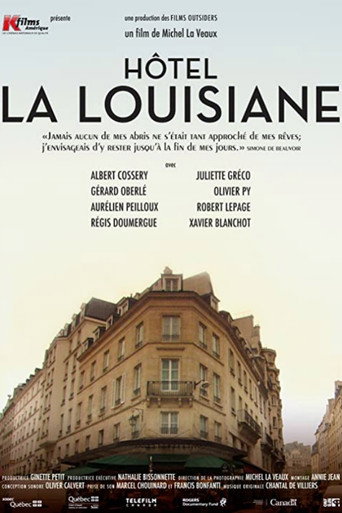
Hôtel La Louisiane
Hôtel La Louisiane is, at its core, a film about freedom and dignity. Freedom for those who wish to live in a place where they are able to feel inspired. Dignity for the hotel owner to stand by his promise to his father and keep their mission alive: to provide an affordable sanctuary for artists and students in search of fulfilling employment, which they certainly won’t find at other hotels. Freedom, too, to be in an environment of tolerance and rid of prejudice. This film is not just a story about a mythical setting in Paris; it portrays the microcosm of a lifestyle in which collective values reign supreme. A film where what’s real and true is placed above national borders or cultural barriers.
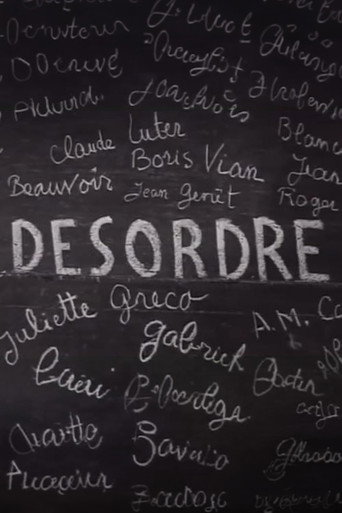
Disorder
Variations on the cultural and intellectual explosion in the Saint-Germain-des-Prés district in 1946.
Production
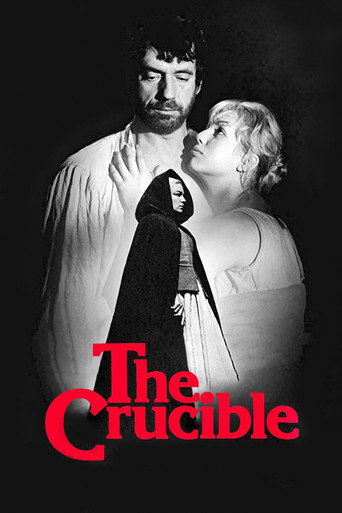
The Witches of Salem
Salem 1692. The young Abigail, seduced and abandoned by John Proctor, accuses John's wife of being a witch in revenge. A series of tragic trials soon befall Salem as fear and suspicion blur the lines of reality.
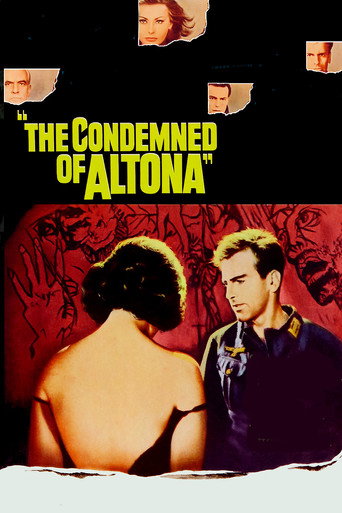
The Condemned of Altona
A dying German magnate invites his youngest son and daughter-in-law home to discuss the future of the family's shipbuilding empire. There, the daughter-in-law stumbles upon a secret of the family's Nazi past.
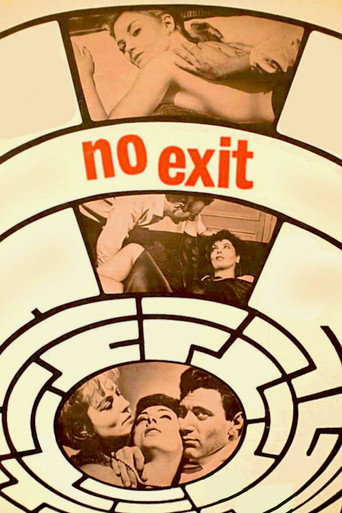
No Exit
The Valet enters a hotel room with Joseph Garcin in tow. The windowless room has a single entrance and no mirrors. Two women, Inès Serrano and Estelle Rigault, are then led in; afterwards, the Valet leaves and locks the door. Realising that they are in hell, the trio expects to be tortured; however, no torturer is forthcoming. While waiting, they strike up a conversation and discuss each other's sins, desires, and unpleasant memories. Adaptation of the play by Jean-Paul Sartre.
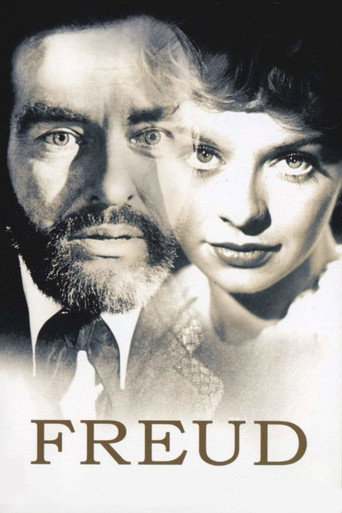
Freud: The Secret Passion
An examination of Austrian psychologist Sigmund Freud's career when he began to treat patients diagnosed with hysteria, using the radical technique of hypnosis.
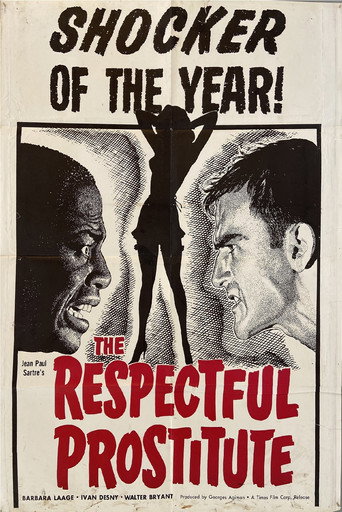
The Respectful Prostitute
Fred, the nephew of a senator,has murdered a Black man on a train. The two only witnesses are Lizzie McKay, a prostitute from New York, and Sidney, a colored man. Fred decides to seduce Lizzie in order to make her give false evidence according to which Sidney has attempted to rape her. The uncle also puts pressure on the young woman. After much hesitation, Lizzie finally accepts but Sidney, who has nearly got lynched, takes refuge at her home...
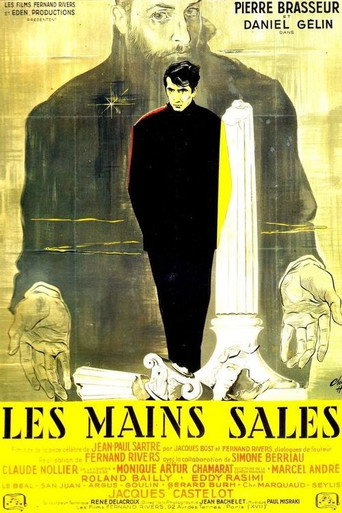
Dirty Hands
A young intellectual, Hugo, joins the Communist Party out of a sense of idealism, only to see his principles manipulated by party leaders. He is given the assignment of killing Professor Hoederer, a party deviationist. However, he grows to admire the man and begins to have doubts about morals and revolutionary politics. But jealousy - Hugo thinks Hoederer has made love to his wife, Jessica - takes matters out of the political realm.

The Wall
An adaptation of the J.P. Sartre story "Le Mur". What goes on in his mind and what happens outside when he has left only few more hours left to live. The existential dilemmas of a prisoner condemned to death from a repressive regime for his participation in a resistance movement and his friendship with the leader of this resistance. When all seems lost and he has already given up the most unlikely coincidence changes the course of events and his life.
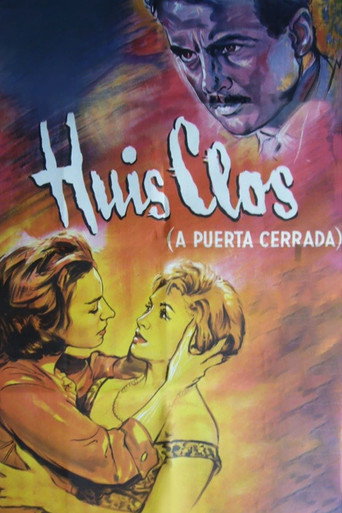
Closed Door
Three recently-deceased persons are locked into a hotel suite together for all eternity. Adaptation of Huis clos, by Jean Paul Sartre.
Vicious Circle
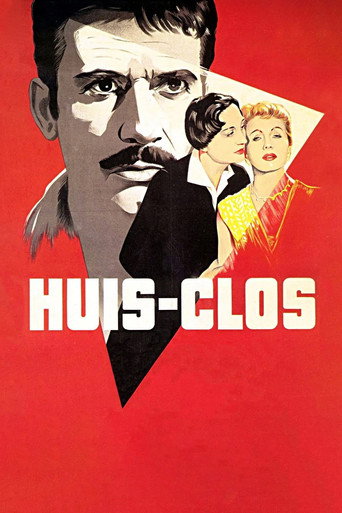
No Exit
The scene is a tawdry hotel room in Limbo, where several damned souls are gathered. At first, the group fails to comprehend where they are or why they're there. When the horrible truth dawns upon them, they carp and snipe at one another, blaming everyone but themselves for their dismal fate.
Gallery