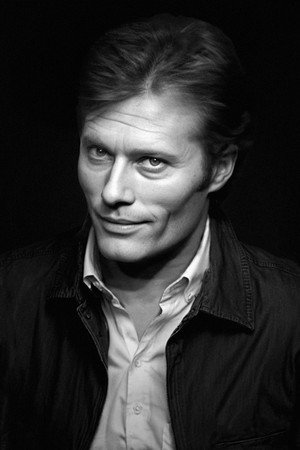
Jean-Paul Janssen Movies, TV Shows, and Filmography
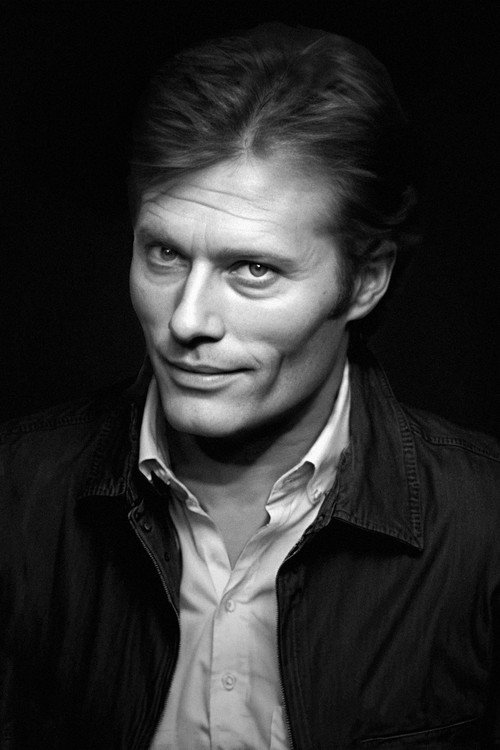
Jean-Paul Janssen
Directing
Biography
No biography available.
Filmography Movies
Acting
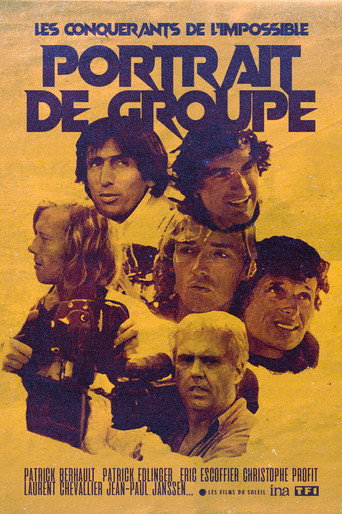
Les Conquérants de l'Impossible: Portrait de Groupe
“The Conquerors of the Impossible: Group Portrait” is a documentary on free climbing which takes place in the Verdon Gorges and Toulon. It was directed by Bernard Dumont in 1986 and produced by Les Films du Soleil. It is part of the series The Conquerors of the Impossible (3-3). There we find Patrick Berhault, Patrick Edlinger, Eric Escoffier, Christophe Profit, Laurent Chevallier, Jean-Paul Janssen and other pioneers of free climbing.
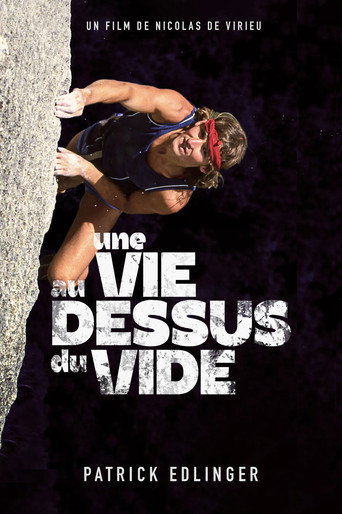
Une Vie au dessus du vide
Une Vie Au Dessus Du Vide (A Life Above the Void), directed by Nicolas de Virieu, is a documentary that recounts the journey of Patrick Edlinger, an exceptional climber, through a parallel between the strong media impact he had, unmatched to this day, and the evolution, or rather the explosion, of climbing activity during the 80s/90s. Rare excerpts from mainstream programs (television news, Champs-Élysées, Le Grand Échiquier, Les Carnets de l'Aventure...) also remind us what a great star he was, all interspersed with interviews with Seb Bouin, Jean-Paul Lemercier, Arnaud Petit, Antoine Le Menestrel and Gérard Kosicki.
Production
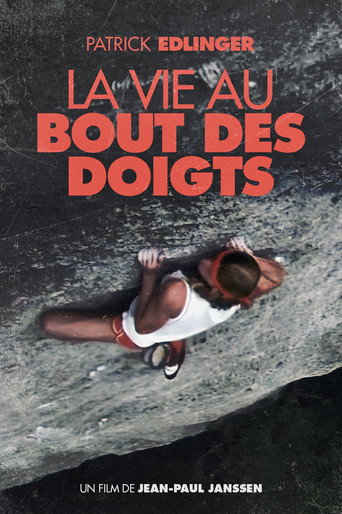
Life by the Fingertips
Life By The Fingertips is a documentary film by Jean-Paul Janssen released in 1982, directing Patrick Edlinger totally living his passion, climbing, which he practices here solo ("with bare hands"), it that is, without a rope or any kind of insurance. The film begins with a session of solo sea crossings on the Piade site near Toulon. In the second part, Patrick Edlinger trains in Buoux before carving a solo route in this now famous climbing site. This mythical film in more than one way is considered the first climbing film, that is to say where climbing is an activity in itself and not a means of preparing for mountaineering. His media success was such that he propelled Patrick Edlinger to the rank of world star, and above all he made climbing known to the general public, and was even nominated for the César for best documentary short film.
Life by the Fingertips
Life By The Fingertips is a documentary film by Jean-Paul Janssen released in 1982, directing Patrick Edlinger totally living his passion, climbing, which he practices here solo ("with bare hands"), it that is, without a rope or any kind of insurance. The film begins with a session of solo sea crossings on the Piade site near Toulon. In the second part, Patrick Edlinger trains in Buoux before carving a solo route in this now famous climbing site. This mythical film in more than one way is considered the first climbing film, that is to say where climbing is an activity in itself and not a means of preparing for mountaineering. His media success was such that he propelled Patrick Edlinger to the rank of world star, and above all he made climbing known to the general public, and was even nominated for the César for best documentary short film.
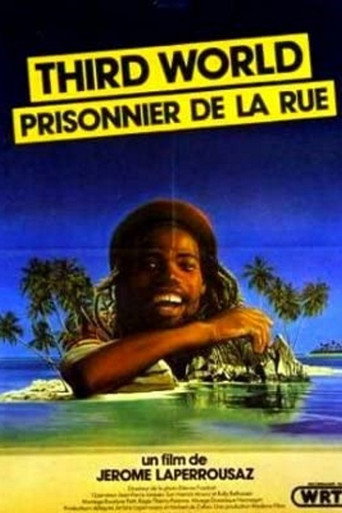
Third World
At the roots of reggae, in Jamaica, close-up on the group Third World. Portraits of the musicians in their daily lives and the cultural context from which they draw their artistic inspiration.
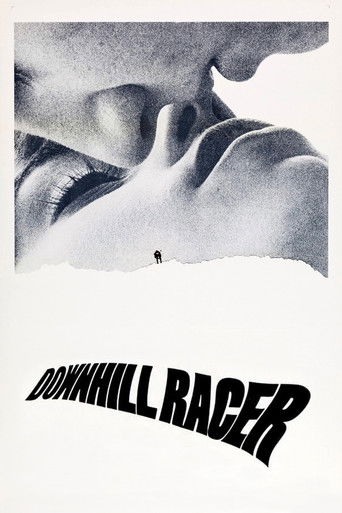
Downhill Racer
An ambitious young skier, determined to break all existing records, is contemptuous of the teamwork advocated by the US coach when they go to Europe for the Olympics.
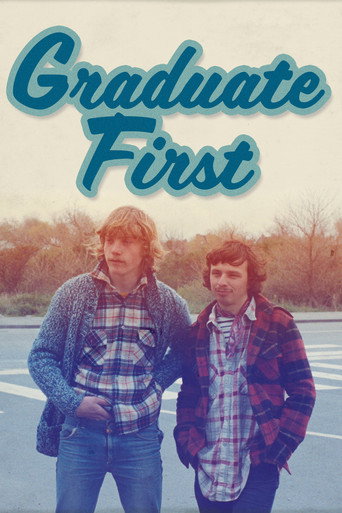
Graduate First
A slice of life of a group of young working class friends in a Northern French village coming to the end of their school years and embarking upon adult life. The film follows the choices and decisions made for their futures.
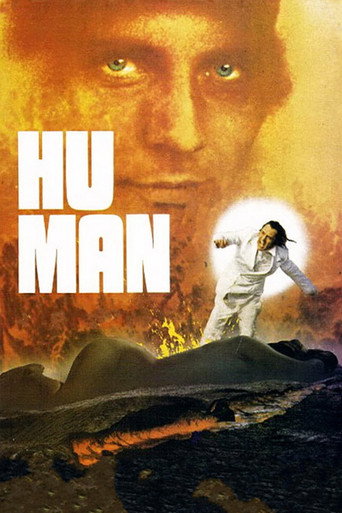
Hu-Man
An actor is placed in dangerous situations and his fear will be broadcast to the television audience. The audience's emotions will determine whether he is sent into the future or the past.
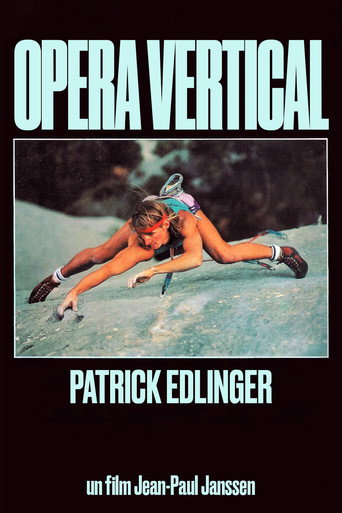
Opera Vertical
Vertical Opera is a documentary film directed by Jean-Paul Janssen, with climbers Patrick Edlinger and Jean-Paul Lemercier in the Gorges du Verdon. The film opens with a training sequence of Patrick Edlinger then he links the routes with Jean-Paul Lemercier "L'Ange en décongelation" (7a), in which he falls voluntarily to demonstrate the usefulness of the rope, then "Le Septième Saut" (7b+). Finally, the final scene, an anthology, consists of a close-up of Edlinger who climbs free solo and barefoot the route "Débiloff", still in the Verdon, above hundreds of meters of void, all to lyrical music. It is "Wie Furchtsam Wankten Meine Schritte", the aria for alto voice from Johann Sebastian Bach's cantata BWV 33, music not unrelated to the subject of the documentary: "How faltering and fearful my steps were".
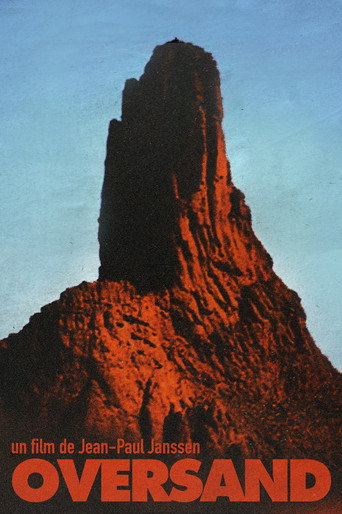
Oversand
Oversand is one of the first films about free climbing, the third film in a series of three with "Overdon" and "Over-Ice". Directed by Jean-Paul Janssen, the film was shot in 35mm in Algeria, in the Sahara Desert, in the Tamanrasset region, on the walls of the majestic peaks of the Atakor massif, central sub-region of Hoggar, mountainous heart of Hoggar, a volcanic plateau of almost circular shape, whose average altitude is 2000 meters, and which culminates at Mount Tahat (2918m), the highest point in Algeria. The Atakor is distinguished by its spectacular volcanic peaks, its needles, and its rugged landscapes, resulting from the erosion of ancient volcanic chimneys, which make it the most emblematic summits of the Hoggar, such as the Assekrem, the Ilamane, or the Tizouyag, where climbers Patrick Edlinger, Patrick Bérhault, Bernard Gorgeon, Hugues Jaillet, Jacques Perrier, Stéphane Troussier and Odette Schoënleb evolve under the watchful eye of the Tuareg caravans.
Oversand
Oversand is one of the first films about free climbing, the third film in a series of three with "Overdon" and "Over-Ice". Directed by Jean-Paul Janssen, the film was shot in 35mm in Algeria, in the Sahara Desert, in the Tamanrasset region, on the walls of the majestic peaks of the Atakor massif, central sub-region of Hoggar, mountainous heart of Hoggar, a volcanic plateau of almost circular shape, whose average altitude is 2000 meters, and which culminates at Mount Tahat (2918m), the highest point in Algeria. The Atakor is distinguished by its spectacular volcanic peaks, its needles, and its rugged landscapes, resulting from the erosion of ancient volcanic chimneys, which make it the most emblematic summits of the Hoggar, such as the Assekrem, the Ilamane, or the Tizouyag, where climbers Patrick Edlinger, Patrick Bérhault, Bernard Gorgeon, Hugues Jaillet, Jacques Perrier, Stéphane Troussier and Odette Schoënleb evolve under the watchful eye of the Tuareg caravans.
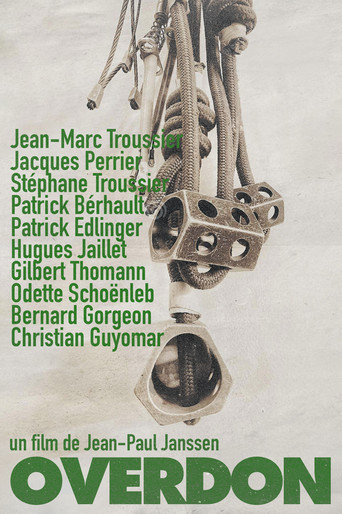
Overdon
First film in a series of three with Over-Ice and Oversand and one of the first films on free climbing shot in the cliffs of the Gorges du Verdon in several parishes. We meet a certain Patrick Edlinger, Patrick Bérhault, but also Jean-Marc Troussier, Jacques Perrier, Stéphane Troussier, Hugues Jaillet, Gilbert Thomann, Odette Schoënleb, Bernard Gorgeon, Christian Guyomar. Thanks to the program Les Carnets de l'aventure, then broadcast on Antenne 2, and its producer Pierre-François Degeorges, this film was made. The chain gave its production agreement during the day, while the climbing was very confidential, no one knew Patrick Edlinger and the project itself contained only a few lines on a sheet
Gallery