Directing
No biography available.
A docudrama examining diverse variations on the theme of French filmmakers' political engagement or not alongside the working class with, as a parallel metaphor, the case of the mutiny on the Battleship Potemkin in 1905 in Russia.
Thomas is a young man who rebels against society after witnessing his father's suicide. He embarks on a marginal and increasingly violent existence with Malvina, a woman he meets, as they attempt to escape societal pressures. Their journey ultimately leads to their internment in a mental asylum, a bleak outcome reflecting their futile struggle for individual freedom.
Humorous portrait of the great specialist of video art in France. From one of his lectures only the silences remain. It's up to us to imagine what he might have said about video art. Removing speeches on video to become video.
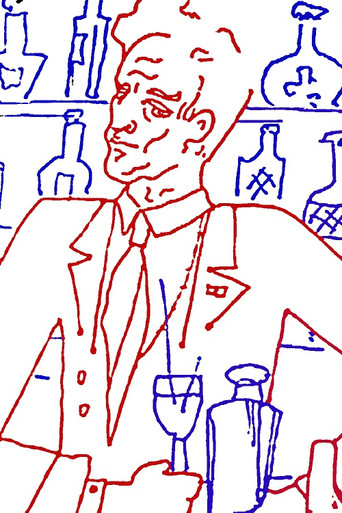
Radioscopy of Armand Robin who, during the Algerian war, listened to the false words of radio propaganda and hosted poetry programmes against the said propaganda.
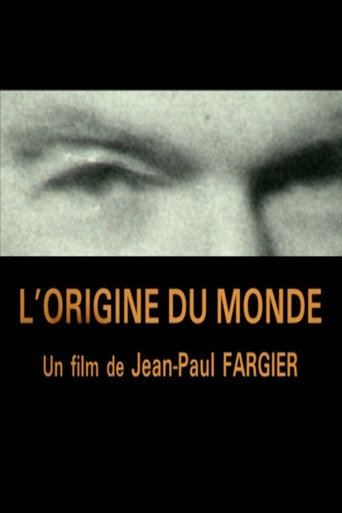
The story of the creation, disappearance and reappearance of one of the most mysterious paintings in Western art.
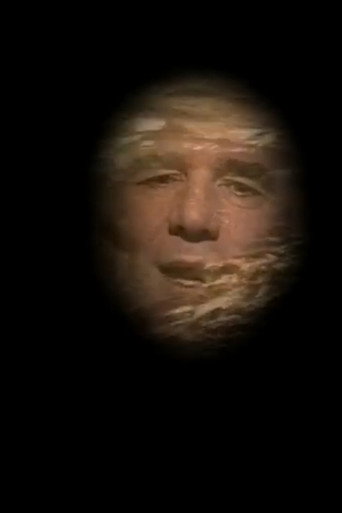
Michel Piccoli reads the first pages of Victor Hugo's 'Promontoire du songe'. In this text, Hugo describes his sensations when he sees, enlarged 40 times, the Moon through the telescope of the Observatorium of Paris. His visions drive him into a meditation about the relationships in between dream, reality and poetry.
Jean-Paul Fargier's documentary is a montage of animated images, numerous drawings and interviews with Jean Cocteau (1889-1963), interspersed with filmed archives of personalities he met with the aim of telling us about the explosive and prodigious life of this poet whose thirst for discovery and knowledge led him to connect with all the arts: the visual arts, literature and poetry, cinema and theater, dance and music. This eclecticism was fueled throughout his life by a profusion of artistic and romantic encounters, from Stravinsky to Picasso , from Coco Chanel to Colette , from Raymond Radiguet to Jean Marais . This whirlwind of social events, this artistic profusion inspired this documentary, in light of a large number of archives that make us revisit the artistic and Parisian life of the time. A multiple work, a life that contains several.
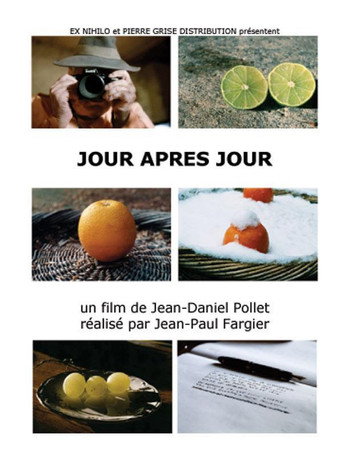
He inhabits the world just like he inhabits his house: motionless. A serious accident nailed him there: in a house in the middle of a large garden. No longer can he dash around the world: day after day, he contemplates it from his house. He’s a filmmaker. He’s only ever lived to make movies.
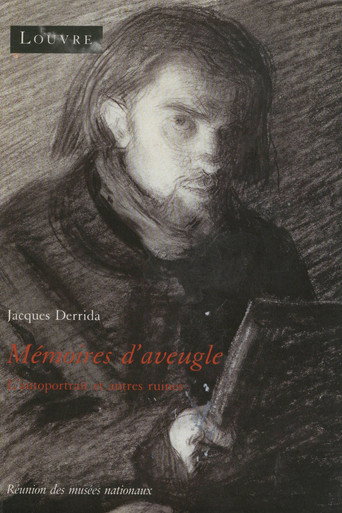
In 1990, the Louvre invited the French philosopher Jacques Derrida to create a visual and philosophical product based on the materials of the museum's exposition. The philosopher chose the image of a blind man in painting. In the film, Jacques Derrida reflects on the drawings of the Louvre's "Parti-pri" exposition. The director captures the emerging thought and, with the help of various representative means, allows us to see the rapprochement that Jacques Derrida establishes between the gesture of the artist and the gestures of the blind man.
Theoretical film essay dealing with the main ideologies of mainstream commercial cinema.