Jean-Marc Boivin Movies, TV Shows, and Filmography
Jean-Marc Boivin
Acting
Biography
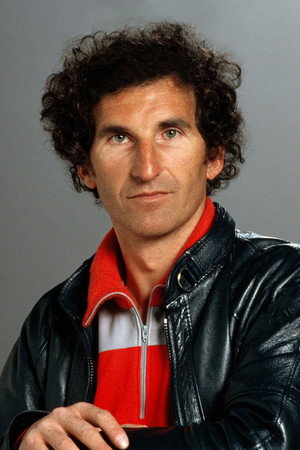
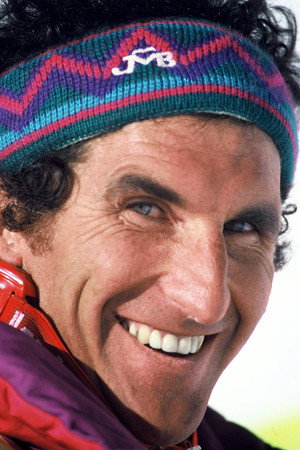
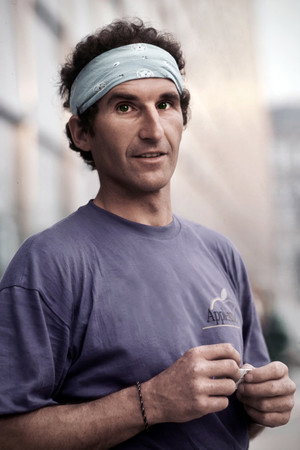
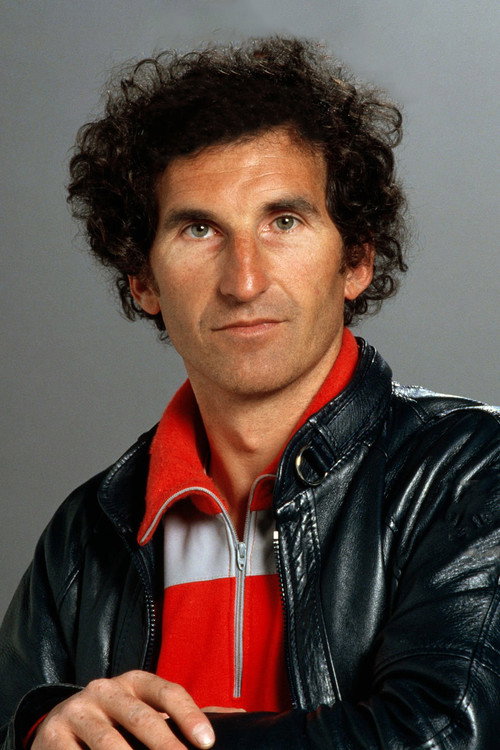
Jean-Marc Boivin, born April 6, 1951 in Dijon and died February 17, 1990, in Venezuela near Salto Angel, was a French mountaineer, extreme skier, paraglider, caver and base jumper. He has directed several award-winning films. He holds altitude records in hang gliding and paragliding; he was also the first to descend Everest by paraglider. This "adventurer of modern times" as he has defined himself is of Dijon origin and made his debut as climbers in Fissin and the difficult limestone cliffs of the Cormot rocks. A true jack-of-all-trades for adventure, Jean-Marc Boivin stands out for the diversity of his talents: climber, mountain guide, glacier climber, paraglider, steep slope skier, this man, known for his kindness and warmth holy energy! His twenty years of adventure know the major stages that punctuate his career. The winter of 1977 was conducive to extreme skiing: he succeeded in his first 8 descents. The following summer, he opened a new route on the Extremely Difficult side of Mont Blanc du Tacul. In 1980, his lightning ascent of the north face of the Matterhorn in solo leaves dreamer: 4h10mns. On September 26, 1986, "the bird-man" flew from the summit of Everest, to descend from the roof of the world in a paraglider for 12 minutes of "happiness" in his own words. But the general public has especially remembered the fantastic spectacle played by Jean-Marc in March 1986 when he succeeded in chaining the four winter north faces of Mont-Blanc in less than twenty hours, combining both his talents as an extreme skier , mountaineer, parachutist and delta wing virtuoso. In hang-gliding, he holds several world records, notably jumping from the summit of Aconcagua and covering some 34 km in a paraglider from the summit of Mont-Blanc. On February 16, 1990, followed by a television crew filming for the show Ushuaïa, the extreme magazine, Jean-Marc Boivin managed a jump of nearly 1,000 meters in base-jump from the Salto Angel waterfall, the highest waterfall in the world, on the Auyan Tepuy, in Venezuela. The next day, he decides to repeat the feat from, this time, the top of the fall itself, at 979 meters. Or, a woman, Catherine, who had jumped just before him having injured herself after his fall, Jean-Marc Boivin jumped just after to help him. But, at the end of the jump, he collided with a tree. To the team that came to rescue him by helicopter, he told them to go first to rescue the person who had jumped before him. When the team returned to him, he had died of internal bleeding at the age of 38. He is the first Frenchman to die in Base Jump.
Filmography Movies
Acting
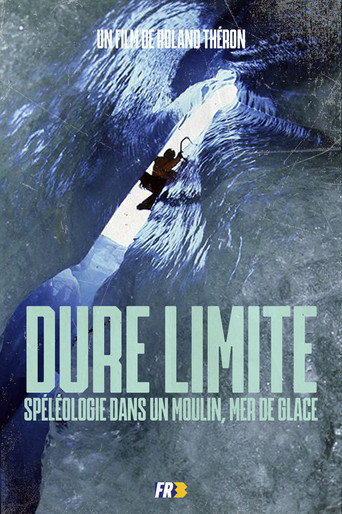
Dure Limite: Caving in a mill, Mer de Glace
The Mer de Glace in Chamonix, November 86: every summer the meltwater that runs on the surface of the glacier flows into a huge crevasse called "a mill". In 1897, Joseph VALLOT had explored it to a depth of 60m, a lake had prevented him from going any further. Since then no one had descended into this well. In the fall, a multidisciplinary team made up of mountaineers including Jean Marc BOIVIN, speleologists and scientists descending into the crevasse... Superb images and live comments in a temperature of 0° and a humidity of 100%. The team reached 110m deep under the ice, a world first in glacier exploration. Jean marc BOIVIN seems delighted with his first speleological exploration. With the participation of Serge AVIOTTE, Jean Michel ASSELIN, Jean Marc BOIVIN, Janot LAMBERTON, Pierrot PILLET, Louis REYNAUD, Jean Luc RIGAUD and Denis TERMIER.
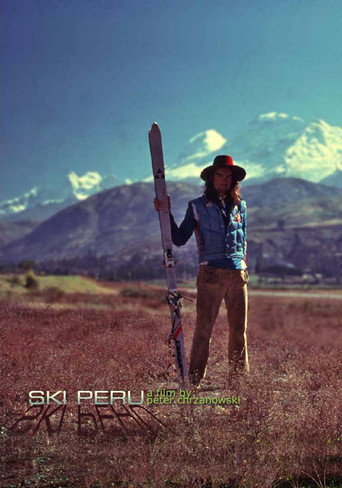
Ski Peru!
Ski Peru is the story of two skiers’ dream of descending the untamed slopes of Huascaran, although maybe 'Ski Peru and die' would be a more appropriate title given the tragic climax to Peter Chrzanowski’s Peruvian odyssey. Filmed long before today’s adrenaline charged ski videos on heavy 16mm movie cameras there is no heavy rock soundtrack, no helicopters, no roboskiers mainlining powder at Mach 5.0. It is a slow moving film that explores man’s relationship with the mountain and what it is to ski into the unknown.
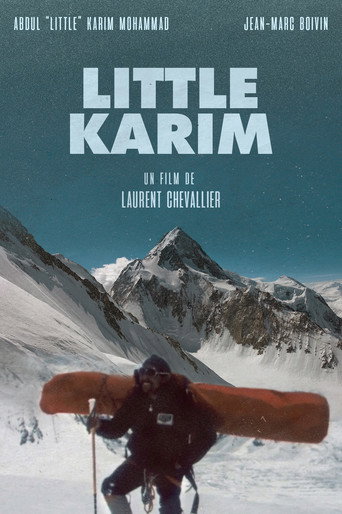
Little Karim
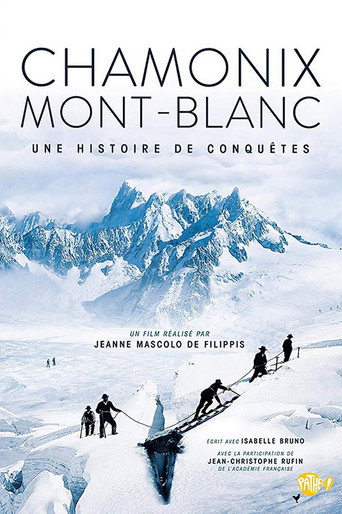
Chamonix - Mont Blanc, Une histoire de conquêtes
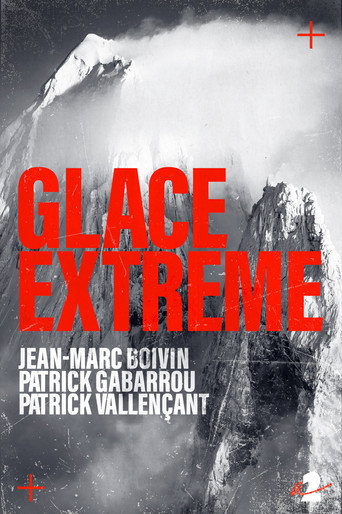
Extreme Ice
Directed by Jean-Marc Boivin in 1977, Glace Extrême is a documentary about mountaineering and extreme skiing at the Aiguille Verte and the Grand Pilier D'angle in the Mont-Blanc massif chain in France, with the legends of mountaineering Jean-Marc Boivin, Patrick Gabarrou and ski champion Patrick Vallencant. It was broadcast in the Carnet de L'Aventure on France 2 in 1980.
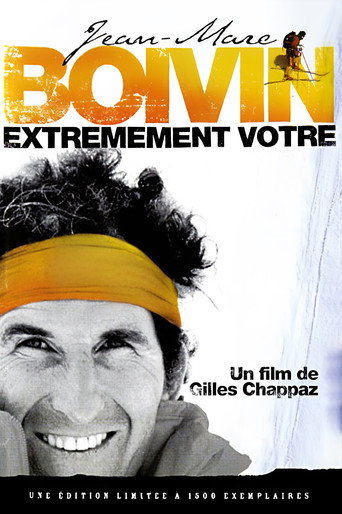
Jean-Marc Boivin, Extremely Yours
Jean-Marc Boivin had chosen the natural elements as his playground. In his quest for extremes and discoveries. By turns mountaineer, skier, hang-glider, explorer, paraglider, sailor, speleologist or base-jumper, he loved constantly exploring “terra incognita” and playing with the limits of the possible. His "career" - the word is so weak - Jean-Marc, one day, agreed to tell the strongest moments to his father who recorded everything: happiness, doubts, emotions and difficulties. In this film, which won the Human Adventure Prize at the Saint Hilaire du Touvet Free Flight Film Festival, it is Jean-Marc who himself “comments” on some of his most spectacular feats. Confronted with period documents, Jean-Marc's voice-over sheds new and moving light on the extraordinary personality of a man who once admitted "having lived all his dreams"...
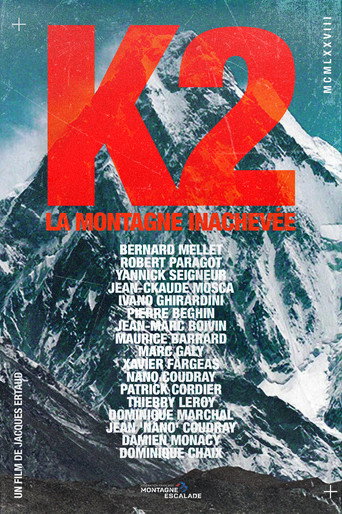
K2 La Montagne Inachevée
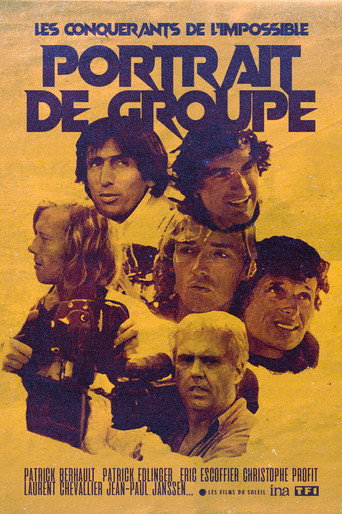
Les Conquérants de l'Impossible: Portrait de Groupe
“The Conquerors of the Impossible: Group Portrait” is a documentary on free climbing which takes place in the Verdon Gorges and Toulon. It was directed by Bernard Dumont in 1986 and produced by Les Films du Soleil. It is part of the series The Conquerors of the Impossible (3-3). There we find Patrick Berhault, Patrick Edlinger, Eric Escoffier, Christophe Profit, Laurent Chevallier, Jean-Paul Janssen and other pioneers of free climbing.
Patagonie Force 10
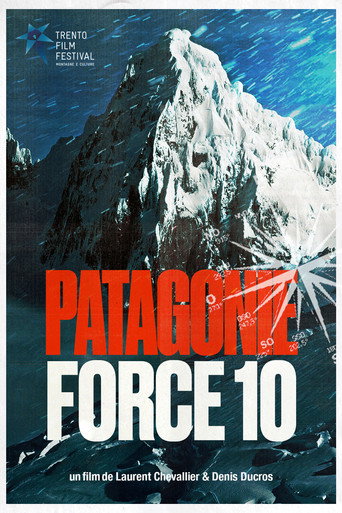
A team of 12 men, 5 sailors, a doctor, a writer, a film crew, and 3 mountaineers, Jean-Marc Boivin, Thierry Leroy, and Dominique Marchal, set off by sailboat from Mar del Plata in Argentina to reach Riso Patron in Chile, via the Strait of Magellan, the Patagonian Channels, and Falcon Fjord. Their goal is to climb Riso Patron and then make the first crossing of the Campo de Hielo Sur glacier, or Hielo Continental Patagónico, to meet up with the sailors in Puerto Williams on Navarino Island in Chile, a village at the end of the world. After three attempts and an accident for Leroy, who was repatriated, they gave up, crossed the glacier and rejoined the boat, to set off for Cape Horn to climb the South face, knowing that the weather was good one day a month... On January 20, 1983, Jean-Marc Boivin and Dominique Marchal succeeded in making the first ascent of the South face of Cape Horn.
Oisans - Ski de sixième degré
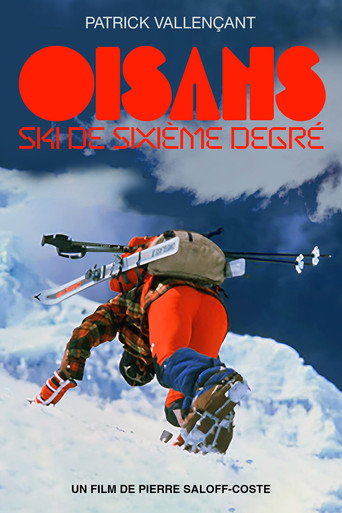
In 1975, Patrick Vallençant skied in some very challenging couloirs in the Oisans region: the north couloir of the Col du Diable, the north couloir of the Coup de Sabre, the couloir of the Pic sans Nom, the Barre Noire couloir in the Écrins massif, and the Gravelotte couloir on the Meije. He was accompanied by Jean-Marc Boivin, P. Guillet, P. Perrier, Gérard Pétrignet, Jacques Ramouillet, Pierre Saloff-Coste, and Joseph Spagnolo. In the second part of the trip, Vallençant completed a circuit of the Meije in three mixed-mountain ascents and, above the avalanche debris, skied off-piste through the steep couloirs and glaciers of the Oisans. He then climbed the routes to the summit of the Meije alone, following the stages of a high-mountain itinerary from the Refuge de l'Aigle.
Gallery