Jean-Louis Barrault Movies, TV Shows, and Filmography
Jean-Louis Barrault
Acting
Biography
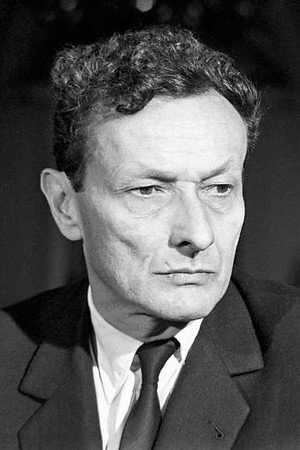
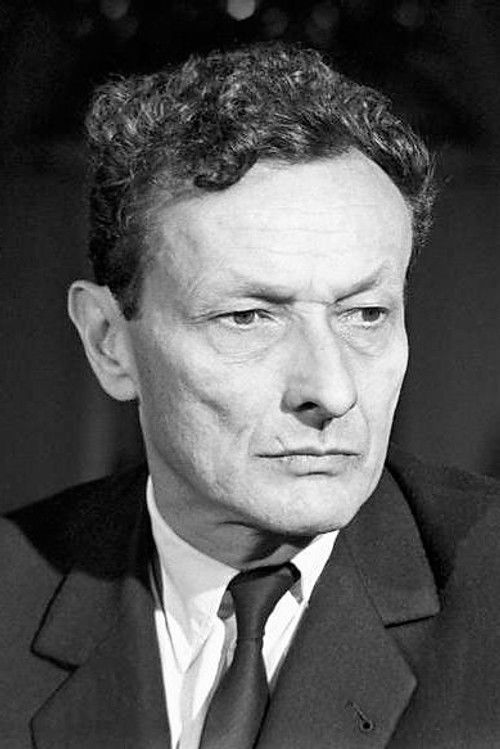
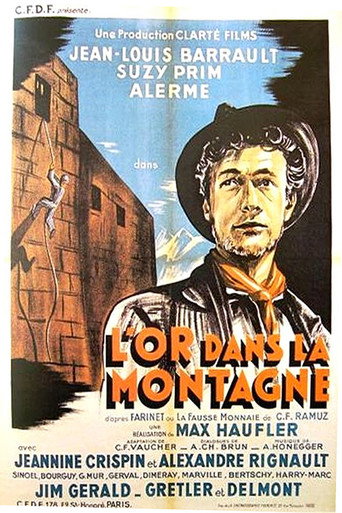
Jean-Louis Barrault (8 September 1910, Le Vésinet, Yvelines – 22 January 1994) was a French actor, director and mime artist, training that served him well when he portrayed the 19th-century mime Jean-Gaspard Deburau (Baptiste Debureau) in Marcel Carné's 1945 film Les Enfants du Paradis (Children of Paradise). Jean-Louis Barrault studied with Charles Dullin in whose troupe he acted from 1933 to 1935. At 25 years of age, he met and studied with the mime Étienne Decroux. From 1940 to 1946 he was a member of the Comédie-Française, where he directed productions of Paul Claudel's Le Soulier de satin and Jean Racine's Phèdre, two plays that made his reputation. Over his career, he acted in nearly 50 movies including Les beaux jours, Jenny, L'Or dans la Montagne and Sous les Yeux d'occident. In 1940, he married the actress Madeleine Renaud. They founded a number of theatres together and toured extensively, including in South America. He was the uncle of actress Marie-Christine Barrault and sometime sponsor of Peter Brook. He died from a heart attack in Paris at the age of 83. Jean-Louis Barrault is buried with his wife Madeleine Renaud in the Passy Cemetery in Paris. Jean-Louis Barrault, Reflections on the Theatre: "In fact it is the simplest things that are the most tricky to do well. To read, for example. To be able to read exactly what is written without omitting anything that is written and at the same time without adding anything of one's own. To be able to capture the exact context of the words one is reading. To be able to read!" Barrault from Melinda Camber Porter's Through Parisian Eyes: Reflections on Contemporary French Arts and Culture: "When I wake up in the morning I want to feel hungry for life. Desire is what drives me. When I go to sleep, I feel I have experienced a small death, so that I can wake up in the morning renewed and reborn." Description above from the Wikipedia article Jean-Louis Barrault, licensed under CC-BY-SA, full list of contributors on Wikipedia.
Filmography Movies
Acting
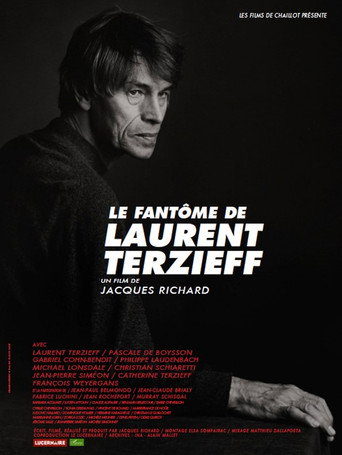
Le Fantôme de Laurent Terzieff
Laurent Terzieff was more than a good actor, after having been a real "star" in the cinema, through his professional choices, he gradually became a real "conscience of the theater", so much had he thought about his art. He received six Molière awards and was always unanimously praised by his peers. “THE GHOST OF LAURENT TERZIEFF” is a daring portrait, as it explores in depth “the secrets of a soul” and the atypical journey of the actor.
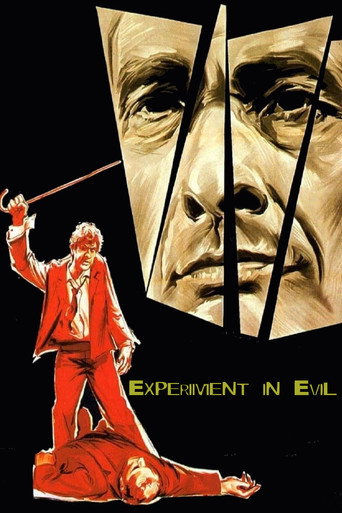
Experiment in Evil
Dr. Cordelier, living in a suburb of Paris, withdraws from society to pursue research into the functioning of the human brain. His lifelong friend, Maître Joly, becomes concerned when Cordelier draws up a will that bequeaths his entire estate to a stranger, Monsieur Opale; he cannot understand why Cordelier defends him, considering Opale attacks women and children. After a colleague is killed, Joly confronts Cordelier and discovers the truth behind his friend's behavior.
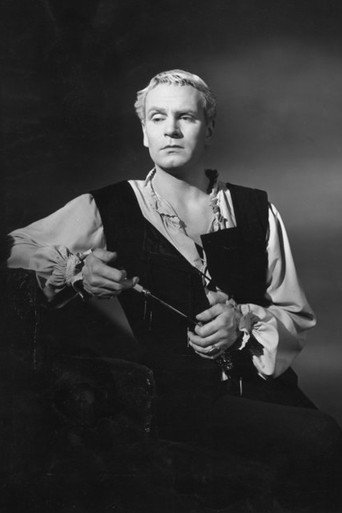
To Be Hamlet
Documentary examination of the role of Hamlet, in which ten prominent actors who have played the part discuss Hamlet's personality, Shakespeare's play, and the enduring popular fascination it has inspired. The actors interviewed are Laurence Olivier, John Gielgud, Richard Burton, Nicol Williamson, Ben Kingsley, Jean Louis Barrault, Vittorio Gassman, Maximilian Schell, Innocenti Smoktunovsky, and Mandy Patinkin. Includes excerpts from various film and television versions of Hamlet, featuring these actors and others.
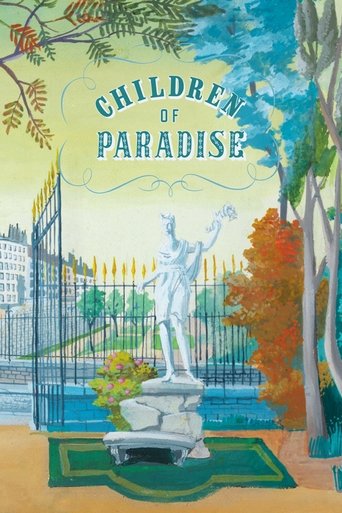
Children of Paradise
In a chaotic 19th-century Paris teeming with aristocrats, thieves, psychics, and courtesans, theater mime Baptiste is in love with the mysterious actress Garance. But Garance, in turn, is loved by three other men: pretentious actor Frederick, conniving thief Lacenaire, and Count Edouard of Montray.
The Longest Day
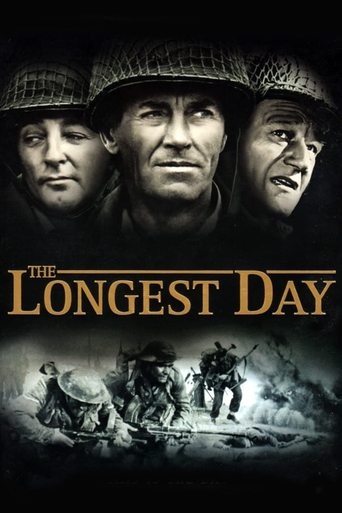
The retelling of June 6, 1944, from the perspectives of the Germans, US, British, Canadians, and the Free French. Marshall Erwin Rommel, touring the defenses being established as part of the Reich's Atlantic Wall, notes to his officers that when the Allied invasion comes they must be stopped on the beach. "For the Allies as well as the Germans, it will be the longest day"
Chappaqua
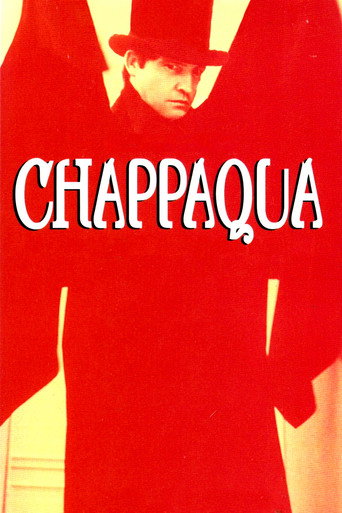
Semi-autobiographical story of Conrad Rooks, who travels to France to undergo a drug-withdrawal cure. Flashbacks to the beginings of psychedelia in San Fran. Though initially confusing, as Rooks blends drug-illusion with reality, and cuts color with black-and-white and monochrome tinted shots, "Chappaqua" is conventionally constructed with a beginning, middle, and end.
That Night of Varennes
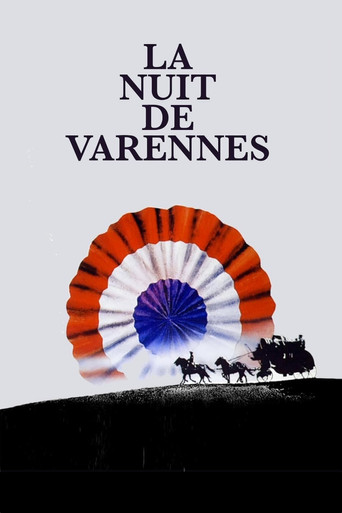
During the French Revolution, a surprising company shares a coach, trying to catch up something - the time itself, perhaps.
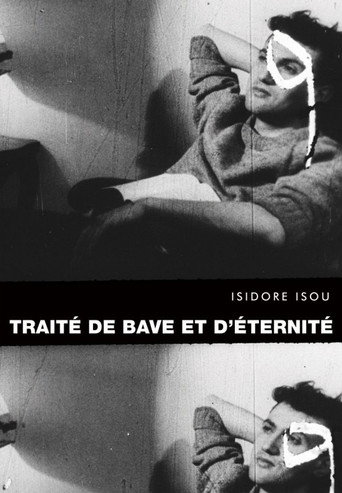
Venom and Eternity
In this experimental film, Isidore Isou, the leader of the lettrist movement, lashes out at conventional cinema and offers a revolutionary form of movie-making: through scratching and bleaching the film, through desynchronizing the soundtrack and the visual track, through deconstructing the story, he aims to renew the seventh art the same way he tried to revolutionize the literary world.
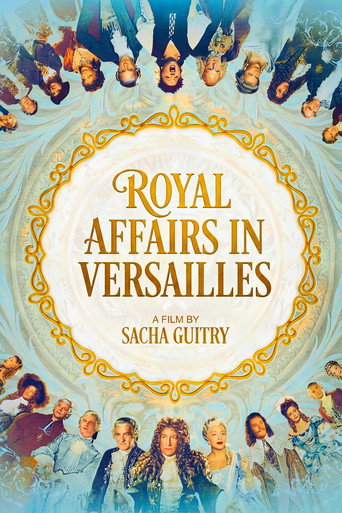
Royal Affairs in Versailles
Witty narration follows the history of Versailles Palace; founded by Louis XIII, enlarged by autocratic Louis XIV, whose personal affairs and amours, and those of his two successors, are followed in more detail to the start of the Revolution, after which the story is brought rapidly up to date. A huge cast plays mainly historical persons who appear briefly.
Gallery