Directing
No biography available.
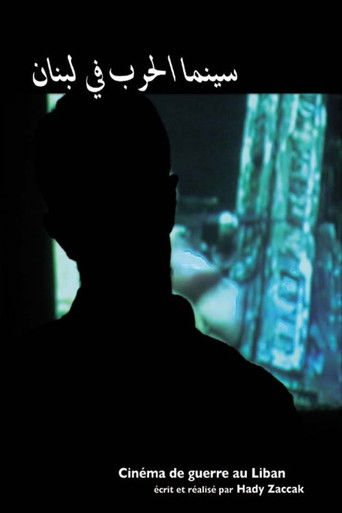
In 1975, the Lebanese wars started when Maroun Bagdadi ended his first feature film "Beirutya Beirut". Did the war give an identity to Lebanese cinema? Productions of documentaries, action movies, actor films, co-productions, and emigration. Since 1975, the war has remained a major subject for feature fiIms shot in Lebanon. This is a history of stories about war and cinema.
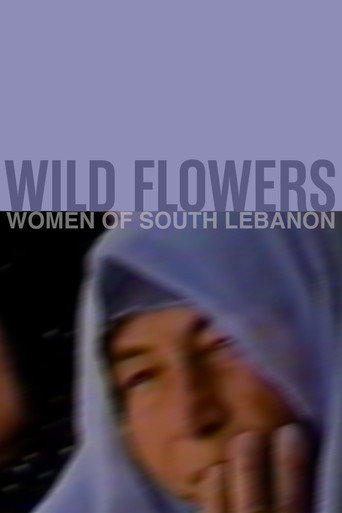
In this award-winning documentary, directors Masri and Chamoun focus on the women who played a crucial role in fighting the Israeli invasion of southern Lebanon. Preserving their stories on camera, Wild Flowers: Women of South Lebanon is a poignant documentary about courage, resistance, and hope.
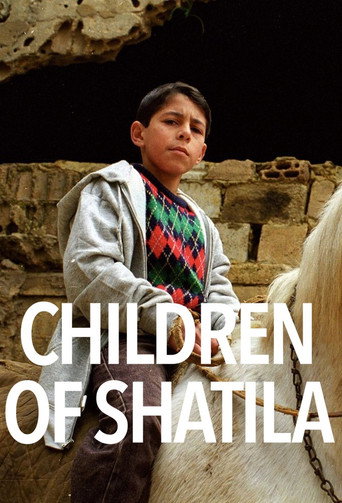
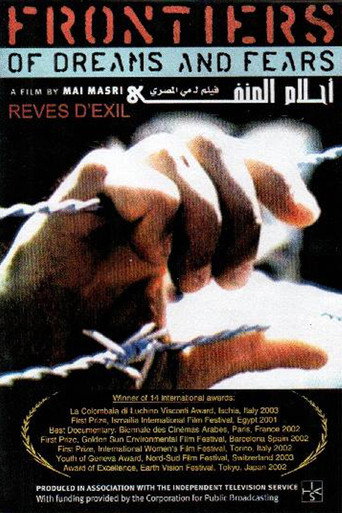
Many people first became aware of the Shatila refugee camp in Lebanon after the shocking and horrific Sabra-Shatila massacre that took place there in 1982. Located in Beirut's "belt of misery," the camp is home to 15,000 Palestinians and Lebanese who share a common experience of displacement, unemployment and poverty. Fifty years after the exile of their grandparents from Palestine, the children of Shatila attempt to come to terms with the reality of being refugees in a camp that has survived massacre, siege and starvation. Director Mai Masri focuses on two Palestinian children in the camp: Farah, age 11 and Issa, age 12. When these children are given video cameras, the story of the camp evolves from their personal narratives as they articulate the feelings and hopes of their generation.
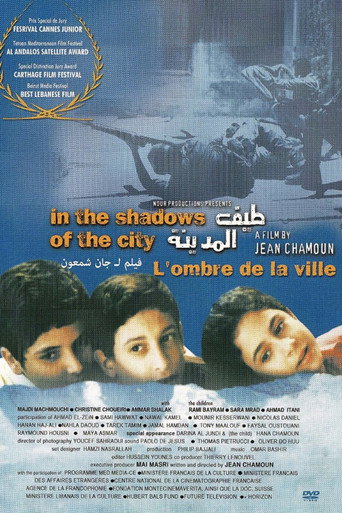
To escape the civil war between Christians and Muslims, a Lebanese family moves from the countryside to Beirut, only to find themselves caught in an equally dangerous situation
Under the Rubble is the filmmakers’ harrowing attempt to tell the real story behind the 1982 Israeli invasion of Lebanon as it took place in Beirut—a traumatizing experience for the city and its people. This moving and informative documentary won the Special Jury Award at the Valencia Film Festival.
This heartfelt documentary from award-winning filmmaker Mai Masri explores the enduring friendship that evolves between two Palestinian girls—Mona, who was born and raised in the economically marginalized Shatila refugee camp in Beirut, and Manar, who lives in the Dheisha refugee camp under Israeli control. The two girls begin their friendship as penpals, sharing the similarities and differences of life in the two refugee camps. Mona and Manar are finally able to meet face-to-face at the Lebanese-Israeli border during Israel's withdrawal from South Lebanon. But when the second intifada suddenly erupts around them shortly thereafter, both girls must face heart-breaking changes in their lives.
After her husband was kidnapped in 1982 during the civil war in Lebanon, Wada Hilwani gathered together the families of the kidnap victims and formed the Committee for the Families of the Kidnapped and Missing. Decades after the end of the war, these families continue their painful search for the truth about their loved ones, and for justice against war crimes.
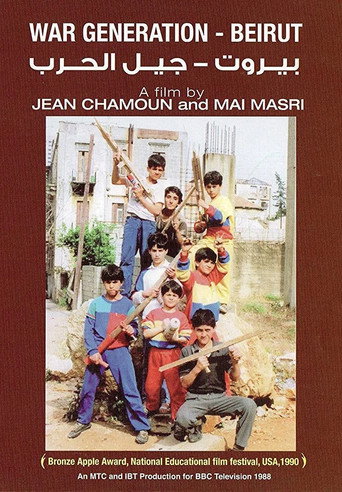
War Generation - Beirut explores the lives, dreams and fears of three generations of young people living in the heart of the civil war in Lebanon. This seminal work from Jean Chamoun and Mai Masri remains one of the most powerful anti-war documents of the period.
When Leila, a young doctor, returns to her village in south Lebanon, she finds it badly damaged after the 1993 Israeli attack. Israeli bombing during this episode razed 50 villages and left half a million civilians homeless, causing a flood of refugees into Beirut. Many of those who fled south Lebanon have not returned, choosing instead to live a scavenging existence in bombed-out buildings in the capital, where they’re out of range of the Israeli-occupied “security zone” in the south. Through Leila’s relationship with her family and the women and children of the surrounding villages, we get to know the hopes and dreams of the people who have remained in south Lebanon as they work to rebuild their homes and their lives.