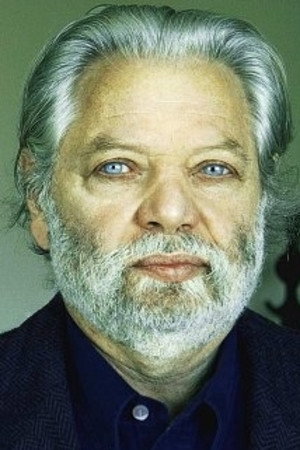
Jean-Jacques Lebel Movies, TV Shows, and Filmography
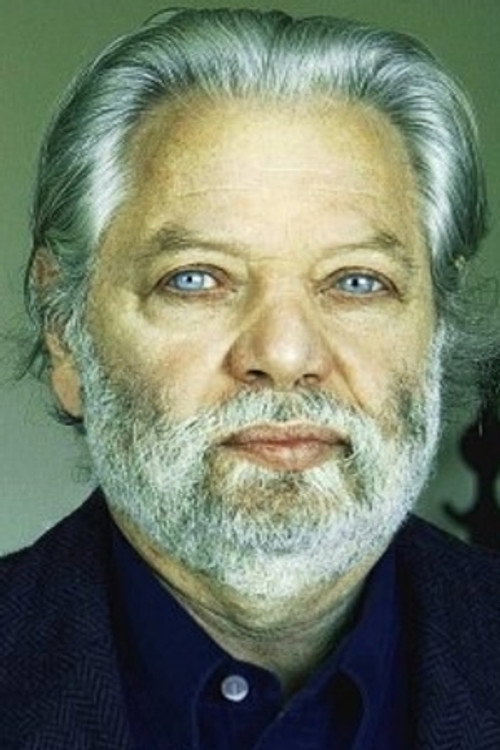
Jean-Jacques Lebel
Writing
Biography
Jean-Jacques Lebel is a French director, producer, actor, artist, poet, poetry publisher, political activist and scholar.
Filmography Movies
Acting
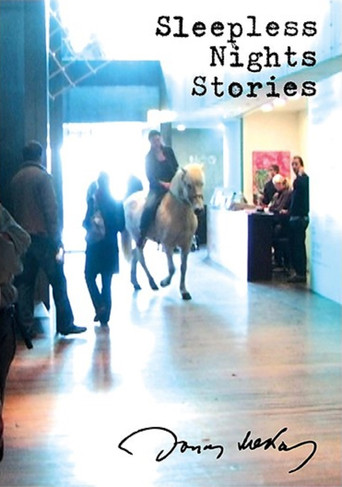
Sleepless Nights Stories
Unable to sleep, Jonas Mekas drifts through New York nights, moving between apartments, studios, galleries, bars, and clubs. Along the way he encounters friends and fellow artists—including Ken and Flo Jacobs and Yoko Ono—capturing an intimate mosaic of nocturnal encounters, reflections, and moments of community.
Notes for Jerome
During the summer of 1966 Jonas Mekas spent two months in Cassis, as a guest of Jerome Hill. Mekas visited him briefly again in 1967, with P. Adams Sitney. The footage of this film comes from those two visits. Later, after Jerome died, Mekas visited his Cassis home in 1974. Footage of that visit constitutes the epilogue of the film. Other people appear in the film, all friends of Jerome.
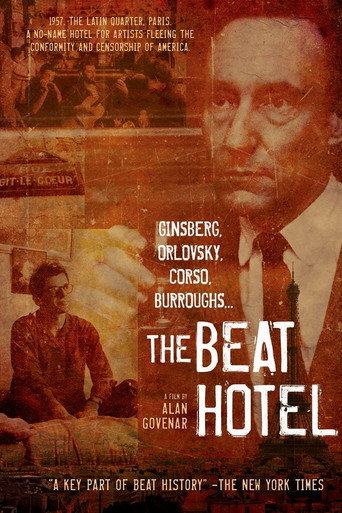
The Beat Hotel
The Beat Hotel, a new film by Alan Govenar, goes deep into the legacy of the American Beats in Paris during the heady years between 1957 and 1963, when Allen Ginsberg, Peter Orlovsky and Gregory Corso fled the obscenity trials in the United States surrounding the publication of Ginsberg’s poem Howl. They took refuge in a cheap no-name hotel they had heard about at 9, Rue Git le Coeur and were soon joined by William Burroughs, Ian Somerville, Brion Gysin, and others from England and elsewhere in Europe, seeking out the “freedom” that the Latin Quarter of Paris might provide.
365 Day Project
This exhibition focuses on Jonas Mekas’ 365 Day Project, a succession of films and videos in calendar form. Every day as of January 1st, 2007 and for an entire year, as indicated in the title, a large public (the artist's friends, as well as unknowns) were invited to view a diary of short films of various lengths (from one to twenty minutes) on the Internet. A movie was posted each day, adding to the previously posted pieces, resulting altogether in nearly thirty-eight hours of moving images.
Chromo sud
One of the very few films made by Etienne O'Leary, all of which emerged from the French underground circa 1968 and can be very loosely designated 'diary films.' Like the contemporaneous films by O'Leary's more famous friend Pierre Clementi, they trippily document the drug-drenched hedonism of that era's dandies. O'Leary worked with an intoxicating style that foregrounded rapid and even subliminal cutting, dense layering of superimposed images and a spontaneous notebook type shooting style. Yet even if much of O'Leary's material was initially 'diaristic,' depicting the friends, lovers, and places that he encountered in his private life, the metamorphoses it underwent during editing transformed it into a series of ambiguously fictionalized, sometimes darkly sexual fantasias. - Experimental Film Club
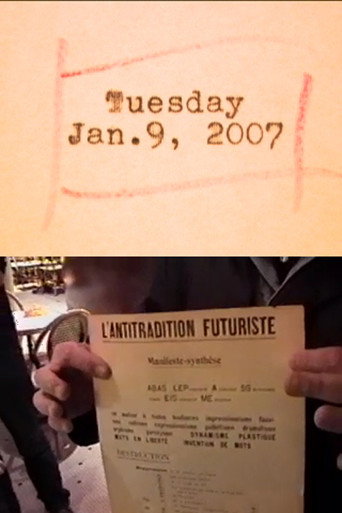
Tuesday Jan. 9, 2007
The film documents an encounter at 202 Blvd Saint-Germain, in a cafe underneath Apollinaire's last place of residence. Jean-Jacques Lebel gives Jonas Mekas (who remains off screen), three objects associated with Apollinare: an autographed book, a Futurist manifesto, and one of Apollinaire's last drawings.
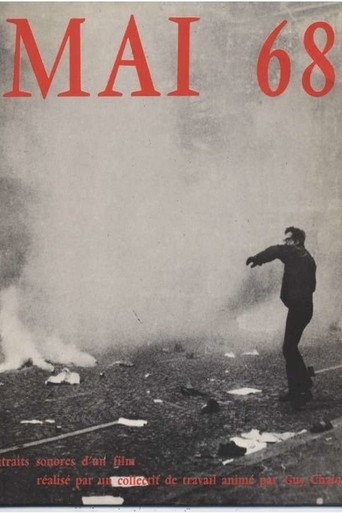
La société est une fleur carnivore
"Society is a carnivorous flower" - About activists in the student revolt in May 1968. Archive footage shows police entering the Sorbonne, street fighting, meetings and demonstrations. Many interviewees testify to police violence and abuses.
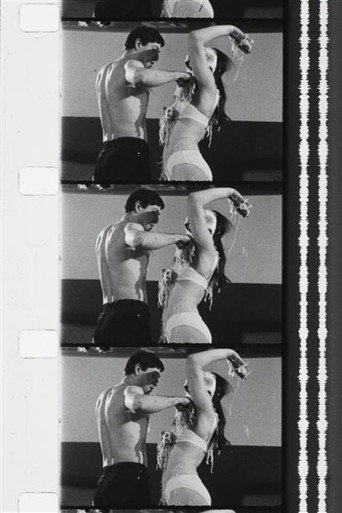
He! Viva Dada
Report from the second free expression festival organized at the American Cultural Center, Boulevard Raspail, in May 1965. The shows, all happenings inspired by ""théâtre panique/ the panic theater", includes Fernando Arrabal, Roland Topor and Alejandro Jodorowsky.
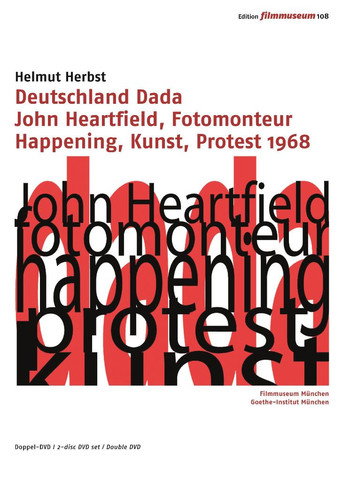
Happening, Kunst, Protest 1968
An essayistic documentary about the action art movement that emerged in the 1960s: In interviews with various action artists, including Wolf Vostell, Joseph Beuys and Allan Kaprow, director Helmut Herbst illuminates the performative and participatory tendencies in art that began in the 1960s and outlines the diversity of motives and strategies.
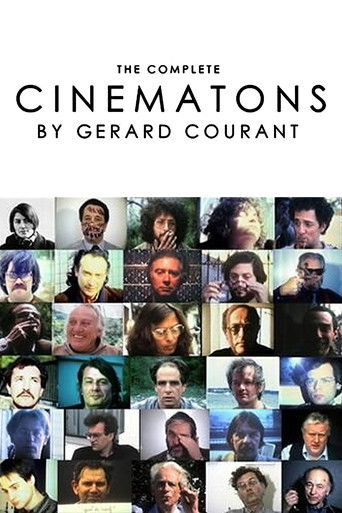
Cinématon
Cinématon is a 156-hour long experimental film by French director Gérard Courant. It was the longest film ever released until 2011. Composed over 36 years from 1978 until 2006, it consists of a series of over 2,821 silent vignettes (cinématons), each 3 minutes and 25 seconds long, of various celebrities, artists, journalists and friends of the director, each doing whatever they want for the allotted time. Subjects of the film include directors Barbet Schroeder, Nagisa Oshima, Volker Schlöndorff, Ken Loach, Benjamin Cuq, Youssef Chahine, Wim Wenders, Joseph Losey, Jean-Luc Godard, Samuel Fuller and Terry Gilliam, chess grandmaster Joël Lautier, and actors Roberto Benigni, Stéphane Audran, Julie Delpy and Lesley Chatterley. Gilliam is featured eating a 100-franc note, while Fuller smokes a cigar. Courant's favourite subject was a 7-month-old baby. The film was screened in its then-entirety in Avignon in November 2009 and was screened in Redondo Beach, CA on April 9, 2010.
Production
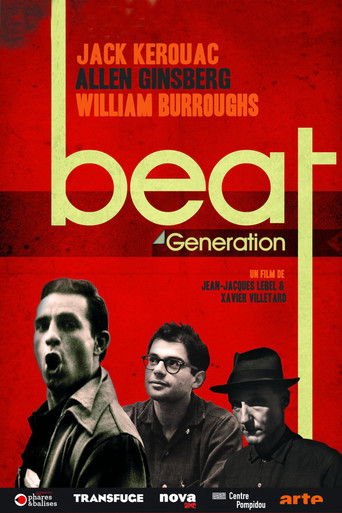
Beat Generation
Tells the story of the wonderful and long-lasting friendship between Jack Kerouac, Allen Ginsberg and William Burroughs that gave birth to the Beat Generation movement.
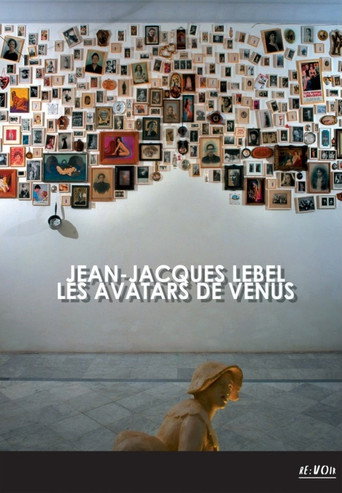
Les Avatars de Vénus
The process leading to the making of the film-installation Les Avatars de Vénus goes back thirty years to the thousands of images I began picking up - from news stands, bookshops, libraries, museums, flea markets as I travelled around the world, drawing, photographing, analyzing, filming and remembering what I saw. Finally, I collected a giant image–bank of different incarnations of Venus spreading across time and space, coming from all continents, all civilizations, all epochs, respecting the logic of each one of them, regardless of the arbitrary ideological hierarchy established by academicians between High Art and Low Art. I chose to mix art history and popular imagery, Renaissance iconography and commercial advertisements, religious propaganda and common pornographic icons, movie stars and classical as well as non-occidental sculpture, all fetishes being complementary.
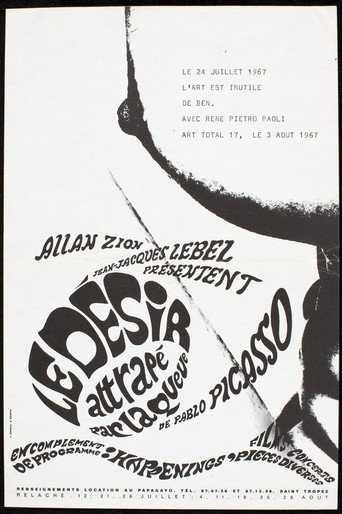
Le Désir attrapé par la queue
"Desire Caught by the Tail" - Described as surrealistic, absurd, and weird. The narrative is nonlinear and the meaning nearly impossible to decipher, the work has been praised despite, and sometimes for, its lack of message.
L'état normal
Collage of happenings and realities of the French counterculture, including ritual feasts during which beings emerge from behind the walls and find their normal state. The film is against all moral, aesthetic and political "values" of industrial society. —Jean-Jacques Lebel
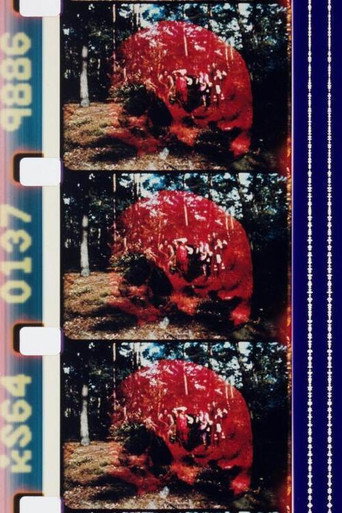
Sun Love
A Happening in homage to LSD.
Gallery