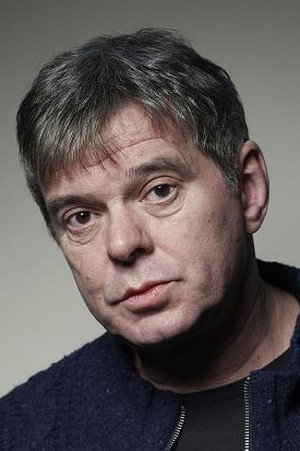
Jean-Jacques Burnel Movies, TV Shows, and Filmography
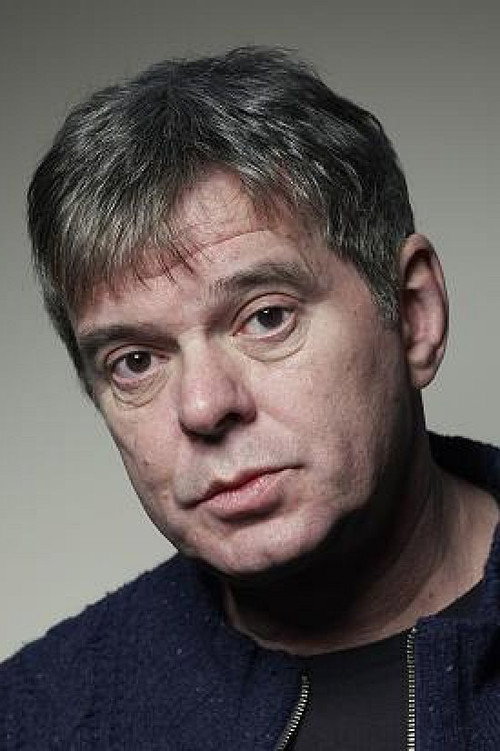
Jean-Jacques Burnel
Acting
Biography
Jean-Jacques Burnel (born 21 February 1952) is an English musician, producer and songwriter, best known as the bass guitarist and co-lead vocalist with the English rock band The Stranglers. He is the last founding member to remain in the band. Jean-Jacques Burnel was born in Notting Hill, London, to French parents. His family owned a restaurant where his father worked as a chef. As a child, as the son of French immigrants, he was often the victim of mockery from his schoolmates, which later led him to call himself John to disguise his French origins. This early encounter with xenophobia would also have an impact on his explosive temper in life and on stage as well as on the way he plays. He moved with his parents to Godalming, Surrey, when he was 12 years old and attended the Royal Grammar School, Guildford, subsequently reading history at the University of Bradford and Huddersfield Polytechnic. Burnel originally trained as a classical guitarist, but adopted the bass guitar as his instrument within The Stranglers. He has provided lead vocals on nearly a third of the band's songs, though Burnel later explained he often sang lyrics written by Hugh Cornwell (or vice versa) depending on "who had the best voice for that particular song." Burnel has been a member of the Stranglers since the group's inception in 1974, but has also made two solo albums: Euroman Cometh in 1979, and Un Jour Parfait in 1988, as well as a collaborative album with fellow Stranglers member Dave Greenfield, Fire and Water (Ecoutez Vos Murs) in 1983. Burnel has also produced and appeared as a guest musician for a number of artists, such as Lizard and ARB from Japan, Polyphonic Size (from Belgium) and Taxi Girl's album Seppuku in 1981, as well as Laurent Sinclair's "Devant le Miroir" maxi single. Burnel also formed a rhythm and blues covers band, the Purple Helmets, who played a number of concerts and released two albums in the late 1980s. As a holder of French citizenship, Burnel received his call-up papers for national service in France. He succeeded in avoiding it with a novel defence, arguing that his absence would indirectly damage the Stranglers as a band, and therefore the careers of the other members. This was in accordance with Burnel's claim that only the "bourgeois" would ever agree to serve their country's military. Burnel composed and performed music for the anime Gankutsuou: The Count of Monte Cristo, including both the opening and ending themes, "We Were Lovers", and "You Won't See Me Coming" respectively. Burnel is fluent in French and writes many of his songs in the language. Burnel is noted for his distinctive bass guitar sound and melodic bass lines. These are particularly prominent on earlier Stranglers recordings produced by Martin Rushent, such as the hit singles "No More Heroes" and "Peaches". In the early days, Burnel's distinctive aggressive sound was created using a Fender Precision Bass with RotoSound roundwound strings played with a plectrum very close to the bridge, through Hiwatt all-valve amplification. However, the defining factor was the use of a Marshall 4x12 speaker cabinet in which the speaker cones were ripped, creating a distorted sound. ... Source: Article "Jean-Jacques Burnel" from Wikipedia in English, licensed under CC-BY-SA 3.0.
Filmography Movies
Acting
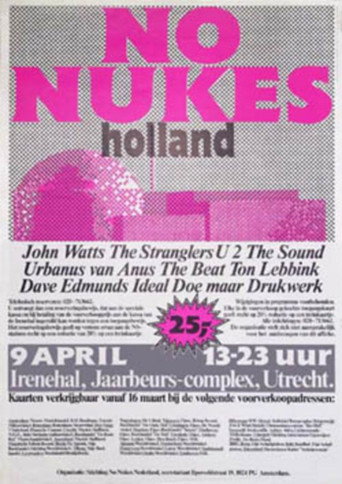
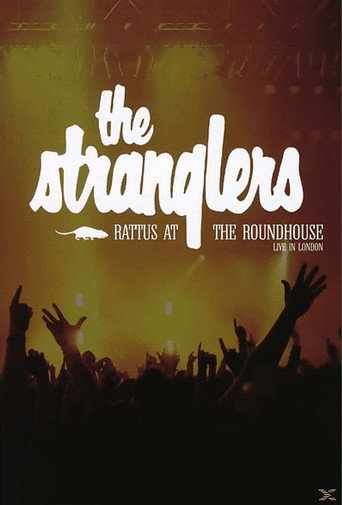
The Stranglers - Rattus at the Roundhouse
On 4th November 2007, thirty years to the exact day since their last visit, The Stranglers made a triumphant return to The Roundhouse in London. To commemorate this anniversary, the set list was based on the original 'Heroes' Tour of 1977, showcasing material from their debut album Rattus Norvegicus and it's follow up No More Heroes. Featuring the classic four-piece format, with bassist Jean-Jacques Burnel sharing lead vocals with guitarist Baz Warne, the distinctive keyboard sounds of Dave Greenfield and the awesome percussion skills of Jet Black.
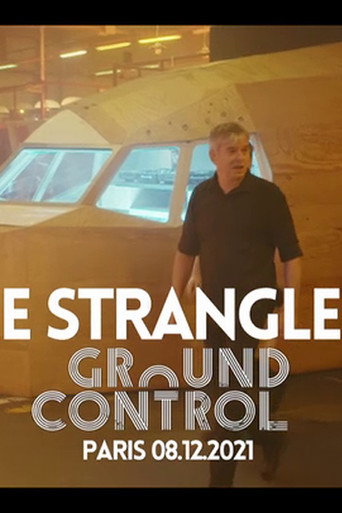
The Stranglers - Ground Control
Punk is not dead! Anyone who doesn't believe that punk is still alive and kicking in our times should check out the Stranglers' performance at Ground Control. The band released their 18th studio album Dark Matters in 2022. Dark Matters - an ode to darkness? The work was partly written with keyboardist Dave Greenfield, who died of Covid-19 in 2020. But even though it deals with themes such as grief, old age and politics, there is no need to fear gloomy music - on the contrary! The record captivates with the synth sounds and arpeggios typical of the Stranglers, which contributed to the success of their 1981 hit "Golden Brown" from the album La Folie. Their punk attitude is also still present. It is characteristic of the formation, which has been active from its beginnings in London pubs in 1974 to the current line-up with Jean-Jacques Burnel, Baz Warne and Jim Macauley.
"The Journey", or The Memoirs of a Self-Confessed Surrealist
George Melly explores his lifelong relationship with surrealism in all its forms and prominent personalities.
The Stranglers - The Video Collection 1977-1982
A compilation of promos from The Stranglers, chronicling the five year period in which their sleazy pub rock launched them to worldwide success, culminating in their biggest hit 'Golden Brown'.
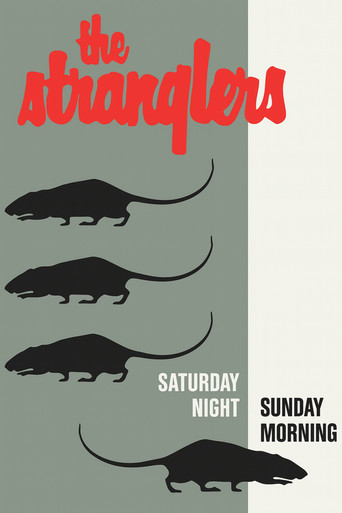
The Stranglers: Live at Alexandra Palace
On 11th August 1990, what began as just another Stranglers gig at Alexandra Palace became their final performance with founding member and frontman Hugh Cornwell. Fortunately, the night was captured on film, preserving a piece of music history for fans to experience again and again.
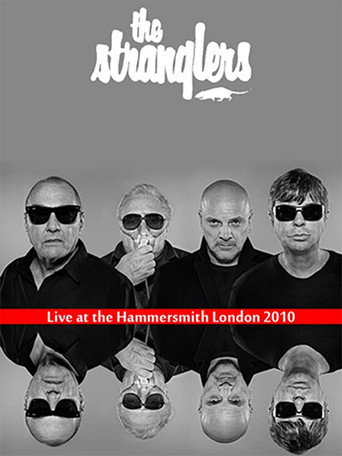
The Stranglers - Live at The Apollo
The Stranglers live at the Apollo 19th March 2010
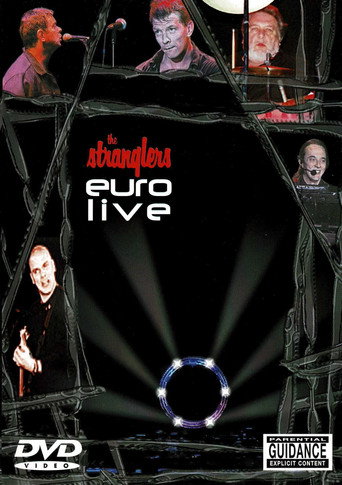
The Stranglers: Euro Live
Euro Live is a live DVD recording by The Stranglers of a concert in Poland from 2000, one of the first concerts with new guitarist, Baz Warne. The DVD also features a band history, Discography and The Stranglers' Kosovo Home Movie
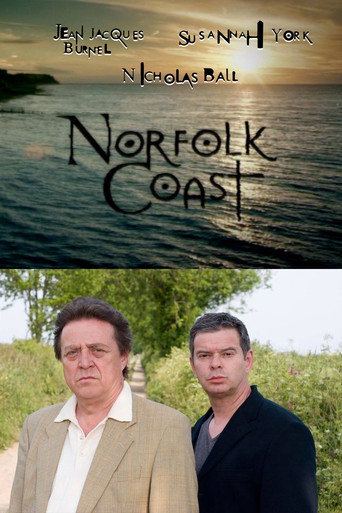
Norfolk Coast
Norfolk Coast is inspired by the album of the same name by The Stranglers. It stars Jean-Jacques Burnel as Warner a man haunted by a troubled past, with Nicholas Ball portraying his father and Susannah York in her final feature performance. The film presents a stark, everyday tale of satanic ritual abuse and its lasting impact on all those affected.
Production
Sucker Punch
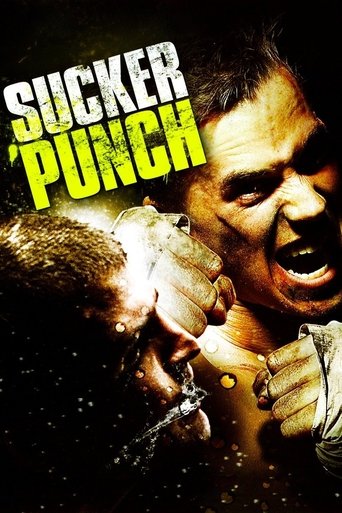
Ray 'Harley' Davidson is a hustler. With flash clothes and a fast mouth, Harley lives life in the fast lane. With his passion for all things gambling, money runs like water through Harley's hands and as quickly as he makes a killing he takes a beating, normally at the poker table. Nominally an illegal prize-fight manager, Harley hasn't produced a live one in months, until Charles Buchinsky literally wanders into his life. Charles Buchinsky, street fighter extraordinaire. He's from out of town looking for a fight and the chance to tie up a few loose ends. Keeps himself to himself, lets his fists do the talking and his word is his bond. Victor Maitland, top illegal fight promoter and porn baron. Hates losing and loves the prestige of managing the best hitter in town. Harley dreams of bringing Maitland down and after seeing Buchinsky at work, engineers a fragile partnership. The duo soon becomes a hot ticket...
Ecoutez vos murs
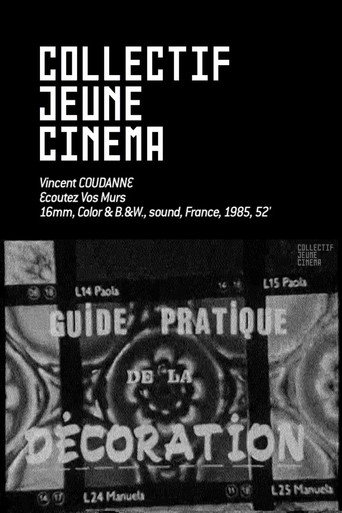
It is the poetic chronicle of a city: Paris. A city critique, but a good natured one (the declaration of intention is bloody : Cities are illegal slaughterhouses). The experimental reality of everyday life is explored with insight and humour through improbable dialogues between pigeons, statues, and even a tap and a washbowl! There is on the one hand, the individual at home, grappling with its walls (which are fully fledged characters in this film) and on the other hand, we see the outside world composed of the rhythms and colours of daily urban activities. A mixture of special effects, animation, features reworked into montage, and realism consolidates the fantastic, bizarre and ironic style of the film. M. Mazé
Gallery