Jean-Daniel Pollet Movies, TV Shows, and Filmography
Jean-Daniel Pollet
Directing
Biography
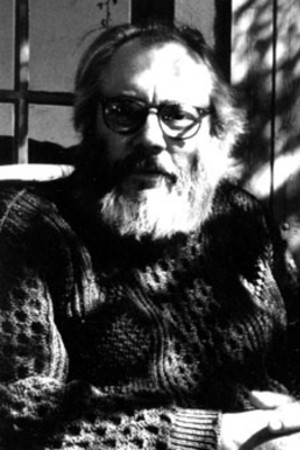
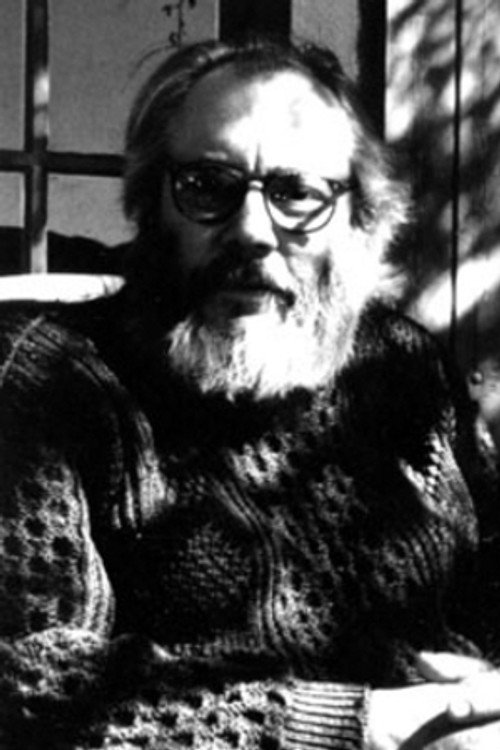
Jean-Daniel Pollet (1936–2004) was a French film director and screenwriter who was most active in the 1960s and 1970s. He was associated with two approaches to filmmaking: comedies which blended burlesque and melancholic elements, and poetic films based on texts by writers such as the French poet Francis Ponge.
Filmography Movies
Acting
La Nouvelle Vague par elle-même
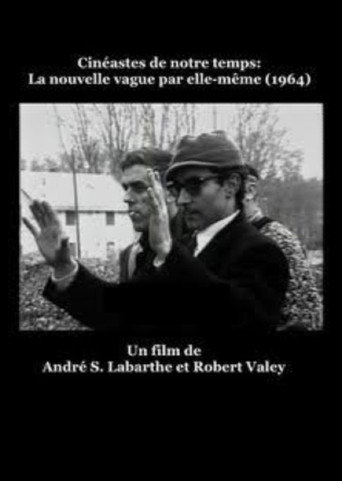
Made for Cinéastes de notre temps series. In 1964, several French New Wave auteurs discuss the success and crisis of the wave. Featuring Claude Chabrol, François Truffaut, Jacques Rivette, Jean-Luc Godard, Jacques Rozier, Jacques Demy, Agnès Varda, Jean Rouch, and many others.
Three Days in Greece
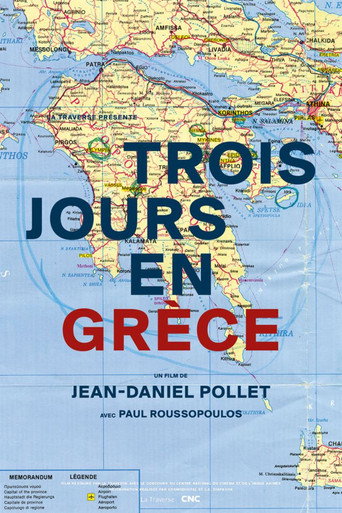
From Provence to Greece, a journey on the mortal remains and ruins of ancient civilizations.
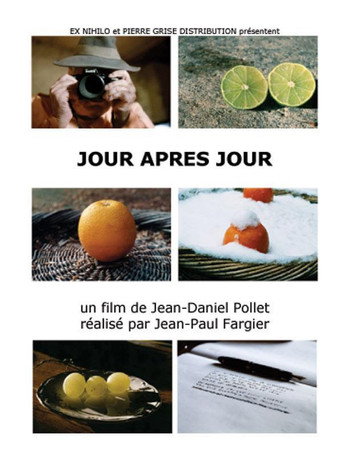
Day After Day
He inhabits the world just like he inhabits his house: motionless. A serious accident nailed him there: in a house in the middle of a large garden. No longer can he dash around the world: day after day, he contemplates it from his house. He’s a filmmaker. He’s only ever lived to make movies.
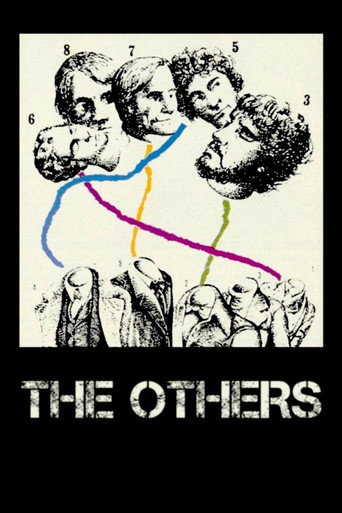
The Others
Spinoza, attempting to discover why his son committed suicide, meets his girlfriend and his rival for her affections.
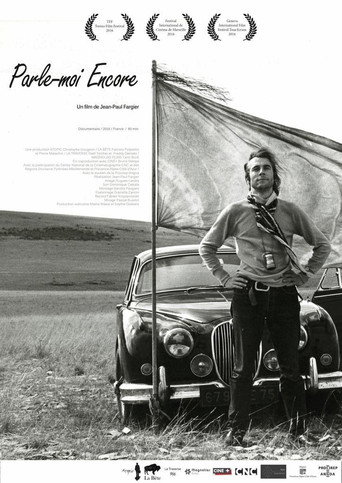
Parle-moi encore
For the "Cinéma, de notre temps" collection, Jean-Paul Fargier sends his friend filmmaker Jean-Daniel Pollet a letter written to the second person.
Production
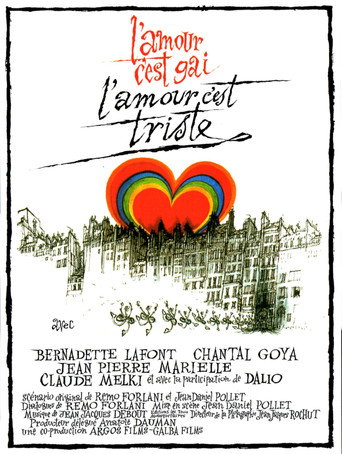
Love Is Gay, Love Is Sad
In a cul-de-sac in the Faubourg-Saint-Antoine, Leon shares two rooms with his sister Marie. In one, he receives his clients: he is a tailor. In the other, Marie receives her own: she is a clairvoyant. Leon was happy until he learned what Marie was hiding from him. She is actually a prostitute, and Maxime, her supposed fiancé, is her pimp. On the same day, Leon also discovers love in the form of Arlette, a provincial young woman picked up by Marie.
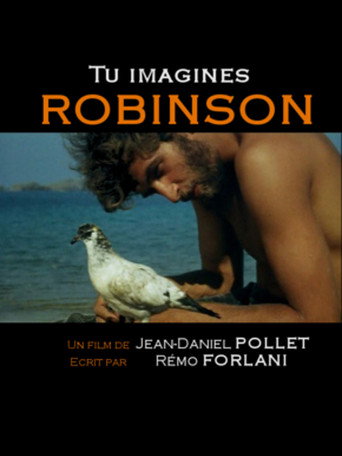
Imagine Robinson Crusoe
A cinematographic poem in the form of variations around the theme of Robinson, a utopian fable freely inspired by Daniel Defoe's novel, which speaks above all of solitude: the immense weakness of today's man in the face of loneliness is no longer that of the hero of the eighteenth century.
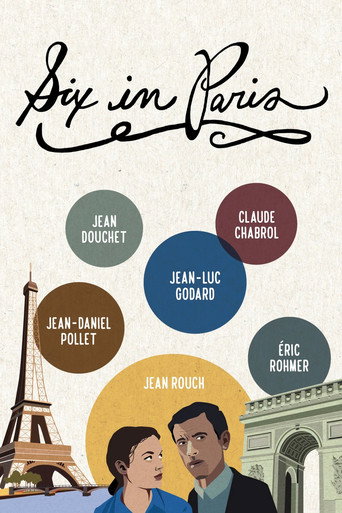
Six in Paris
Six vignettes set in different sections of Paris, by six directors. St. Germain des Pres (Douchet), Gare du Nord (Rouch), Rue St. Denis (Pollet), and Montparnasse et Levallois (Godard) are stories of love, flirtation and prostitution; Place d'Etoile (Rohmer) concerns a haberdasher and his umbrella; and La Muette (Chabrol), a bourgeois family and earplugs.
Méditerranée
[Here] Pollet made a work that is the very definition of what French critics like to call an ovni or ufo (as in ‘unidentified filmic object’). [It] has been described as being ‘like a comet in the sky of French cinema,’ an ‘unknown masterpiece,’ and an ‘unprecedented’ work that refuses interpretation even as it has provoked reams of critical writing. Its rhythmic collage of images – a girl on a gurney, a fisherman, Greek ruins, a Sicilian garden, a Spanish corrida – is accompanied by an abstract commentary written by Sollers, and only the somber lyricism of Antoine Duhamel’s score holds the film’s elements together. At first viewing, you fear that [it] might fly apart into incoherent fragments. Instead, over the course of its 45 minutes it invents its own rules, and you realize you’re watching something like the filmic channeling of an ancient ritual.
The Horla
A man who lives by himself becomes increasingly concerned that he is not alone. Based on the short story by Guy de Maupassant.
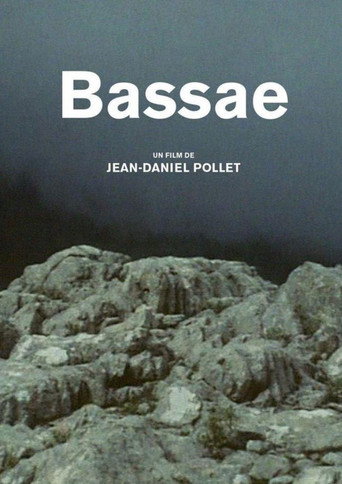
Bassae
"I was interested by the fact that some old guy, after the Parthenon’s glamour, devoted himself in a much smaller temple, where there was no white marble, no nothing. All Greek temples are dedicated to Apollo etc, and this particular one was not dedicated to anyone and is in a place where there never was a city nearby, in a kind of wasteland, in a ditch. But, just by going up a bit –you are in the centre of Peloponissos- on a clear day, you can see the sea on both your left and right. I went back there, at least six, seven or eight times, as if I wanted to think or find myself. So, at the temple in Bassae, I made a short 10 minute film and I was lucky enough to encounter two days of clouds and mist between the columns."
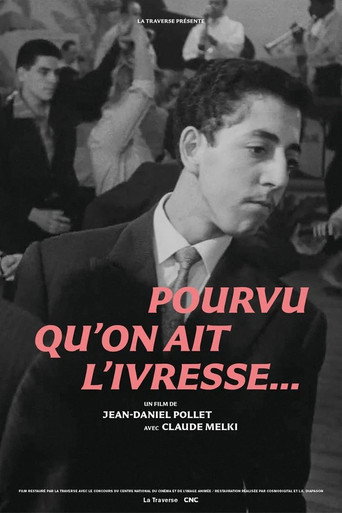
As Long as You Get Drunk...
A study of loneliness set in a dance hall of suburban Paris.
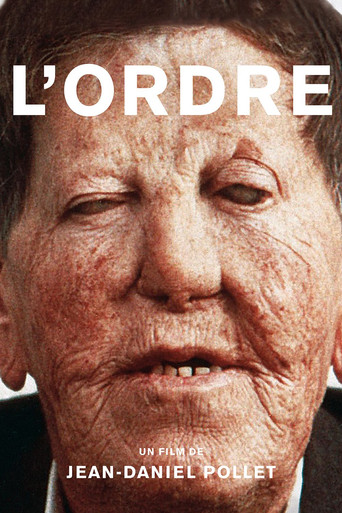
The Order
Pollet provides an insight into life on the leper colony of Spinalonga, an island off Crete, through the eyes of Raimondakis, who tells the story of his life to the camera after having been excluded from his community to spend years of his life on the island with his fellow sufferers. Themes addressed include love, community, companionship and death and the importance of these values to all people whatever their state of health.
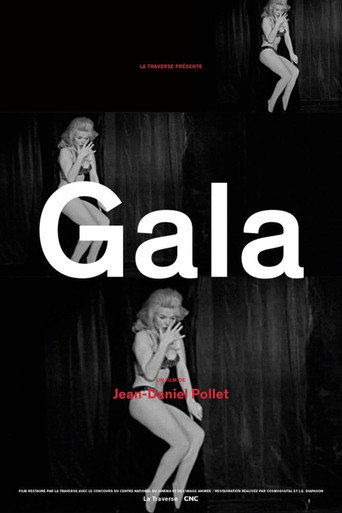
Gala
A more polished version of Pourvu, set in a black cha-cha nightclub. Relying more upon looks, faces, and unease, rather than gags or dialogue, Pollet sets the cool elegance of the club's manager against the decidedly uncool Melki and his sartorial inadequacies.
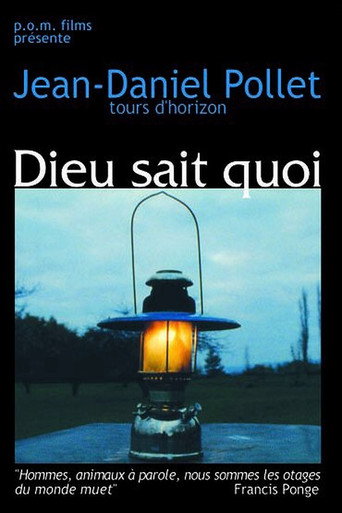
Dieu sait quoi
A homage to journalist Francis Ponge in a film that its author regarded as “natural.”
Gallery