Jean-Claude Mosca Movies, TV Shows, and Filmography
Jean-Claude Mosca
Acting
Biography
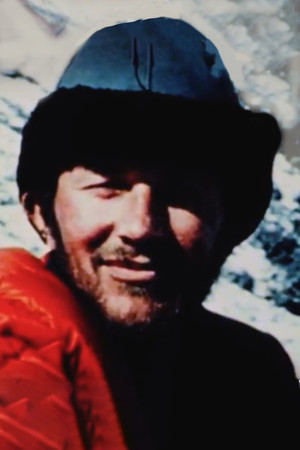
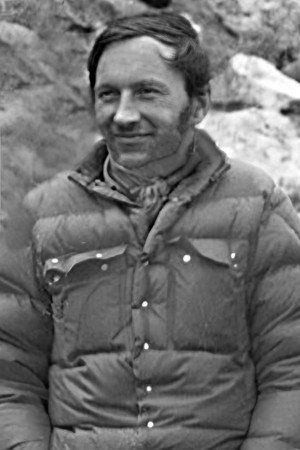
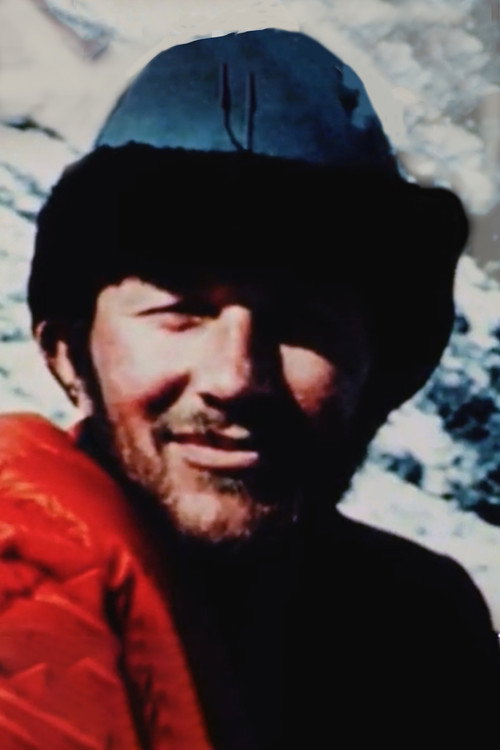
Jean-Claude Mosca is a French mountaineer renowned for his numerous ascents and his commitment to the mountain world. Born in Nice, he discovered his passion for mountaineering at an early age in the Alpes-Maritimes, the region where he grew up. He quickly distinguished himself with his audacity and taste for adventure, distinguishing himself in challenging climbs and opening new routes, particularly in the Mercantour massif. Throughout the 1970s and 1980s, Jean-Claude Mosca became a key figure in mountaineering on the Côte d'Azur. He participated in numerous expeditions, both in the Alps and in other prestigious massifs, particularly in the Himalayas, and was also involved in training young climbers. His commitment to transmitting the values of the mountains led him to become a mountain guide, a profession he pursues with passion, sharing his experience and knowledge of the terrain with his clients and peers. Alongside his career as a mountaineer and guide, Jean-Claude Mosca contributes to the promotion of mountain heritage through publications and conferences. He is the author of several books and guidebooks that are a reference for climbing and hiking enthusiasts in the south-east of France. A distinguished instructor at the EMHM in Chamonix, he has trained generations of military personnel and guides in mountaineering, skiing, and mountain survival techniques. In 1971, Jean-Claude Mosca was a member of the French FFM expedition to Makalu led by Robert Paragot, where he played a key role in the opening of the west pillar, a historic and technical ascent that remains a benchmark in French mountaineering. In 1979, he was part of the French national expedition to K2 led by Bernard Mellet. In 1981, he participated in an attempt on Everest with the French military expedition led by Pierre Astorg, but the team had to abandon the attempt due to the extreme conditions. Jean-Claude Mosca, then retired from the Chamonix High Mountain Military School, died in April 2004 in an accident during a ski descent in the Mont Blanc massif. Known for his teaching skills, his commitment, and his passion for the mountains, he received numerous expressions of respect and sadness from the mountain community, his former students, colleagues, and friends.
Filmography Movies
Acting
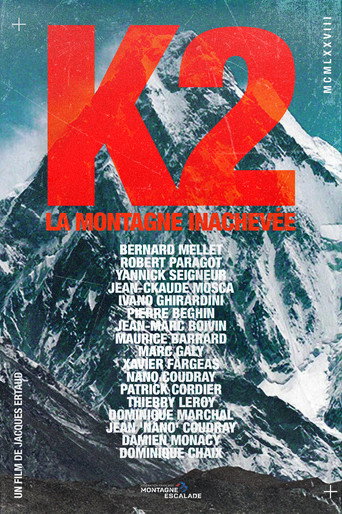
K2 La Montagne Inachevée
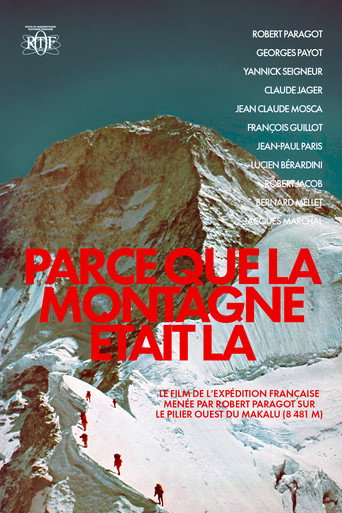
Because The Mountain Was There
On May 23, 1971, a French expedition led by Robert Paragot successfully climbed Makalu via its west pillar. Makalu is one of the five highest peaks in the world, located in the Himalayas on the Nepalese-Tibetan border. Jean-Pierre Janssen and Lucien Bérardini filmed this expedition, where Robert Paragot spoke about the expedition conditions, life at altitude, and his state of mind as expedition leader. On the return to base camp, Jean-Pierre Janssen interviewed Lucien Berardini, Georges Payot, Jean-Claude Mosca, François Guillot, and Jean-Paul Paris, all of whom played a key role in bringing Bernard Mellet and Yannick Seigneur to the summit. Expedition members: Robert Paragot (expedition leader), Georges Payot, Yannick Seigneur, Claude Jager, Jean-Claude Mosca, François Guillot, Bernard Mellet, Lucien Bérardini, Jean-Paul Paris, Robert Jacob, Jacques Marchal (surgeon).
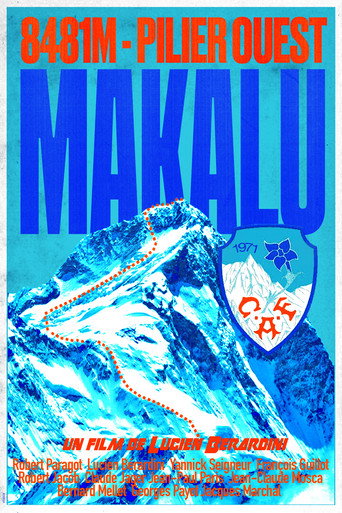
Makalu 8481m - West Pillar
The French Alpine Club's film about the French expedition to conquer Makalu (8481m) via the west pillar in Nepal, which began on February 24, 1971. Composed of 11 mountaineers, Robert Paragot (expedition leader), Georges Payot, Lucien Berardini, Yannick Seigneur, Claude Jager, Jean-Paul Paris, Jean-Claude Mosca, François Guillot, Bernard Mellet, Robert Jacob and Jacques Marchal (surgeon), it took twenty-five days of walking on the Himalayan trails with 460 porters and 18 Sherpas to transport 14 tons of equipment to reach the base camp. Finally, it was Mellet and Seigneur who managed to reach the summit on May 23, 1971: 8481 m, temperature - 30°, oxygen 30%, no wind.
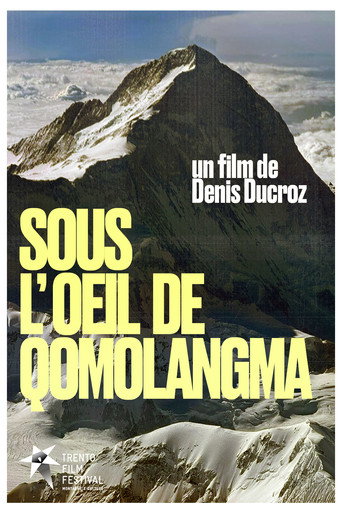
Under The Eye Of Qomolangma
The French High Mountain Military Group (G.M.H.M.) expedition to Everest in 1981, led by General Pierre Astorg, took place on the north face of the mountain. Fifteen military climbers participated in this expedition, which lasted approximately ninety days. Their goal was to reach the summit by following a siege approach, but despite their efforts, the expedition failed to reach the summit. The French military, engaged since the beginning of March on the north face of Everest (8,848 meters), gave up less than 300 meters from the summit. The climbers, Jean-Claude Mosca, Hervé Sachetat, and Hubert Giot, gave up on setting up Camp 7, the last planned intermediate camp, at 8,600 meters. Poor weather conditions and the physical condition of the expedition members were the reasons for the failure of this meticulously prepared expedition...
Gallery