Jean Brooks Movies, TV Shows, and Filmography

Jean Brooks
Acting
Biography
Fluent in Spanish, Jean Brooks began professionally by singing with Enric Madriguera and Orchestra in New York. She had a small role in the New York City-filmed The Crime of Doctor Crespi (1935) and the second lead in a Broadway play, "Name Your Poison" (1938), with Lenore Ulric, all under her real name of Jeanne Kelly. She was signed by an independent film production company that had gone under by the time she got to Hollywood. She spent several years at Universal as a leading lady in "B" pictures, including several Johnny Mack Brown westerns, but her option was dropped in late 1941. By this time she had married writer (later director) Richard Brooks and, with a certain Broadway hoofer having just signed at MGM, dropped the Kelly and became Jean Brooks. She signed with RKO, where film buffs know her for her three appearances for cult producer Val Lewton, particularly her stunning performance as a haunted devil worshiper in The Seventh Victim (1943). Her clipped delivery and intense, forceful acting style made her a promising bet for stardom, but RKO lost interest in her by mid-'44 and her roles got gradually smaller until she was dropped in 1946. She and Brooks divorced (his later studio biographies omitted her name as one of his ex-wives). For many years she was listed as a "Lost Player" championed in several magazine articles by writer Doug McClelland. She was eventually located in San Francisco, where she had moved after her film career petered out, and was employed as a classified ad solicitor on the "San Francisco Examiner" newspaper. She had married a printer called Leddy. Her death at the Kaiser Hospital in Richmond, California, in 1963 was due to nutritional problems caused by alcoholism, a sad ending for a stylish and talented performer who didn't get the breaks she deserved, both personally and professionally. Date of Death 25 November 1963, Richmond, California (extreme malnutrition & alcoholism)
Filmography Movies
Acting
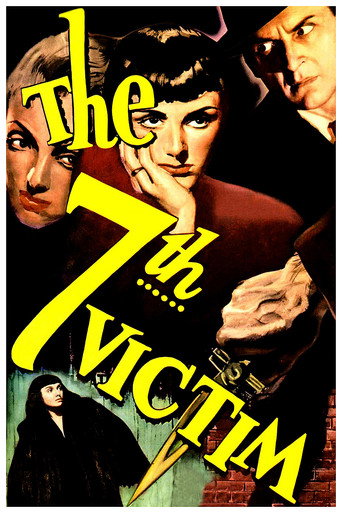
The Seventh Victim
After young Mary Gibson discovers that her older sister Jacqueline has disappeared, she leaves her boarding school and heads to New York City to track down her sibling. But Mary gets drawn deeper into the mystery.
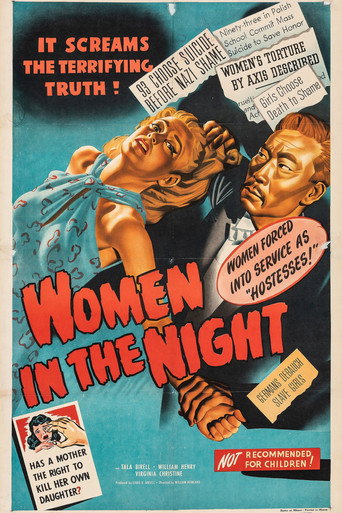
Women in the Night
During WW2 six allied nations women at Shanghai University are arrested by the Germans accused of killing a German officer and forced to entertain the Japanese.
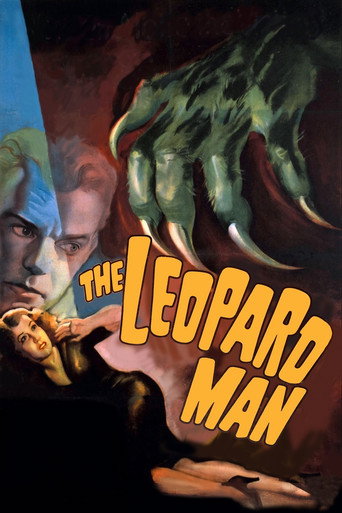
The Leopard Man
When a leopard escapes during a publicity stunt, it triggers a series of murders.
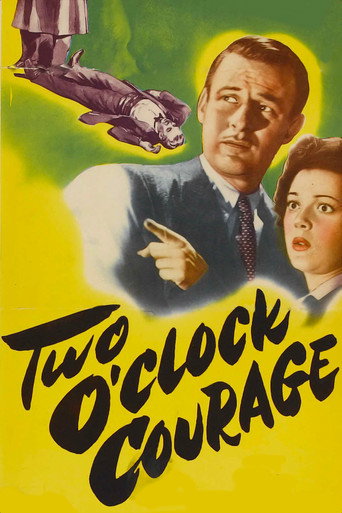
Two O'Clock Courage
A cab driver nearly hits a man with amnesia, then helps him unravel his past, only to discover he's a murder suspect as she falls for him.
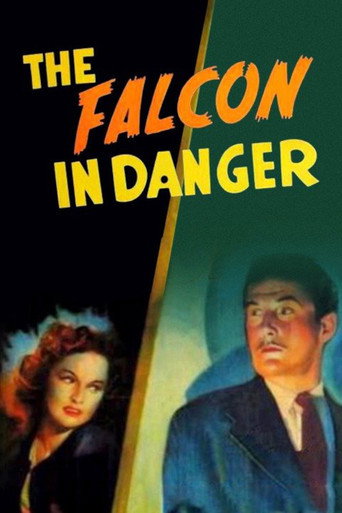
The Falcon in Danger
Two industrialists disappear from an airplane while the plane is in the air. Also missing is $100,000. The Falcon investigates and discovers a plot against the government.
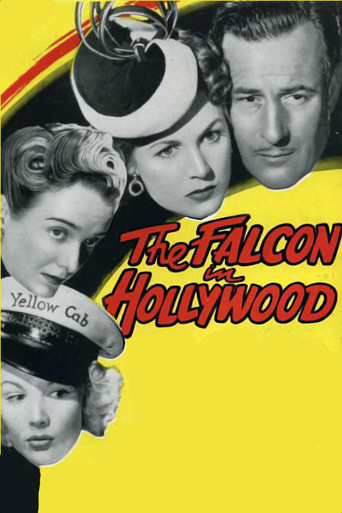
The Falcon in Hollywood
Suave amateur detective Tom Lawrence--aka Michael Arlen's literary hero The Falcon--arrives in Hollywood for some rest and relaxation, only to find himself involved in the murder of a movie actor. There's no shortage of suspects: the costume designer to whom he was married, a tyrannical director, a beautiful young French starlet, a Shakespeare-quoting producer, even a New York gangster. Helping The Falcon solve the crime is a cute, wise-cracking cab driver and a pair of bumbling cops.
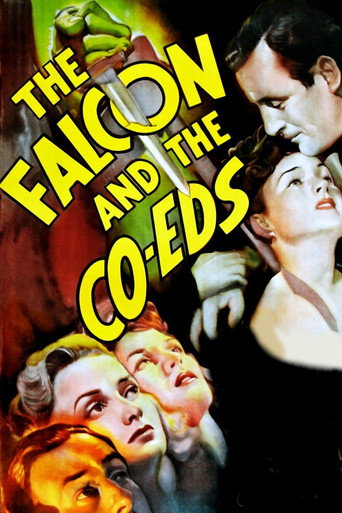
The Falcon and the Co-Eds
The Falcon is called to a young woman's school to investigate a murder. When he arrives, another victim is discovered.
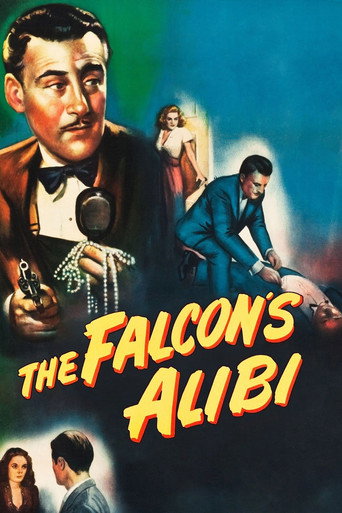
The Falcon's Alibi
A society sleuth sets out on the trail of a society matron's lost jewels.
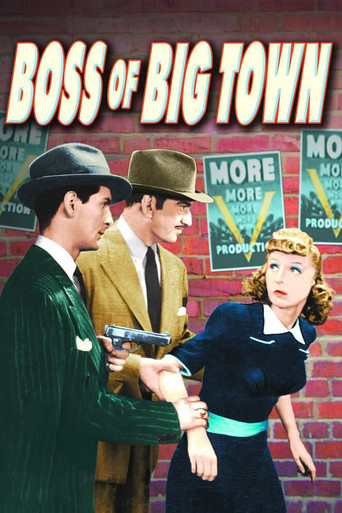
The Boss of Big Town
Quality was seldom a consideration in the low-budget films of PRC Studios; still, the company was a welcome harbor for character actors who aspired to occasional leading roles. In Boss of Big Town, veteran supporting player John Litel is top-billed as crusading city market official Michael Lynn. When a criminal gang muscles in on the local food distribution markets, Lynn vows to throw the rascals out. First, however, he pretends to join the villains as a paid government stooge, the better to find out the identity of the "Mister Big" behind the distribution racket. The exposure of the "mystery villain" will come as a shock to fans of the 1927 Cecil B. DeMille epic The King of Kings--but not to dyed-in-the-wool movie buffs.
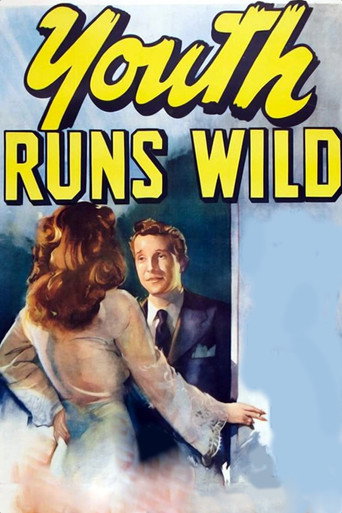
Youth Runs Wild
The teens of a defense-plant town hop on the road to juvenile delinquency while their parents are busy with the war.
Gallery