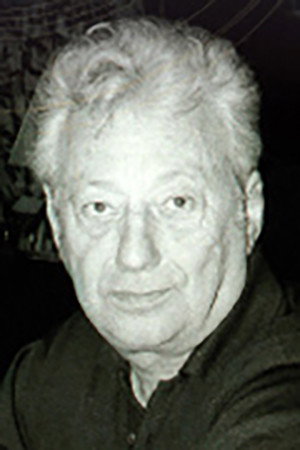
Jean Aurenche Movies, TV Shows, and Filmography

Jean Aurenche
Writing
Biography
Jean Aurenche (1903–1992) was a French screenwriter. During his career, he wrote 80 films for directors such as René Clément, Bertrand Tavernier, Marcel Carné, Jean Delannoy and Claude Autant-Lara. He is often associated with the screenwriter Pierre Bost, with whom he had a fertile partnership from 1940 to 1975. In the 1920s and 1930s, Jean Aurenche was friends with some members of the surrealist groups. His sister Marie-Berthe was the wife of Max Ernst and Max Ernst soon became friend with Jean Aurenche. Later, he even appeared in some film commercials directed by Jean Aurenche (for the "Nicolas" Wine, the "Barbes" stores and so on...). Jean Aurenche was also a close friend of Jean Cocteau who helped him publish several of his short stories in the famous "NRF". In 1933, Jean Aurenche co-directed two short documentaries with Pierre Charbonnier: Pirates du Rhône and Bracos de Sologne. He later co-wrote the short film Monsieur Cordon with director Pierre Prévert. He soon turned to screenwriting, writing or co-writing several films like L'affaire du Courrier de Lyon (1936) by Maurice Lehmann and Claude Autant-Lara, L'affaire Lafarge or, more famously, Hôtel du Nord that he co-wrote with Marcel Carné and Henri Jeanson. In 1942, starting with Douce (directed by Autant-Lara), Aurenche formed a longstanding partnership with Pierre Bost. Their method of writing together initially worked as such: Jean Aurenche wrote the treatment of the screenplay (sometimes based on a novel) and Pierre Bost then expanded this outline and wrote the dialogue. But soon, both of them wrote all the script together without any clear division of the writing. Together, Aurenche & Bost wrote several great successes of this time period, often associated with director Claude Autant-Lara : le Diable au corps (1945), l'Auberge rouge (1951), le Rouge et le Noir (1954), la Traversée de Paris (1956). Meanwhile, Aurenche & Bost started a fertile collaboration with Jean Delannoy, writing for him La Symphonie Pastorale (1947) which won the Palme d'Or at the Cannes Festival of 1947. During this time, they also worked with René Clément (Au-delà des grilles, Jeux interdits and Gervaise). The film Jeux Interdits won the Academy Award on the Best Foreign Film in 1952 and soon became a classic. All these critic and commercial triumph contributed to make of Aurenche one of the most revered screenwriters of his time. ... Source: Article "Jean Aurenche" from Wikipedia in English, licensed under CC-BY-SA 3.0.
Filmography Movies
Acting
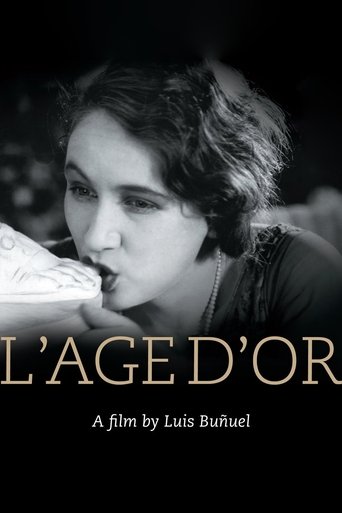
L'Âge d'or
The film consists of a series of tightly interlinked vignettes, the most sustained of which details the story of a man and a woman who are passionately in love. Their attempts to consummate their passion are constantly thwarted, by their families, by the Church and bourgeois society in general.
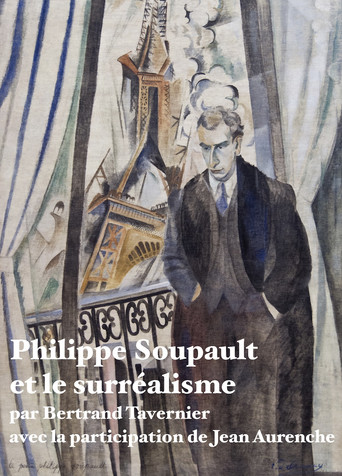
Philippe Soupault et le surréalisme
Production
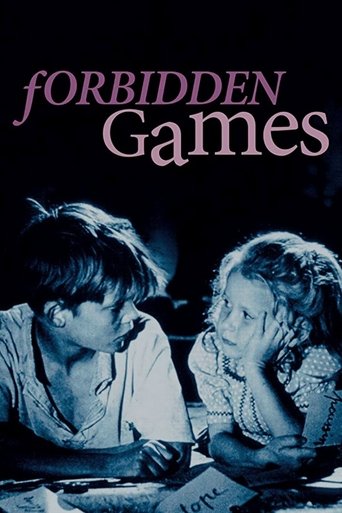
Forbidden Games
Orphaned after a Nazi air raid, Paulette, a young Parisian girl, runs into Michel, an older peasant boy, and the two quickly become close. Together, they try to make sense of the chaotic and crumbling world around them, attempting to cope with death as they create a burial ground for Paulette's deceased pet dog. Eventually, however, Paulette's stay with Michel's family is threatened by the harsh realities of wartime.
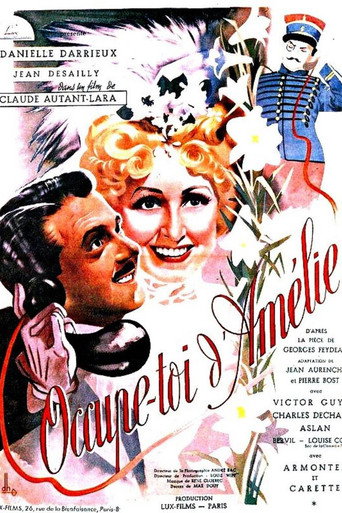
Keep an Eye on Amelia
A young woman's comfortable life with her boyfriend is disrupted when he leaves for military duty, entrusting her to a playboy friend seeking a fake marriage for inheritance. Complications arise as a prince enters the scene, pursuing her romantically.
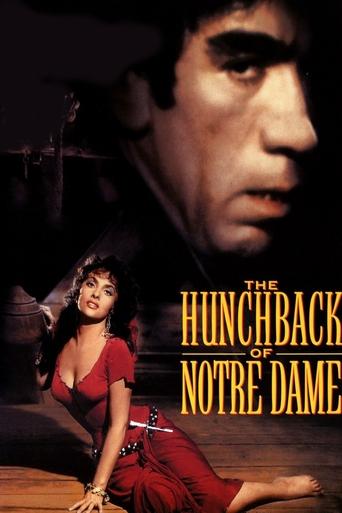
The Hunchback of Notre Dame
Paris, 1482. Today is the festival of the fools, taking place like each year in the square outside Cathedral Notre Dame. Among jugglers and other entertainers, Esmeralda, a sensuous gypsy, performs a bewitching dance in front of delighted spectators. From up in a tower of the cathedral, Frollo, an alchemist, gazes at her lustfully. Later in the night, Frollo orders Quasimodo, the deformed bell ringer and his faithful servant, to kidnap Esmeralda. But when the ugly freak comes close to her is touched by the young woman's beauty...
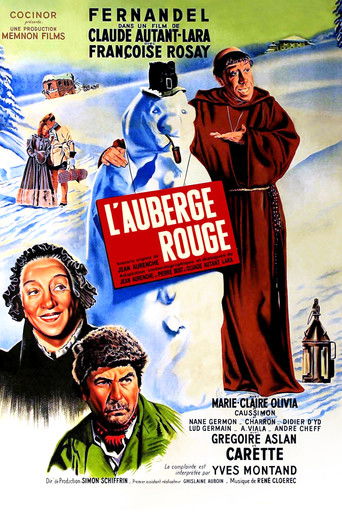
The Red Inn
A group of travelers, including a monk, stay in a lonely inn in the mountains. The host confesses the monk his habit of serving poisoned soup to the guests, to rob their possessions and to bury them in the backyard.
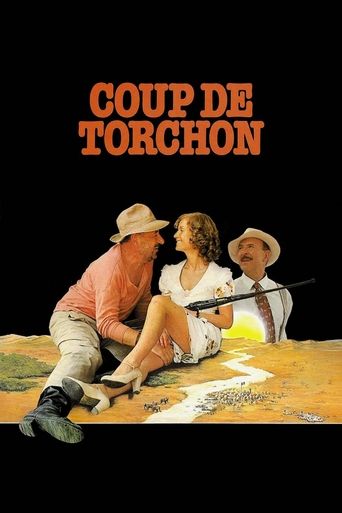
Coup de Torchon
A pathetic police chief, humiliated by everyone around him, suddenly wants a clean slate in life, and resorts to drastic means to achieve it.
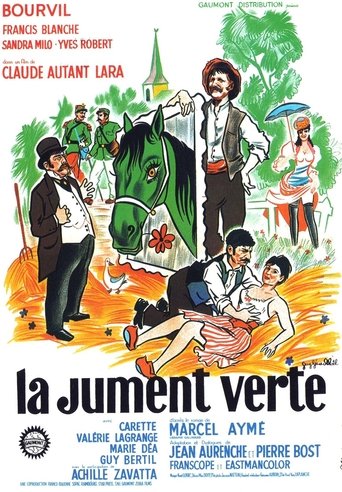
The Green Mare
A green mare makes the fortune of her owner, the horse dealer Haudouin. Shortly after his death, war broke out in 1870. One day, his neighbor Zèphe Maloret denounces Honoré, Haudouin's son, a maverick, to the Prussians. Following this denunciation, their non-commissioned officer enters the Haudouin home and rapes the mother while Honoré is hidden under the bed. The resentment already existing between the Haudouin and Maloret families turns to hatred... A letter recalling the events is lost, which doesn't help matters.
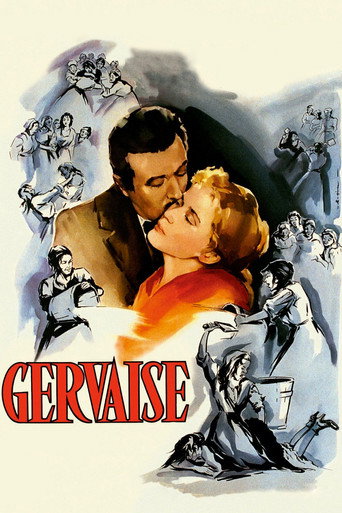
Gervaise
An adaptation of Émile Zola’s 1877 masterpiece L’assommoir, the film is an uncompromising depiction of a lowly laundress’s struggles to deal with an alcoholic husband while running her own business.
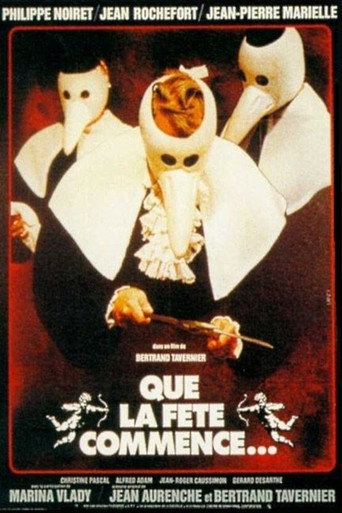
Let Joy Reign Supreme
A look at 18th-century France, when the depravity of the authorities contributed to social oppression, and the uprisings flared up one after another.
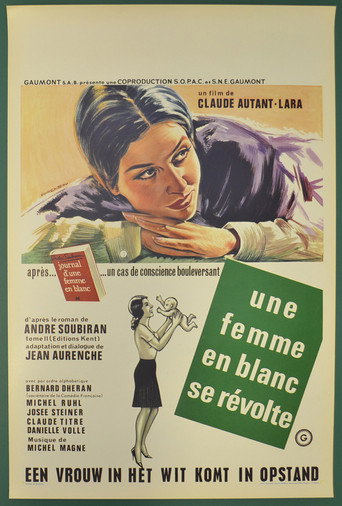
A Woman in White Revolts
Preparing her gynecology thesis, Claude Sauvage, at the urging of a village doctor, Vincent Ferrière, agrees to replace him for a few days. During this time, she took it upon herself to abort the schoolteacher, who was afraid of giving birth to a handicapped child. But an anonymous letter denounces her, and she goes on trial.
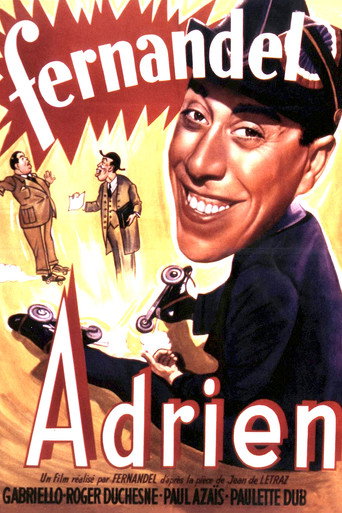
Adrien
Adrien Moulinet, a modest encashing agent in the Nortier bank, is also an inventor in his spare time. His latest revolutionary creation is the motorized roller skate. His problem is to be able to market them. Jules Petitpas, a jobless adman, is the right man for that.
Gallery