Directing
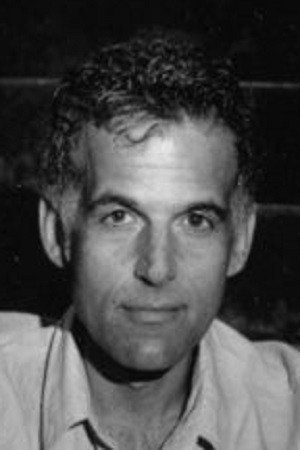
Jay Rosenblatt is an American experimental documentary filmmaker known for his work in the field of collage film since 1980.
A 'dog-u-mentary' about birth, loss and near death. The film follows three adults and a dog named Lola through Lola's pregnancy, the birth of her puppies, and the loss of each puppy to their new owners. Often funny and ultimately sad, the piece explores our love and attachments to dogs and our projections onto animals.
For 17 years, filmmaker Jay Rosenblatt filmed his daughter Ella on her birthday in the same spot, asking her the same questions. In just 29 minutes, we watch her grow from a toddler to a young woman with all the beautiful and sometimes awkward stages in between. Each phase is captured fleetingly but makes an indelible mark. Her responses to her father’s questions are just a backdrop for a deeper story of parental love, acceptance, and ultimately, independence.
A mind-boggling "coincidence" leads the filmmaker to track down his fifth grade class – and fifth grade teacher – to examine their memory of and complicity in a bullying incident fifty years ago.
King of the Jews is a film about anti-Semitism and transcendence. Utilizing Hollywood movies, 1950's educational films, personal home movies and religious films, the filmmaker depicts his childhood fear of Jesus Christ. These childhood recollections are a point of departure for larger issues such as the roots of Christian anti-Semitism.
An old man reflects on his entire life. How quickly it all goes by.
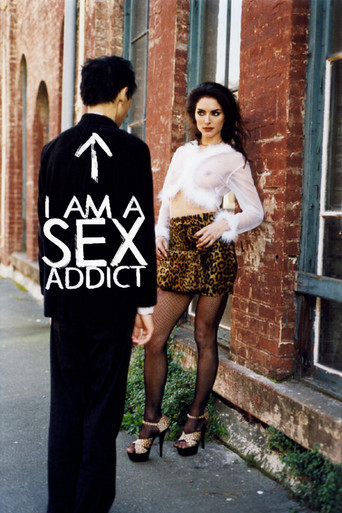
Just moments before his third wedding, Zahedi relates with utter sincerity and astonishing candor his obsession with prostitutes. He retraces his romantic and sexual history, including his ideological commitment to open relationships, that led to two disastrous marriages and several very pissed off ex-girlfriends.
On January 1st, 1999, Caveh Zahedi started a one-year video diary. The idea was to shoot one minute each day. This is the result.
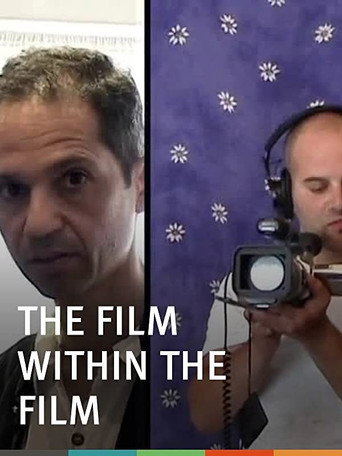
Independent Filmmaker Caveh Zahedi is trying to make a television show. He persuades BRIC TV, a Brooklyn non-profit Arts organization, to finance a television show whose premise is that every episode will be about the making of the previous episode. In the process of creating the show, everything can-and does-go wrong. The cast, a who's who of Brooklyn's independent filmmaking community, includes Alex Karpovsky, Eleonore Hendricks, Dustin Defa, and Onur Tukel.
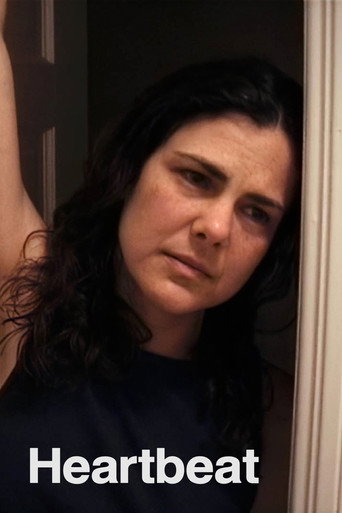
This emotionally raw and intimate documentary, shot 25 years ago, follows a couple - the filmmakers – in their complicated journey towards bringing a new life into the world. In today's landscape of reproductive rights, this story takes on a new meaning and offers a rare view into this moment in their lives.
Yerba Buena Center for the Arts commissions Caveh Zahedi to make a film.
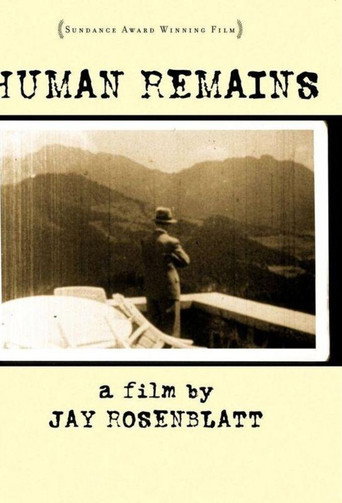
Human Remains is a haunting documentary which illustrates the banality of evil by creating intimate portraits of five of the 20th century's most reviled dictators. The film unveils the personal lives of Adolf Hitler, Benito Mussolini, Joseph Stalin, Francisco Franco and Mao Tse Tung. We learn the private and mundane details of their everyday lives -- their favorite foods, films, habits and sexual preferences. There is no mention of their public lives or of their place in history. The intentional omission of the horrors for which these men were responsible hovers over the film.
The Darkness of Day is a haunting meditation on suicide. It is comprised entirely of found 16mm footage that had been discarded. The sadness, the isolation, and the desire to escape are recorded on film in various contexts. Voice-over readings from the journal kept by a brother of the filmmaker’s friend who committed suicide in 1990 intermix with a range of compelling stories, from the poignant double suicide of an elderly American couple to a Japanese teenager who jumped into a volcano, spawning over a thousand imitations. While this is a serious exploration of a cultural taboo, its lyrical qualities invite the viewer to approach the subject with understanding and compassion.