Jay Adler Movies, TV Shows, and Filmography
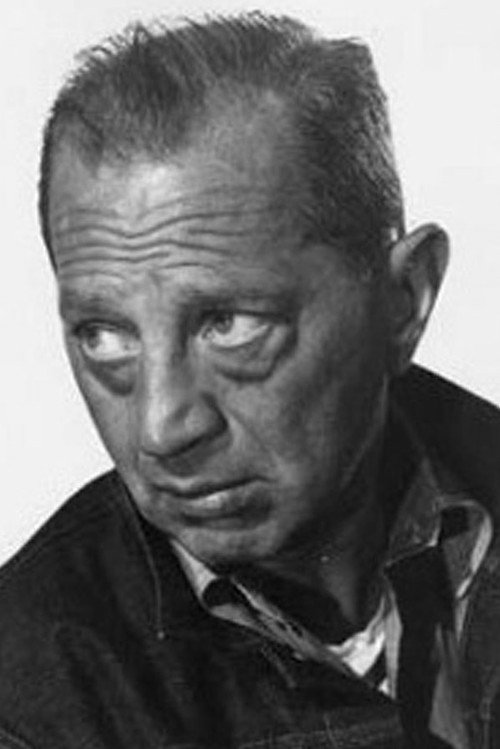
Jay Adler
Acting
Biography
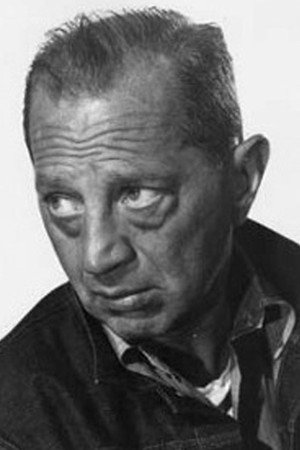
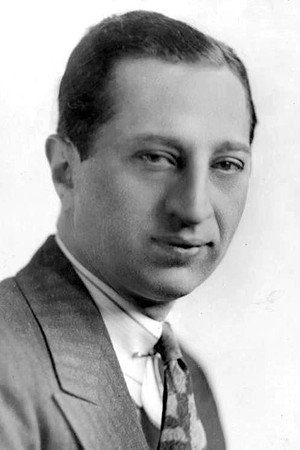
From Wikipedia, the free encyclopedia Jay Adler (September 26, 1896 – September 23, 1978) was an American actor in theater, television, and film. Born in New York City, he was the eldest son of actors Jacob and Sara Adler, and the brother of five actor siblings, including stage actor Luther and drama coach Stella. The Adlers were a Jewish-American acting dynasty in New York City's Yiddish Theater District and they played a significant role in theater from the late 19th century to the 1950s. Stella Adler became the most influential member of their family. During a long acting career of minor character roles, Jay Adler appeared in more than 40 films and 37 television series between 1938 and 1976. He appeared in The Big Combo (1955), Stanley Kubrick's The Killing (1956) and Jerry Lewis' The Family Jewels (1965). In 1961, Adler appeared both in the episode "The Lady and the Lawyer" of the television series The Asphalt Jungle and in The Lawbreakers, a theatrical film version of the episode. Jay Adler died at age 81 in Woodland Hills, California and was buried in the Mount Carmel Cemetery, Glendale, New York.
Filmography Movies
Acting
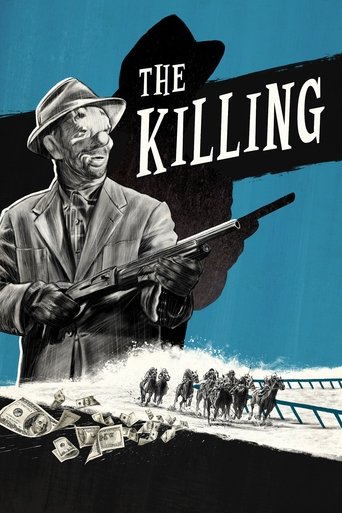
The Killing
Career criminal Johnny Clay recruits a sharpshooter, a crooked police officer, a bartender and a betting teller named George, among others, for one last job before he goes straight and gets married. But when George tells his restless wife about the scheme to steal millions from the racetrack where he works, she hatches a plot of her own.
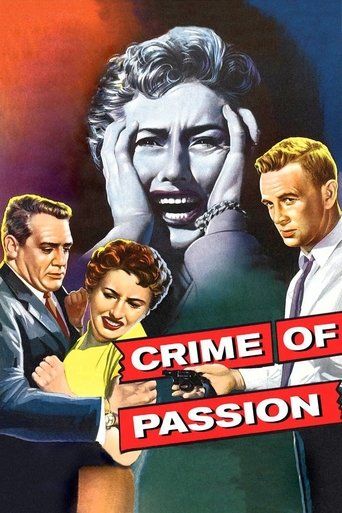
Crime of Passion
Kathy leaves the newspaper business to marry homicide detective Bill, but is frustrated by his lack of ambition and the banality of life in the suburbs. Her drive to advance Bill's career soon takes her down a dangerous path.
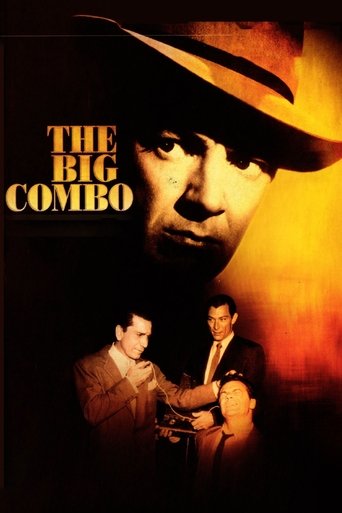
The Big Combo
Police Lt. Leonard Diamond vies to bring a clever, well connected, and sadistic gangster to justice all the while obsessing over the gangster's girlfriend.
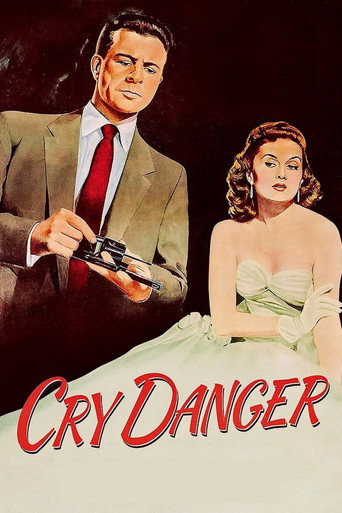
Cry Danger
After serving five years of a life sentence, Rocky Mulloy hopes to clear his friend who's still in prison for the same crime.
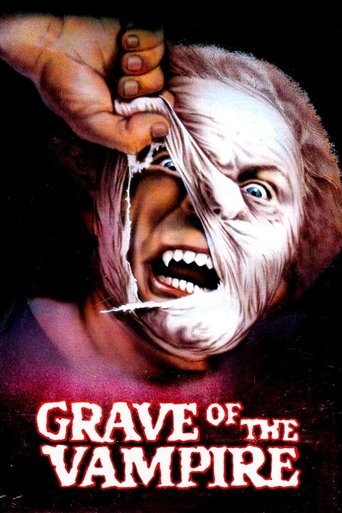
Grave of the Vampire
Vampire Caleb Croft has awakened from his unholy slumber -- with an insatiable lust for blood and the pleasures of the flesh.
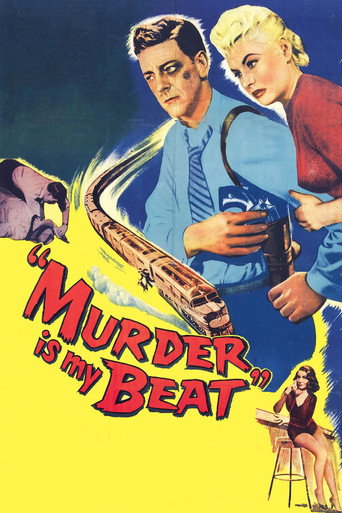
Murder Is My Beat
Mr. Dean's body is found face down in the fireplace, burned beyond recognition. Nightclub-singer Eden Lane is convicted of the crime. She is escorted to prison by one of the arresting detectives when she convinces him that she just spotted the murderer outside their train.
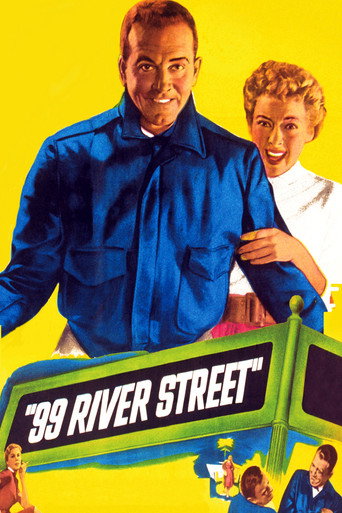
99 River Street
A former boxer turned taxi driver earns the scorn of his nagging wife and gets mixed up with jewel thieves.
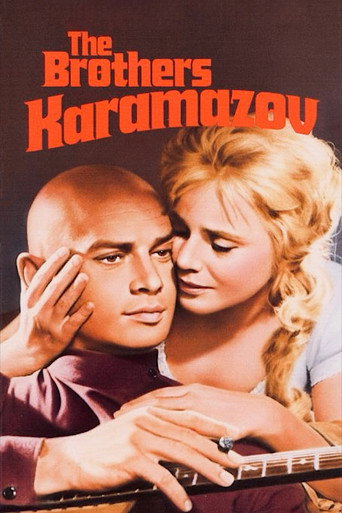
The Brothers Karamazov
Ryevsk, Russia, 1870. Tensions abound in the Karamazov family. Fyodor is a wealthy libertine who holds his purse strings tightly. His four grown sons include Dmitri, the eldest, an elegant officer, always broke and at odds with his father, betrothed to Katya, herself lovely and rich. The other brothers include a sterile aesthete, a factotum who is a bastard, and a monk. Family tensions erupt when Dmitri falls in love with one of his father's mistresses, the coquette Grushenka. Two brothers see Dmitri's jealousy of their father as an opportunity to inherit sooner. Acts of violence lead to the story's conclusion: trials of honor, conscience, forgiveness, and redemption.
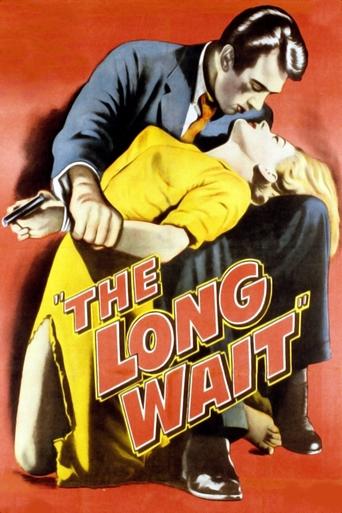
The Long Wait
Soon after thumbing a ride from a truck driver, Johnny McBride is badly burned and suffers from complete amnesia when the vehicle he’s riding in blows a tire and goes over an embankment in a fiery blaze. McBride later receives a tip from an acquaintance that a photo of him was placed prominently in the window of a photography studio in a town called Lyncastle, so Johnny immediately leaves for the burg in the hopes that something there will jog his memory.
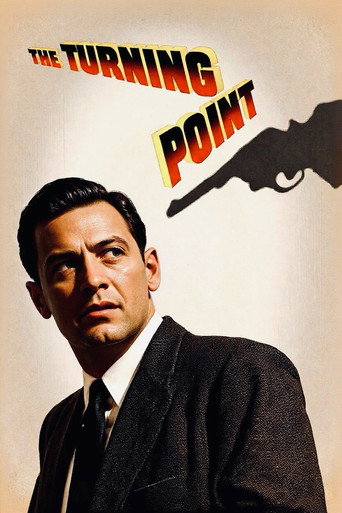
The Turning Point
Special prosecutor John Conroy hopes to combat organized crime in his city and appoints his cop father Matt as chief investigator. John doesn't understand why Matt is reluctant, but cynical reporter Jerry McKibbon thinks he knows: he's seen Matt with mob lieutenant Harrigan. Jerry's friendship with John is tested by the question of what to do about Matt, and by his attraction to John's girl Amanda. Meanwhile, the threatened racketeers adopt increasingly violent means of defense.
Gallery