Directing
No biography available.
A personal consideration of the Korean cinema by director Jang Sun-Woo, looking at it’s history of outside influence and censorship.
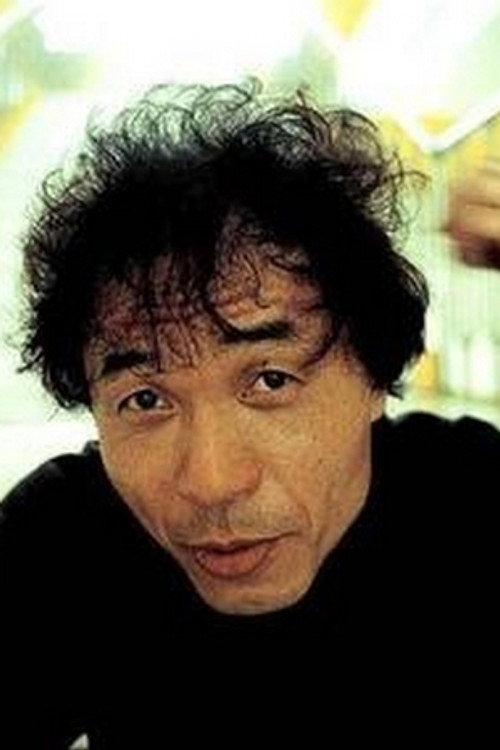
Divided into chapters, the documentary examines Jang's career and films from many different angles and includes the voices not only of those who have worked with Jang but also of numerous ordinary Koreans who have been affected by his work. Individual chapters are devoted to such topics as Jang's idiosyncratic hairstyle and the controversy surrounding his previous feature Lies. The documentary tries to place Jang and his work in the widest possible social context, not only in the context of Korean cinema. At its heart is a series of remarkably candid and revealing interviews with Jang himself.
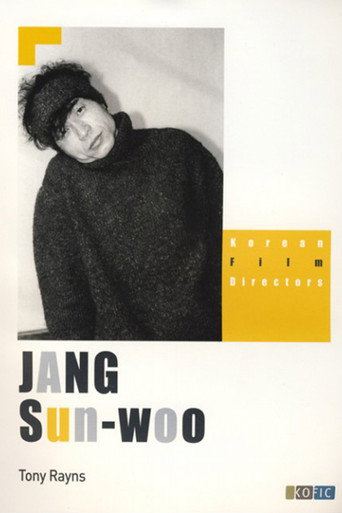
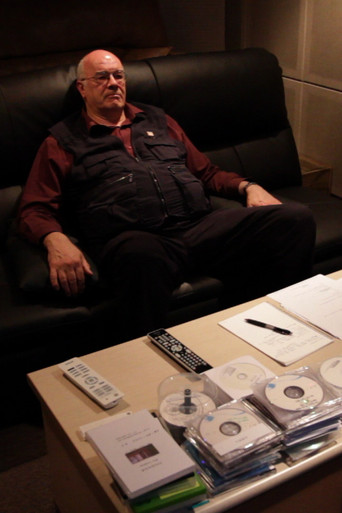
Prominent film critic Tony Rayns has long been a supporter of Korean cinema. This film illustrates Rayns’ affection for Korean cinema through interviews of Korean cineastes that have a special affinity for him, including JANG Sun-woo, LEE Chang-dong and HONG Sang-soo among others.
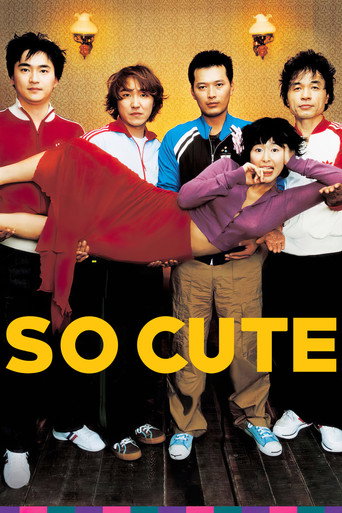
Jang Su-ro lives in the slums of Korea with his three sons 963, Dog Nose and So-and-So, who just got out of prison. While So-and-So's loyalties to his mob boss and biological family are put to the test when he finds that his family's home is slated to be demolished by the mob's developers, the rest of the family's life is complicated with the arrival of Sun-yi, Jang's new girlfriend who annoys Dog Nose and attracts the affections of 963.
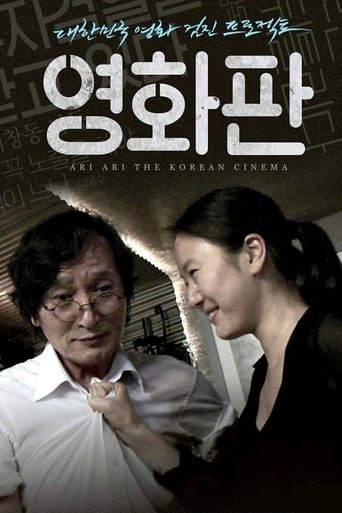
Director Chung Ji-Young criticizes the thought that older directors have difficulties in making certain movies. Actress Yoon Jin-Seo agonizes over her identity as an actress. In 2009, before the movie "Unbowed" was made, they met and planned a documentary about Korean movies, including the processes a Korean movie goes through and difficulites. "Ari Ari the Korean Cinema" is a documentary with interviews of Korean directors, actors and actresses.
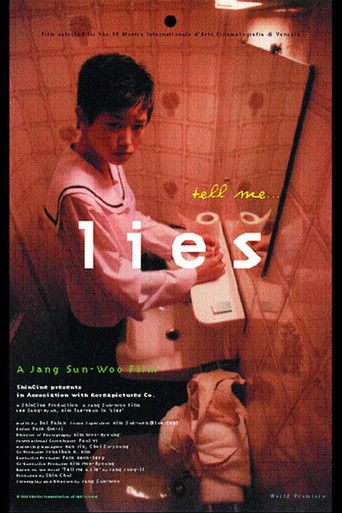
A Korean high school student and a married sculptor embark on a sexual odyssey soaked in sadomasochism and love.
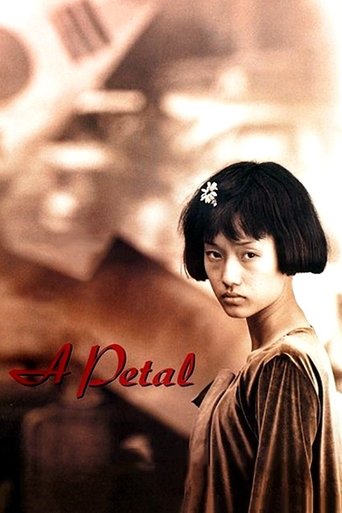
The story of a girl who experienced the Gwangju massacre at the age of 15, and its effect on her life in later years.
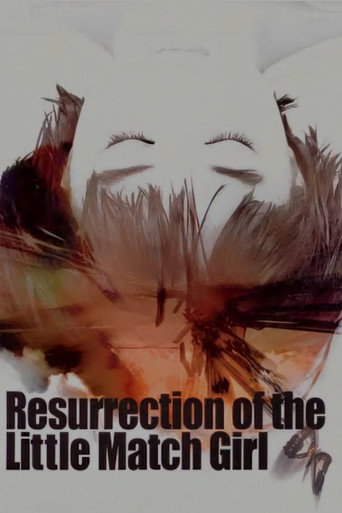
A young man is on a quest to beat the game and rescue the Little Match Girl from the hands of the corporation that operates the game, but can he succeed?
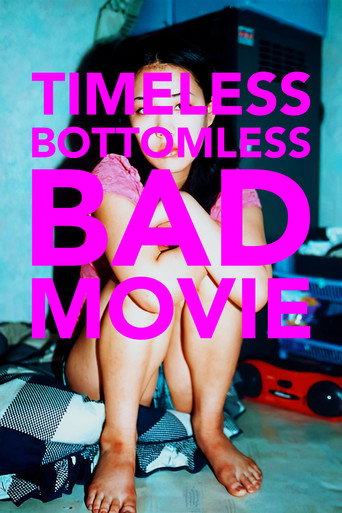
Children who refuse to live with their families or give up on the streets work at a bar or steal money. When you don't have money, you'd rather starve than give up playing. Several people have to bowl as much as they want, jump out of the window with their lives, and dance with real dancers at a rock cafe.
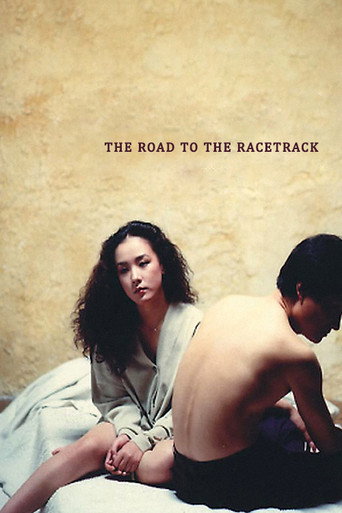
R returns from studying in France and reunites with J, whom he used to live with in Paris.
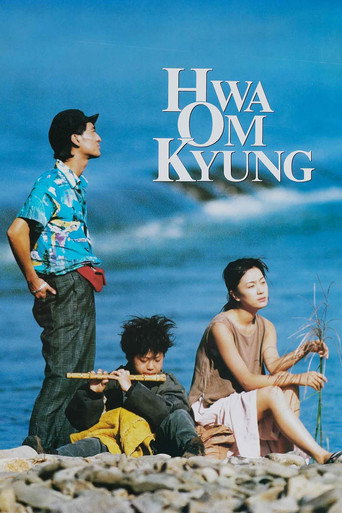
A young boy mourns the death of his father, and begins a quest to find his mother. He encounters many people on the way who quote Buddhist precepts: an eccentric monk, a girl who grows up into a young woman, a prison inmate, a foul-mouthed doctor and the young son of a hard drinking astronomer. Each of them tell the boy to seek someone to help him find the truth and his mother.
Bae Il-do, who feels unappreciated in his rural village, runs away from home and works as a tailor. His wife grew up under a harsh stepmother and worked as a housekeeper and bar hostess before meeting Il-do, for whom she bore a child. The young and attractive Gong-rye comes between them, having an affair with Il-do while working with him in a garment factory. Their secret meetings don't remain secret for long and Il-do's wife inevitably finds out...