Acting
No biography available.
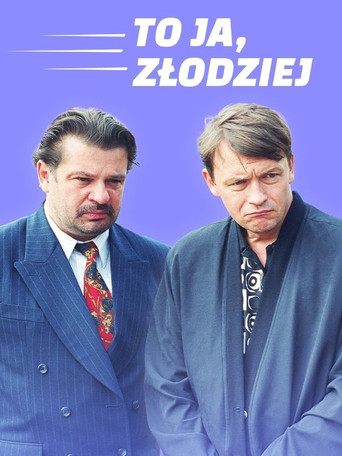
A teenager works in a car repair shop and makes a living from petty thefts. In order to impress the boss of a gang of car thieves, he decides to steal a jaguar. What’s more, he can realize his grandmother's dream – he can drive her to mass in the basilica.
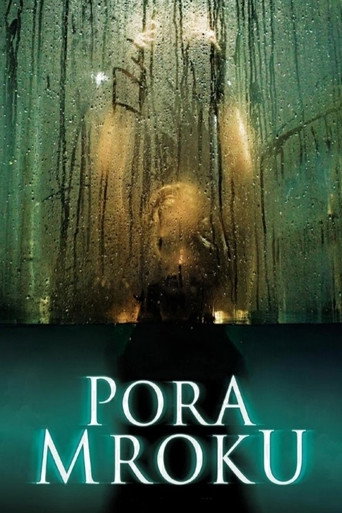
Four friends come to the site of an old abandoned factory in Lower Silesia, where a year ago lost their buddy. Trying to unravel the mystery of his disappearance uncover the terrible truth about their experiments in the factory.
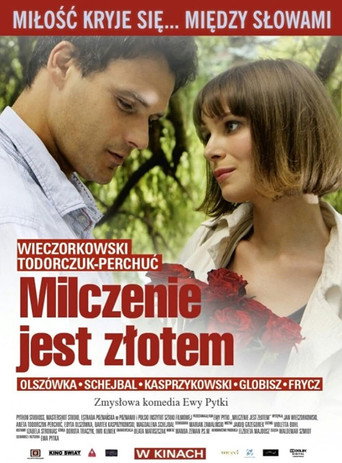
Inge has an unconventional profession and an equally unconventional personality. Her job involves ripping various sounds to illustrate radio broadcasts and advertising spots. One day on the street, Inge is approached by a mysterious Stranger who wordlessly kisses her on the lips, hands her a bouquet of flowers and... disappears. Inge is so shocked and surprised by this strange incident that she loses her voice. Thus begins a funny and poetic love story directed by Ewa Pytka.
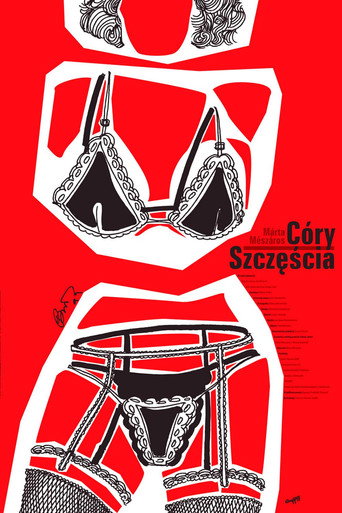
A story of a mother who had to change her profession from a teacher to a high class prostitute to make a living.
Anthropology professor Michal develops two overwhelming obsessions. The first one is a mummified, 3,000 year-old, perfectly preserved body of a shaman he and his colleagues have recently dragged out of a swamp. The second is an enigmatic student he meets by chance at a railway station.
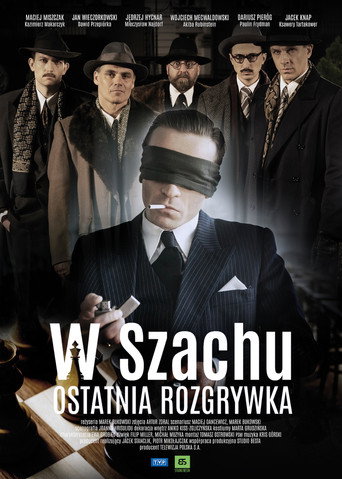
The Polish national chess squad, the 'Golden Team', won the world chess championship in Hamburg in 1930, and was renamed by the German press as the 'Bombenmannschaft' ('Bomber Crew'). The film focuses on team leader, Akiba Rubinstein, alongside his fellow players Dawid Przepiórka, Ksawery Tartakower, Mieczyslaw Najdorf, Paulin Frydman and Kazimierz Makarczyk. They battle to win the trophy as well as dealing with the mental illness of Rubinstein and the outbreak of World War II. The film tracks the fate of the Polish players, some of whom are Jewish, as the Nazis occupy Poland.
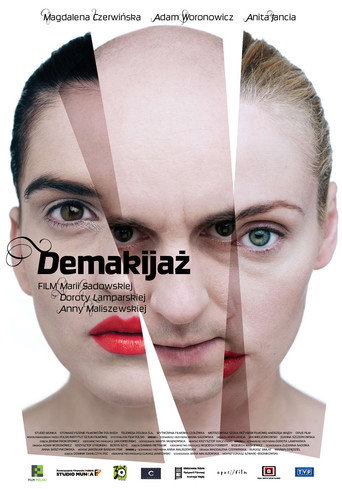
A feature film consisting of three half-hour films: "Non Stop Color" directed by Maria Sadowska, "Internal Road" directed by Dorota Lamparska, and "Room for Speed Dating" directed by Anna Maliszewska. All three films were made as part of the "30 minutes" program coordinated by the Polish Filmmakers Association - the Andrzej Munk "Youth and Film" Studio. The "Demakijaż" films are the authorial statements of young women. All three directors are before their full-length feature debut.
The hero of this perverse comedy is Jerzy, a completely incurable romantic, who finds the love of his life in the voice coming from the navigation system in his car. Jerzy is a gadget-head, and loves all kinds of electronic devices – he gives them names, and then talks to them. This makes him fall in love with Carmen – the voice from his car-navigation system.
Alternative History of Poland, 2014. A pair of Swedes come to Warsaw to make a documentary about the life of young people in socialist realities.
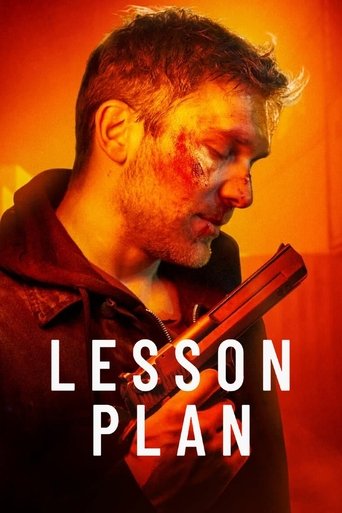
After a teacher dies, his best friend — a former cop — takes a job at the school where he worked to confront the gang he thinks was responsible.