Jan Uuspõld Movies, TV Shows, and Filmography
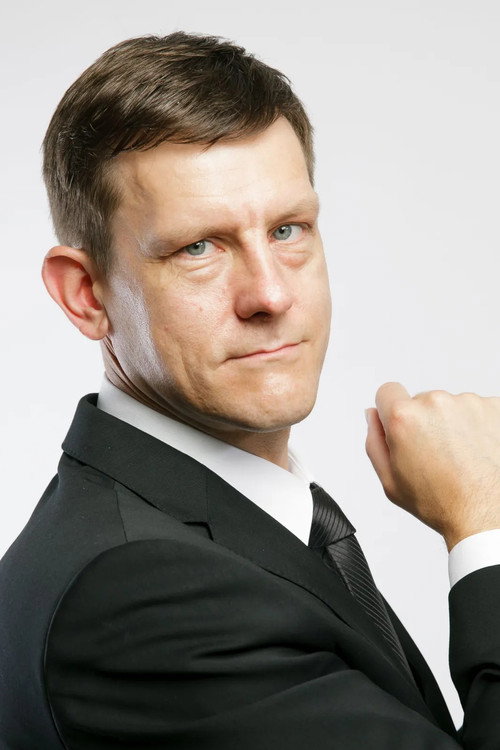
Jan Uuspõld
Acting
Biography
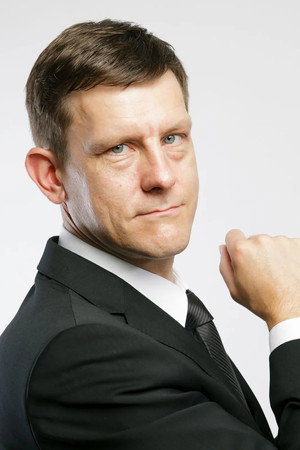
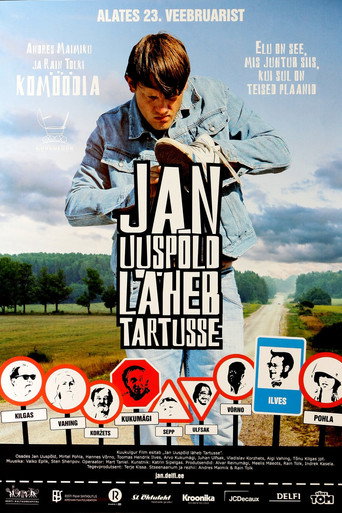
Jan Uuspõld (born December 14, 1973) is an Estonian stage, television, radio and film actor and musician. Jan Uuspõld was born in Tallinn, the eldest of three sons of Ingar and Heidi Uuspõld. His mother is an accountant and his father was a long-distance truck driver. He was raised mostly in Hiiu, Nõmme and attended schools in Keila and Tallinn. In middle school was enrolled in music class and sang in a school choir. He graduated from Tallinn's 1st Industrial High School in 1991 where he trained as an offset printer. As a teenager, he wished to become a musician. Influenced in part by the Estonian punk rock band J.M.K.E., he formed a punk band called Trakulla at age fifteen with several classmates and younger brother Andrus after his mother gave him money to buy a guitar. The band went through several music styles and incarnations until eventually being called Luxury Filters and playing predominately jazz and Texas blues inspired songs. After recording several songs, the band appeared on the television Eesti Televisioon (ETV) program 7 vaprat and found a degree of success in Estonia. Their most popular single, "Tramm nr 66", sung by Uuspõld, was released in 1992 when Uuspõld was nineteen. The band folded not long after, but reformed on several occasions, performing on ETV and the 2013 August Blues Festival in Haapsalu. After Luxury Filters broke up, Uuspõld was inspired to become an actor after watching Estonian actor Tõnu Kark perform in a stage production of One Flew Over the Cuckoo's Nest. In 1994 he applied to and was accepted at the EMA Higher Drama School (now, the Estonian Academy of Music and Theatre) in Tallinn, graduating in 1998. Among his graduating classmate were actors Harriet Toompere, Tiit Sukk, Veikko Täär, Liina Vahtrik, and Andero Ermel. While still a student, his course instructor Priit Pedajas offered him an engagement at the Estonian Drama Theatre. He would perform at the Estonian Drama Theatre from 1996 until 2013 in roles by Shakespeare, Ibsen, Dostoyevsky, among many others. From 2005 until 2007 he also performed for two seasons at the Vanemuine theater in Tartu and from 2009 to 2014, with partner Karl Kermes, he created the Monoteater, which staged several plays. In 2013 he developed his own theater production company called Prem Productions. Jan Uuspõld's first film role as an actor was in the 1999 Ervin Õunapuu directed short Kõrbekuu. His first television appearance as an actor was in the Kanal 2 comedy series Wremja in 2001. He would appear in the program as a regular until 2003. This was followed by a dual role in the Finnish YLE2 television series Siperian Nero! He would go on to appear in roles for such television series as: Rikospoliisi ei laula (2006), Ohtlik lend (2006), Kelgukoerad (2007), Brigaad 3 (2007), Kättemaksukontor (2009-2012), among others. Shortly after leaving the Estonian Drama Theatre, Uuspõld had an idea to create a comedic road movie. After presenting his idea to directors and screenwriters Rain Tolk and Andres Maimik, the three collaborated in making the 2007 comedy Jan Uuspõld läheb Tartusse (English release title: 186 Kilometers). In the film Uuspõld plays a down-on-his-luck caricature of himself, trying to hitchhike from Tallinn to Tartu to perform in a role at the Vanemuine theater.
Filmography Movies
Acting
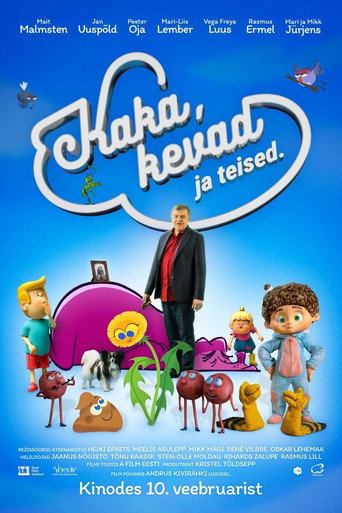
Poop, Spring and Others
Based on Andrus Kivirähk's books "Poo and spring", "Carnival and Potato Salad" and "Ghost and Facebook", the film tells about longing, friendship, love, family and fears, which often have big eyes. The adventures of the strange characters are spiced with the characteristic warm and bold humor of Kivirähk, wittily weaving together the boundless fantasy of children and the living conditions of the modern world.
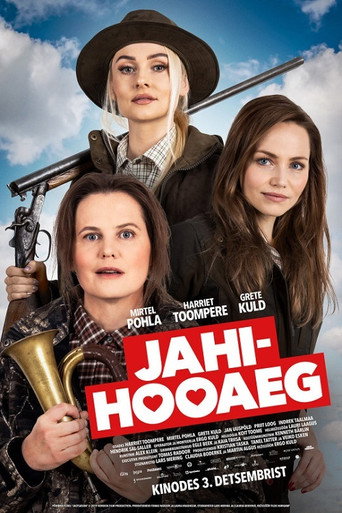
Hunting Season
Eva, 45, has recently divorced and is now afraid of losing both her son and her best friend to her ex’s new young, successful and brilliant sweetheart Isabel. To win back her positions, Eva goes on a road trip with her friend Marleen and Isabel, which makes the women confront different men, comical mishaps, even more comical quarrels, real hunting and most importantly themselves, forcing them to realise in the Christmas bustle what is most precious in life.
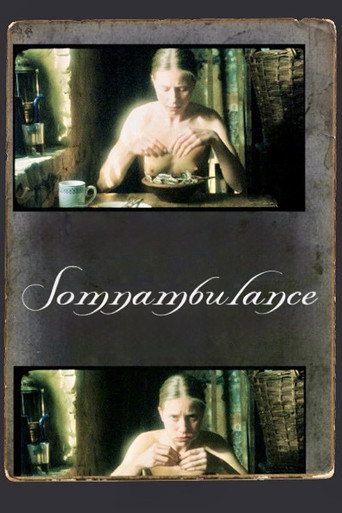
Somnambulance
Autumn 1944, Estonia. Tens of thousands of people leave their homeland in fear of approaching frontline. Some seashore villages remain completely empty. A young woman with huge grey eyes gets off the boat. Eetla leaves the last boat, thus giving up her last chance to escape. Defying the cold wind and rain of September, she returns to the lighthouse which is unexpected to her father Gottfrid, the lighthouse keeper, and herself. Eetla's return becomes her self-encounter and self-recognition.

Tree of Eternal Love
Kiik, a young car mechanic stuck between the gears of life, finds out that his girlfriend's heart has been won over by a new handsome man. To get rid of the pain in his soul, Kiik asks his filmmaker best friend to join the adventure, with the destination to cut down the tree of eternal love. The journey to the mystical tree becomes thorny, intriguing and criminal.
Wildman
"Ürgmees" on Ameerika näitekirjaniku Rob Beckeri kirjutatud ühemeheetendus, mis toob välja, et igas mehes on peidus tundeline ja hooliv ürgmees. "Ürgmehe" näol on tegemist humoorika ja teravmeelse etendusega, mis räägib meeste ja naiste vahelistest suhetest, võrdleb naisi ja mehi ning toob esile juba ürgajal kujunenud instinktid. Ligi kaks tundi kestev näidend seletab, kuidas on naiste ja meeste erinevus loonud eri maailmapildid, kultuuri ja isegi keele ning mis moel põhjustavad need erinevused arusaamatusi ja teineteise mittemõistmist tänapäeval. Peaosalise Jan Uuspõllu sõnul elab igas mehes ürgmees. "Arvatakse, et meestel on tundeid vähem kui naistel, aga tegelikult see nii pole," arvab ta. "Mehed on tundelised, kohusetundlikud ja neil on instinkt hoida oma peret ning lähedasi." Etendus lükkab ümber laialtlevinud arvamuse, et kõik mehed on mühakad, ja õigustab mõlemat sugupoolt. Muuhulgas saab etenduses üsna palju meeste ja naiste kohta teada.
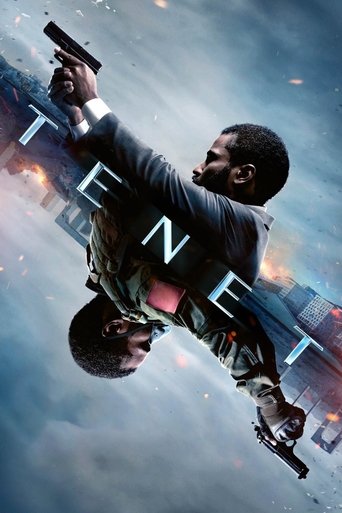
Tenet
Armed with only one word - Tenet - and fighting for the survival of the entire world, the Protagonist journeys through a twilight world of international espionage on a mission that will unfold in something beyond real time.
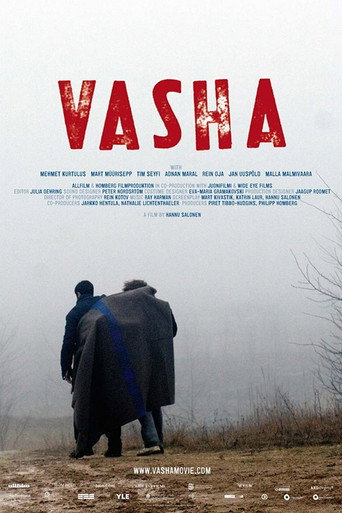
Vasha
Tom, a wide-eyed, innocent sixteen year-old, finds himself an unwitting accomplice in a deadly game of vengeance and death when he befriends Artur - a Chechen man, hell bent on revenging the torture and murder of his family - on the streets of Tallinn.
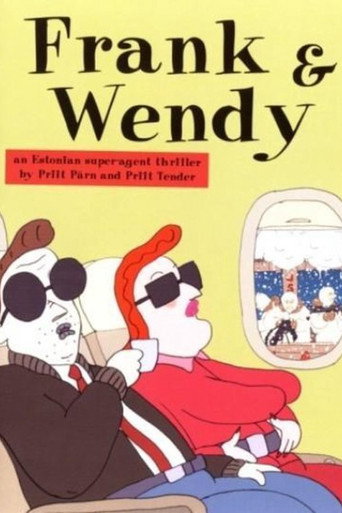
Frank & Wendy
Two American secret agents - Frank and Wendy - are sent to the world's hotbed of danger, known as Estonia. Estonia is a silly place, perhaps even sillier than the agents themselves. Frank and Wendy, for whom saving the world is their daily work, achieve both mental and manual feats with the greatest of ease. It appears that nothing can prevent their ultimate victory, but go figure. The axis of evil does not wither and attacks the super-agents from where they can least expect it...
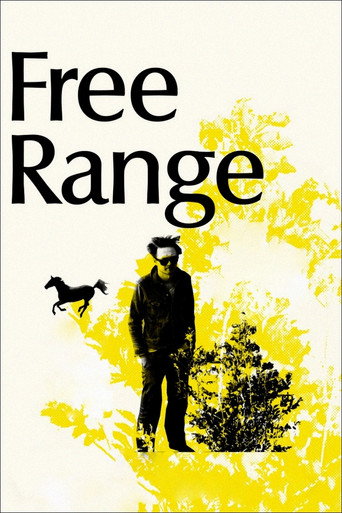
Free Range
After being fired from his job at a newspaper for writing a destructive review of a celebrated movie, Fred, an aspiring writer, learns that his girlfriend is pregnant.
Father
How to be a father. A one-man play written in 2007 by Icelandic playwright, director, actor and producer Bjarni Haukur Þórsson. “Father” is the logical chronological successor to “Caveman.” In this play, the protagonist examines the next stage of man-woman cohabitation and the core values and goals of family life.
Gallery