Jan Kolařík Movies, TV Shows, and Filmography
Jan Kolařík
Acting
Biography
No biography available.
Filmography Movies
Acting
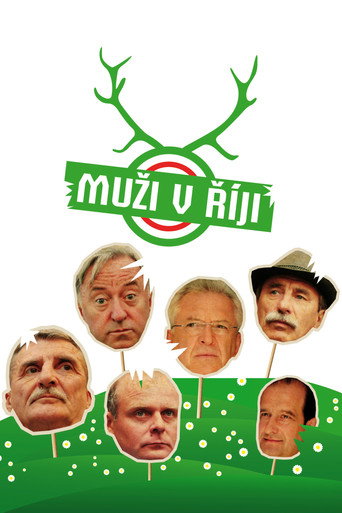
Men in Rut
The story takes place in the small South Moravian village of Mouřínov, where the road ends. The residents long to become a "transit" village, and since there is a champion deer caller among them, they make a great effort to host the European Championship in this unique but interesting discipline. The village is busy with preparations, but that's not all. At the same time, the residents' obvious and unspoken relationships are developing, and just as the preparations affect their lives, their relationships affect the course of the preparations. And one day, the championship finally begins...
Moravský Manchester
What has shaped the appearance of Brno and the lives of its inhabitants over the last two centuries? What do architectural monuments and cultural and social traditions refer to?
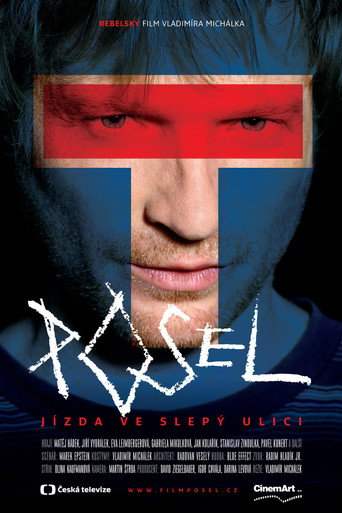
The Messenger
Petr is a courier, a messenger as a matter of fact. He is one of those young men who believe that on their bikes they have become part and parcel of the atmosphere of modern cities. He is a non-conformist who refuses to settle into today‘s deformed society, he abhors its indolence, consumerism and lies, as well as its pseudo-truths, pseudo-feelings, pseudo-loves and pseudo-values. Petr’s untrammelled personality keeps causing more and more serious problems. And Petr is also one of those who will never admit to themselves that they might be at the end of their tether.
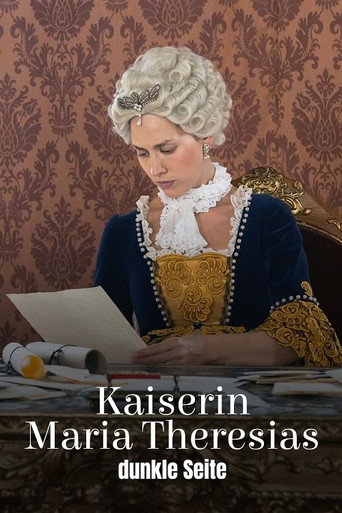
Maria Theresa’s Dark Side
Shortly before Christmas 1744, Vienna, the center of power in the Habsburg Empire, is the scene of a disastrous drama with repercussions for the whole of Europe. Against the spirit of enlightenment and tolerance, the very young Maria Theresa orders the expulsion of the allegedly disloyal Jews from Prague.
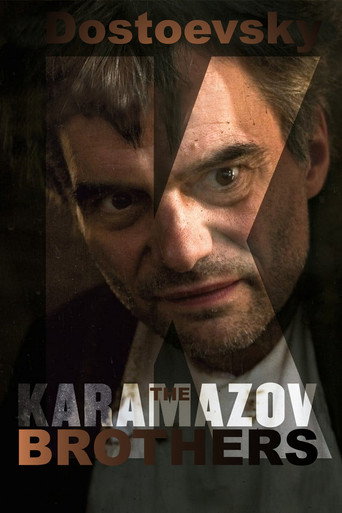
The Karamazov Brothers
Dostoevsky’s latter-day opus about the siblings and their father is among the masterpieces of world literature. It asks profound questions about ethics and religion. Is there a God? Does the devil exist? Is everything allowed because we live in a world without morality? And if so, does patricide even constitute a crime? One of the most interesting adaptations of the material is The Karamazovs by Czech director Petr Zelenka. We witness a group of thesps from Prague on a trip to Krakow in Poland to stage the novel as a play in a derelict steelworks as part of the Closer to Life Festival. The project, however, is born under the bad sign, apparently doomed from the start. When they arrive, the roof is about to cave in, so that the actors are told to wear safety helmets. Their sole consistent audience is a laborer (Andrzej Mastalerz) who rather follows each dress rehearsal than watching over his seven-year-old son who has suffered a tragic accident in the factory.
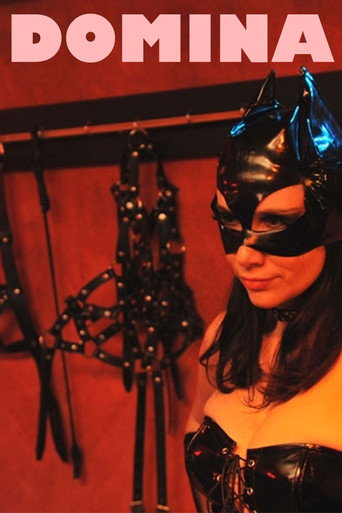
Domina
The district town is reeling from the murder of a well-known local businesswoman. She was found dead one morning, dressed in a revealing costume in a dentist's office. The investigation is entrusted to a pair of detectives, Commissioner Petr Brouček and Commissioner Jaroslav Falta. It is up to them to solve this complex case, which involves a number of well-known local figures and revolves around a local luxury gentlemen's club.
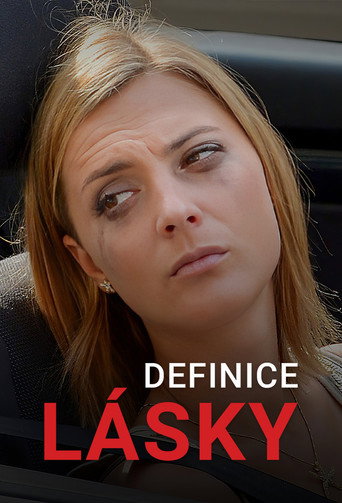
Definice lásky
Ludvík tries in vain to ward off the daily grind and the onset of midlife crisis with adolescent infatuation for an unknown beauty. Katka rejects the puritanical morality of her loved ones and tries to live her own life. At the same time, she desperately searches for a life partner. Láďa is a former sports star experiencing a bitter end to his career. He is accompanied not only by the breakdown of his personal relationships, but also by the collapse of everything that makes life worth living. Helena and Richard are a childless, well-off married couple. Both try touchingly to hide their extramarital love affairs, without realizing that they are already an open secret...
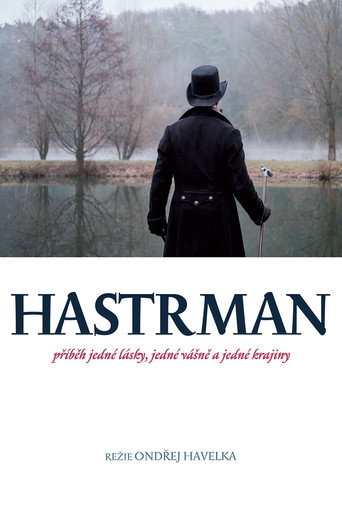
The Hastrman
A strange nobleman returning after years abroad to a small Bohemian village in the beginning of 19th century. The nobleman feels closer to animals despite looking like a human.
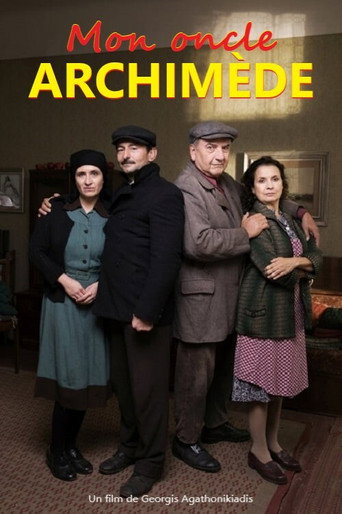
My Uncle Archimedes
Telling the story of Archimedes, one of thousands of refugees who left Greece for Czechoslovakia at the end of the 1940s, as the Greek civil war meant many communist fighters sought refuge in communist countries. Told through the eyes of Archimedes’ grown-up nephew Aris, who recalls how his uncle's life changed when he escaped from Greece to Czechoslovakia with the naive dream of a rosy future under a socialist regime. But all was not as it seemed.
Gallery