Directing
No biography available.
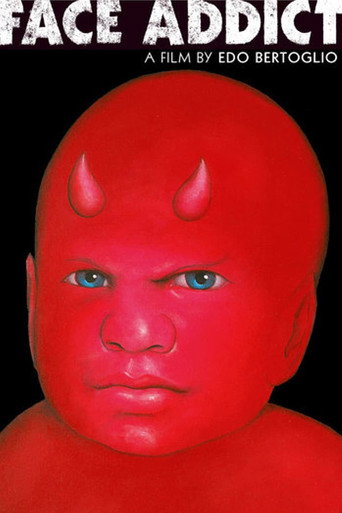
Face Addict tells the story of a unique and unrepeatable experience, that of the artistic community in New York between the late '70s and early '80s, known as the downtown scene.
An exploration of social schizophrenia in which terrorists consult their mothers before planting bombs, and the head of the New York City bomb squad succumbs to his dominatrix.
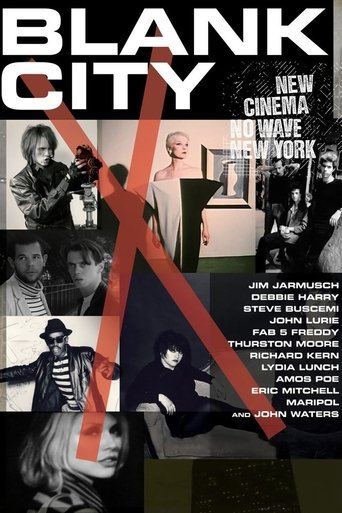
In the years before Ronald Reagan took office, Manhattan was in ruins. But true art has never come from comfort, and it was precisely those dire circumstances that inspired artists like Jim Jarmusch, Lizzy Borden, and Amos Poe to produce some of their best works. Taking their cues from punk rock and new wave music, these young maverick filmmakers confronted viewers with a stark reality that stood in powerful contrast to the escapist product being churned out by Hollywood.
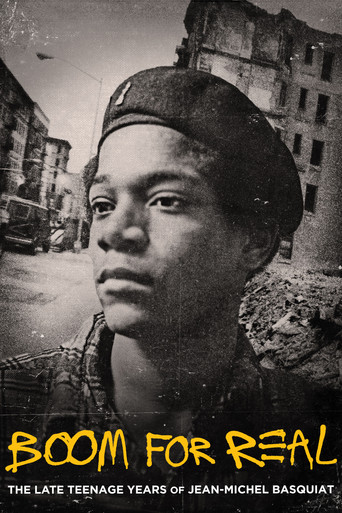
Exploring the pre-fame years of the celebrated American artist Jean-Michel Basquiat, and how New York City, its people, and tectonically shifting arts culture of the late 1970s and '80s shaped his vision.
How to play a melody? A magic moment, unrepeatable. Life is just a bowl of cherries. Film as art as life as film.
“Nares creates a tornado-like catastrophe with a hand-held super-8 camera, a shooting ratio of three to one (about $100 worth of film stock), and remarkable timing…fine filmmaking control is uses to suggest the terror of a world completely beyond personal control…Nares opens up the possibility of metaphor, evoking forces both terrifying and exhilarating.” Amy Taubin
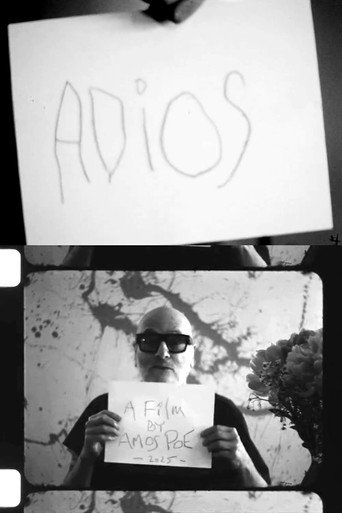
"Shortly after Amos went into home hospice he began filming ‘Adios’, a short film, compiled of 16mm and Super 8 footage, to premiere at his memorial, chronicling all the family and friends who have come to visit. Even Courtney our absolutely wonderful hospice nurse is in it. […] Only twice have we forgotten to film a visitor. Amos designated me the Director of Photography. Since I have to focus and shoot using my bad left eye the joke in our home is that it’s a film by a dying director and a blind DP." – Claudia Summers
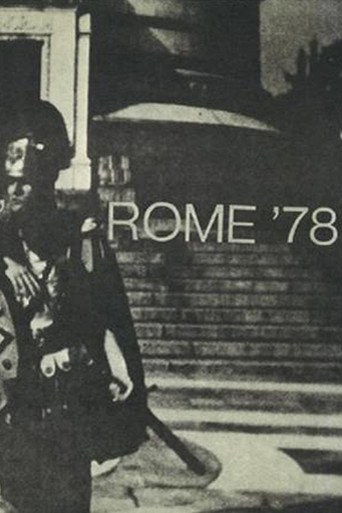
After Rome 78, Nares made a political documentary—a controversial 1980 video interview with an IRA member titled No Japs at My Funeral—but turned to other forms of art for much of the remaining decade, never realizing projects like a feature script he penned with Gary Indiana.
Collage of faces taken from television by James Nares
Nares mocks up Ancient Rome by shooting in faux-classical sites including Tribeca's American Thread Building, where a decrepit penthouse loft with a peeling-paint dome serves as an echoey stand-in for the imperial palace. The latter location required ingenuity: Posing as potential renters, Nares and associates asked the manager to show them the apartment, then unlocked the windows on the way out; a few hours later, they broke back into the space, full cast and crew in tow, to shoot the necessary scenes.
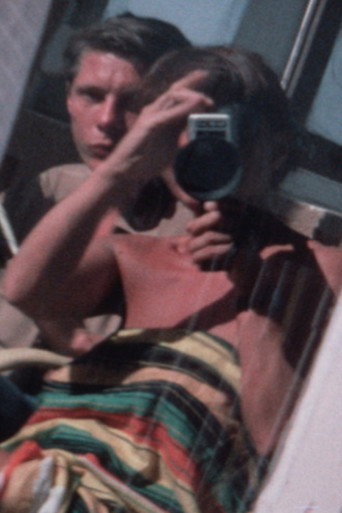
"ARABIAN LIGHTS is the second of only two Super 8mm films deAk is known to have fully edited to completion, and the only work she produced outside the New York club scene. During an extended romantic holiday in Egypt in 1977 with Jamie (then James) Nares, the two young visual artists shared a movie camera and recorded intimate, carefree moments that deAk later edited into this unusual self-portrait. Tourism becomes performance art at legendary historic sites and across the bright desert landscapes as their budding romantic relationship plays out. The film was rarely screened during the period, and MoMA’s new digital preservation is drawn from deAk’s unique original Kodachrome print and a reel of assembled outtakes, both recently acquired for the Museum’s collection." — MoMA
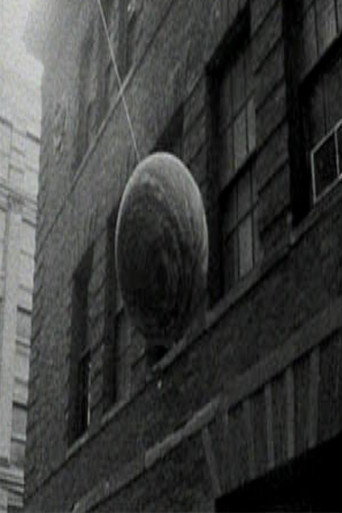
Mini-document of sculptural activity, involving the effects of gravity on weighty objects.
A pendulum swings among old NYC buildings.