Writing
No biography available.
An emotionally charged tale of a disconnected family whose spirits are rekindled with the help of a friend and a shared love of music. In his private moments, Zach Taylor relives his glory days as jazz trumpeter Pepper Taylor.
Meryl Streep conducts us to a trip to New York City as presented in many films during the 20th Century, and how its cultural importance and impact are important to viewers. With a comprehensive gathering of clips from films between 1910's and 1990's, the documentary presents the mandatory classic films that presented the city and its multiple cultural variations, situations and the great stories filmed there. Actors and directors also discuss how they view the city in reality and also through the pictures.
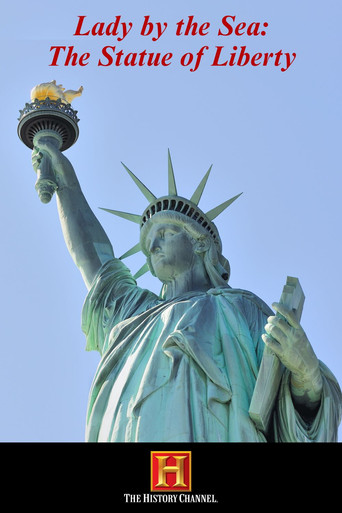
Lady by the Sea: The Statue of Liberty (2004) explores the enduring symbolism of America’s most iconic monument. Directed by Kent Jones and Martin Scorsese, the documentary reflects on the Statue of Liberty’s evolving meaning throughout the twentieth century and in the aftermath of September 11, 2001—examining how she has represented hope, freedom, and resilience to generations of Americans and newcomers alike.
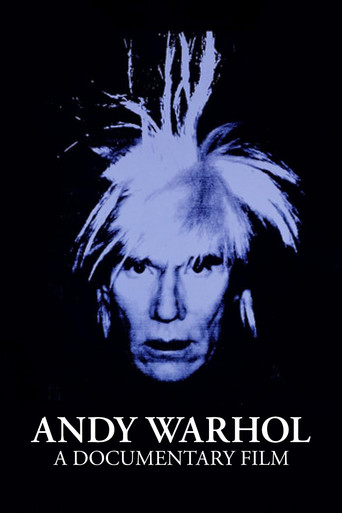
Ric Burns unearths rarely seen footage and offers keen observations on the life and artistic influence of Andy Warhol. [Made for and aired on PBS's American Masters series.]
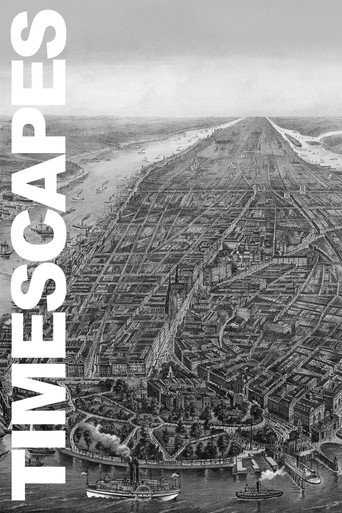
The Museum of the City of New York’s award-winning short documentary explores how New York City grew from a settlement of a few hundred Europeans, Africans, and Native Americans into the metropolis we know today and features animated maps and archival photographs, prints, and paintings from the Museum’s collections. Now expanded and updated, the film's final chapter captures the astonishing – if sometimes challenging – transformations the city has experienced in the first decades of the 21st century.
This short film, culled from the PBS documentary series of the same name, was produced to celebrate the importance and legacy of New York City in the wake of the 9/11 terrorist attacks.
The final installment of the 17+ hour documentary on the history of New York by Ric Burns and James Sanders. The focus of this segment is the World Trade Center and the events of 9/11.
Episode Seven of the New York: A Documentary. In the aftermath of World War II, southern African-Americans moved north and Puerto Rican immigrants poured into the city, a trend which would continue for the next thirty years. Robert Moses waged a campaign of urban renewal, including adding highways to the city, hastening white flight to the suburbs. The destruction of the old Penn Station in 1963 and the protests against Moses's plans for the Lower Manhattan Expressway led to the creation of the New York City Landmarks Preservation Commission, ensuring the survival of New York's most architecturally important buildings and neighborhoods. Social and financial crises in the 1960s and 1970s took a toll on the city, but New York's revival since the 1970s has been enduring.
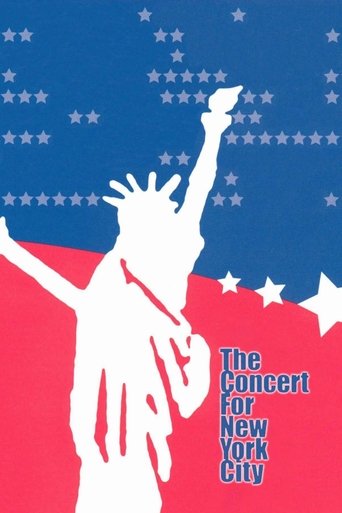
The Concert for New York City (2001) captures the star-studded benefit held at Madison Square Garden on October 20, 2001, honoring the city’s resilience and the heroism of first responders after 9/11. Attended by thousands of firefighters, police officers, and rescue workers, the concert features performances by Paul McCartney, The Who, Elton John, Billy Joel, and other music legends in a powerful tribute to unity, courage, and recovery.