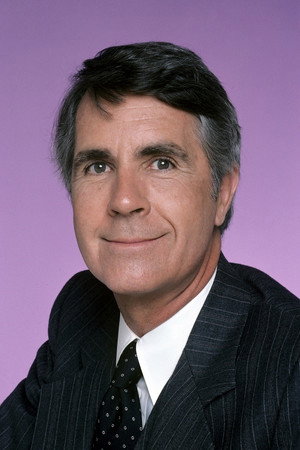
James Noble Movies, TV Shows, and Filmography
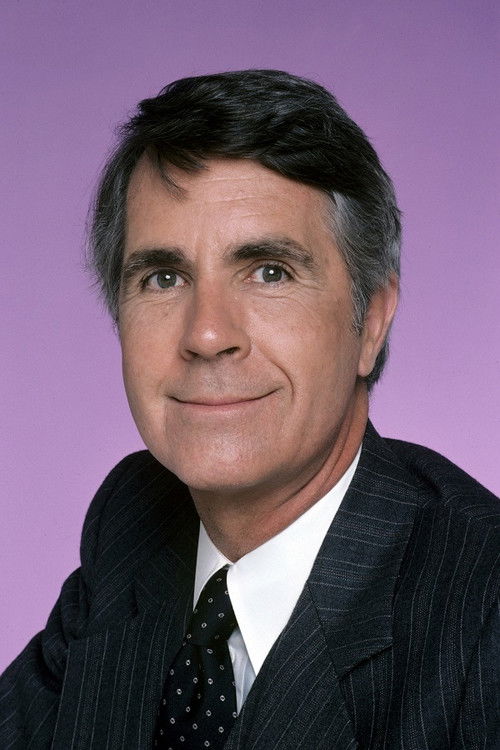
James Noble
Acting
Biography
The son of a Dallas wholesale coal dealer, Noble spent much of his youth attending pool halls and movie houses. He retained his expertise with a pool cue throughout his life, while his stronger interest in acting (fueled by movies) manifested itself in local stage productions and drama studies at Southern Methodist University. Following Navy service in World War II, Noble went to New York to study at the Actors Studio, then went on to a stage revival of Pygmalion wherein he met his future wife, actress Carolyn Coates. The actor appeared on such TV soap operas as As the World Turns (1956), A World Apart (1970) and such Broadway productions as "1776" (a role he took to the movie 1776 (1972)), spending much of his spare time in psychotherapy to handle his ongoing feelings of self-doubt. In films from the mid '70s, Noble principally played small roles as authority figures and politicians (Being There (1979), The Nude Bomb (1980)), with occasional larger roles. such as Bo Derek's father in 10 (1979). In 1979, Noble was cast as the genially absent-minded "Governor Gene Gatling" on the sitcom, Benson (1979), a role in which he remained until the series' 1986 cancellation. Two years later, he resurfaced on TV in the role of a Nebraska-based recording engineer on the very short-lived sitcom, First Impressions (1988).
Filmography Movies
Acting
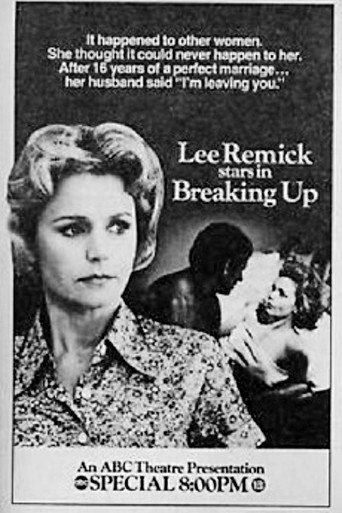
Breaking Up
JoAnn Hammil faces a harrowing fight to rediscover her personal identity when her husband of 15 years announces that he is leaving her and their children to search for the indefinable joy he feels he is missing from his life.

Dempsey
Nominated for two primetime Emmy Awards in 1984, this made-for-TV movie follows the true story of American boxer Jack Dempsey, who became a media sensation in the 1920s as the world heavyweight champion. Based upon the book by Jack Dempsey and Barbara Piatelli Dempsey.
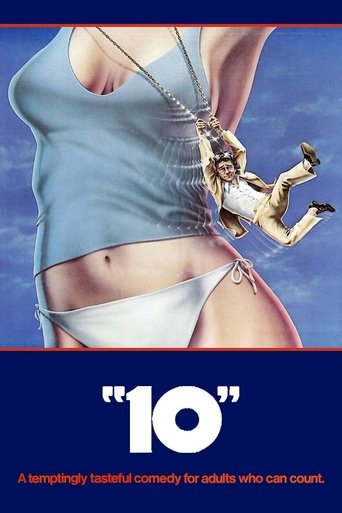
10
A Hollywood songwriter goes through a mid-life crisis and becomes infatuated with a sexy blonde newlywed.

The Day My Kid Went Punk
A nerdy teen makes himself over as a punk rocker, embarrassing his conservative parents in the process.
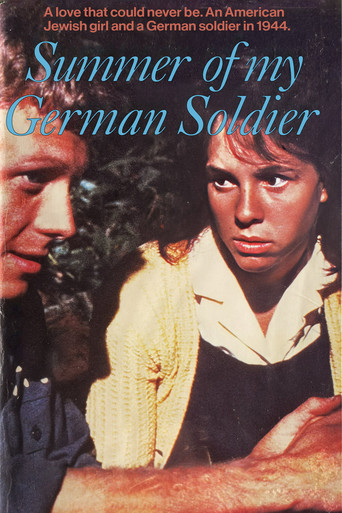
Summer of My German Soldier
Patty Bergen is a teenager in a Jewish family living in the American South during World War II. Patty feels like an outcast even in her own family and is unable to understand why her father can't seem to love her. Her town eventually becomes host to a prisoner of war camp. A young German soldier escapes from this camp, and Patty finds him hiding in her secret place in the woods outside of town. After getting to know him, she ends up harboring him from his captors and, in the way of many adolescents, falls in love with him. Patty knows what she is risking by helping him, but in his company, she feels important, special, and respected as she has never been. In the end, his regard lifts her self-esteem and helps her to face the heartbreaking events to come.
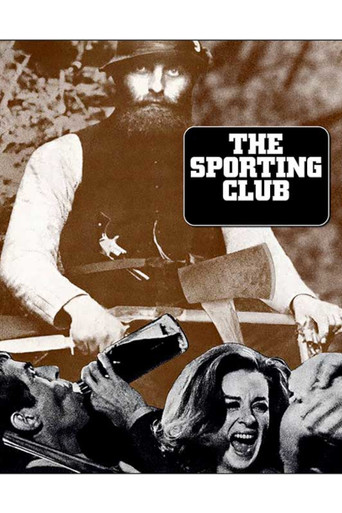
The Sporting Club
The wealthy members of an exclusive backwoods retreat face an existential threat from both a disgruntled former manager as well as a subversive, anarchistic current member.
Dragonfly
A man, recently released from a mental hospital, tries to track down his family.
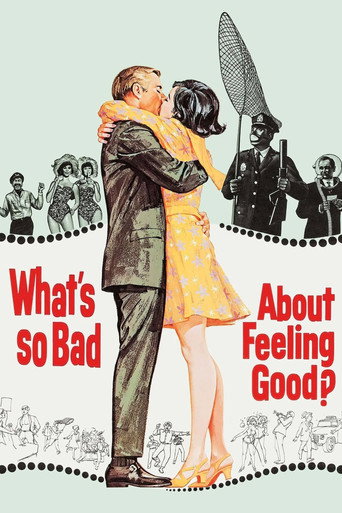
What's So Bad About Feeling Good?
A new infection that simply makes people feel happy is treated as a threat by the authorities while its "victims" work to spread it to others.

Paramedics
Two paramedics are transferred to the nasty part of the city where a gang is killing people to sell their organs.
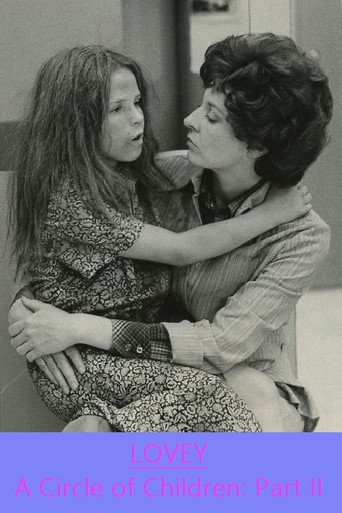
Lovey: A Circle of Children, Part II
A sequel to "A Circle of Children" (1977). A teacher of "emotionally disturbed" children takes on a new student who is considered to be "untrainable" by public school authorities, psychiatrists, and medical doctors. Even the child's own mother, who is very loving, does not have the tools to reach her "hopeless" child. This is the further story of a teacher who understood what it was like to be eight years old and hurt and angry and confused; a teacher who saw these children for who they were, rather than who they seemed to be.
Gallery