Directing
No biography available.
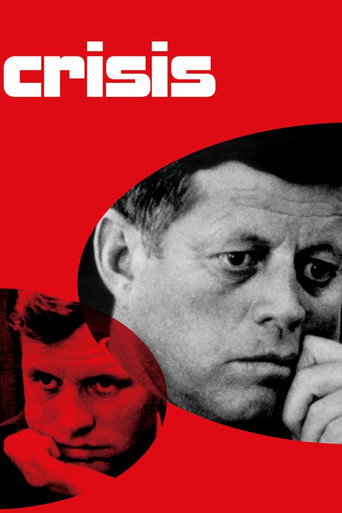
During a two-day period before and after the University of Alabama integration crisis, the film uses five camera crews to follow President John F. Kennedy, attorney general Robert F. Kennedy, Alabama governor George Wallace, deputy attorney general Nicholas Katzenbach and the students Vivian Malone and James Hood. As Wallace has promised to personally block the two black students from enrolling in the university, the JFK administration discusses the best way to react to it, without rousing the crowd or making Wallace a martyr for the segregationist cause. Preserved by the Academy Film Archive in partnership with The Film Foundation in 1999.
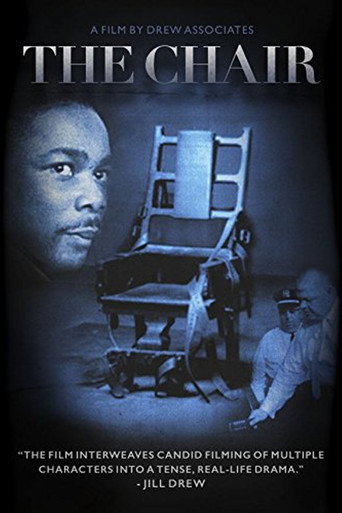
Follows a crusading lawyer as he embarks on a campaign to save an African-American man, Paul Crump, from the electric chair. Preserved by the Academy Film Archive in partnership with The Film Foundation in 2007.
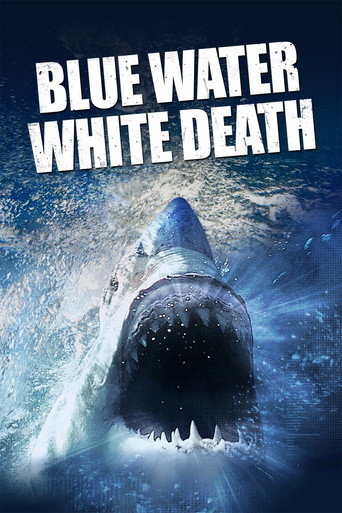
Peter Gimbel and a team of photographers set out on an expedition to find and film, for the very first time, Carcharodon carcharias—the Great White Shark. The expedition lasted over nine months and took the team from Durban, South Africa, across the Indian Ocean, and finally to southern Australia.
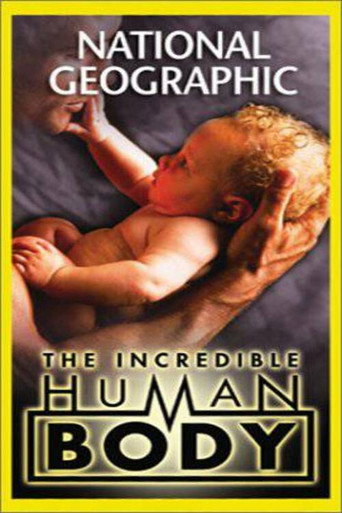
Cutting-edge medical technology and riveting, life-or-death personal dramas combine in this unprecedented, emotionally compelling exploration of The Incredible Human Body.
Documentary focusing on 25 year-old actress Jane Fonda as she and her director Andreas Voutsinas prepare a stage play called The Fun Couple for Broadway.
In 1960, Robert Drew founded his production company Drew Associates; joining him were a number of well-known or soon-to-be well-known documentary filmmakers including Richard Leacock, Albert Maysles and D.A. Pennebaker. Between 1960-63, Drew Associates produced 17 documentary films for television. Aga Khan was part of a 12-film subset of these known as The Living Camera, which were funded by Time and broadcast in syndication around the country. It shows the young Prince Karim at a time when he recently took over as spiritual leader of his Ismaili Muslim community. The film follows him to Switzerland, France and Africa as he steps out of the shadows to lead as the hereditary Imam.
The doc brings us back to a 1961 football game played in front of 40,000 people at the Orange Bowl. A high school football game, pitting Miami High against their rivals from Edison High. The title refers to the coaches of each, and the film follows them separately, with their real families and their clan of players, in the days leading up to the big event. And then at last it astonishingly chronicles the game from all kinds of angles you wouldn’t expect from even the newly mobile tools of the Drew crew. Today’s television coverage doesn’t come nearly as close to capturing the spirit of the sport and its fans the way Lipscomb does here. (Nothing But the Doc)
Robert Drew shows the sights and sounds from the funeral of President John F. Kennedy in November, 1963. Preserved by the Academy Film Archive in 2002.
Petey, a reformed Harlem hood, tries to rehabilitate juvenile gangs and is particularly challenged by a boy named Johnny, who must decide whether to relinquish his role as gang leader and go straight or to continue his present inevitable course to the penitentiary.
A documentary record of the day-to-day existence of a pair of young married heroin addicts. Preserved by the Academy Film Archive in 2009.
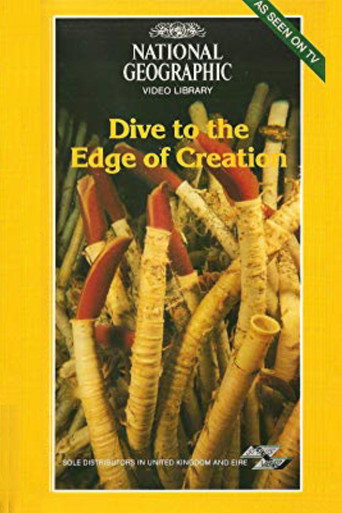
1 hour-long TV special about deep sea exploration of the Galapagos Rift.