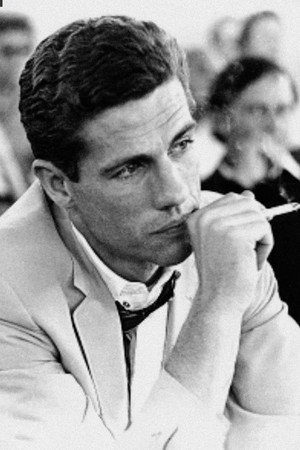
James Blue Movies, TV Shows, and Filmography
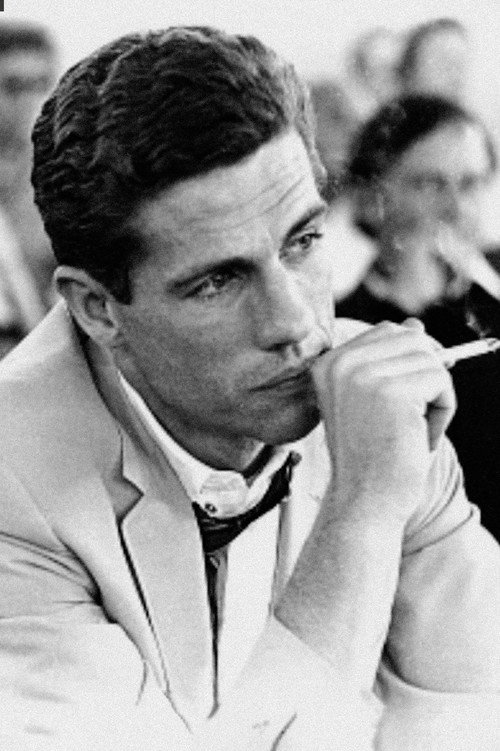
James Blue
Directing
Biography
No biography available.
Filmography Movies
Acting
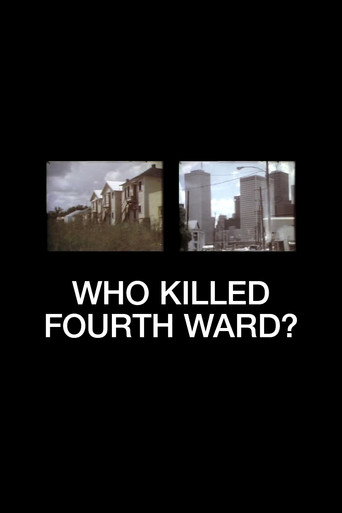
Who Killed Fourth Ward?
Originally founded as Freedman’s Town after the Civil War, The Fourth Ward is one of the oldest and most culturally significant black communities in Houston, Texas. In the 1970s, the city along with big business interests planned to redevelop the Fourth Ward in order to revitalize the dilapidated real estate and freshen the image of downtown Houston. The price of progress in this case would be the removal of many poor black families. The film explores a complex series of encounters with elected city officials, businessmen and the people of Fourth Ward in order to better understand how a city like Houston works. Who makes the decisions about where resources are spent and so determines the growth and wealth of the community.
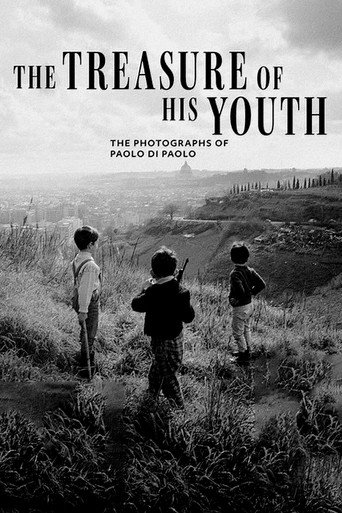
The Treasure of His Youth: The Photographs of Paolo Di Paolo
The life of the legendary Italian photojournalist Paolo Di Paolo through his photographs, which capture the essence of a fascinating and turbulent Italy, the one inhabited by Anna Magnani and Pier Paolo Pasolini, a country that no longer exists.
Production
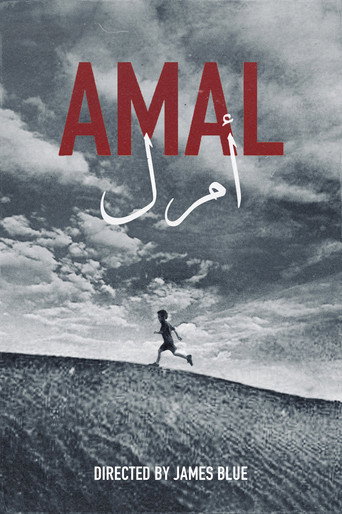
Amal
A sublime documentary on childhood and bereavement that’s one of several shorts the filmmaker completed while working in Algeria for Georges Derocles’s company Les Studios Africa, for whom he would shortly make his breakthrough feature The Olive Trees of Justice.
Who Killed Fourth Ward?
Originally founded as Freedman’s Town after the Civil War, The Fourth Ward is one of the oldest and most culturally significant black communities in Houston, Texas. In the 1970s, the city along with big business interests planned to redevelop the Fourth Ward in order to revitalize the dilapidated real estate and freshen the image of downtown Houston. The price of progress in this case would be the removal of many poor black families. The film explores a complex series of encounters with elected city officials, businessmen and the people of Fourth Ward in order to better understand how a city like Houston works. Who makes the decisions about where resources are spent and so determines the growth and wealth of the community.
Who Killed Fourth Ward?
Originally founded as Freedman’s Town after the Civil War, The Fourth Ward is one of the oldest and most culturally significant black communities in Houston, Texas. In the 1970s, the city along with big business interests planned to redevelop the Fourth Ward in order to revitalize the dilapidated real estate and freshen the image of downtown Houston. The price of progress in this case would be the removal of many poor black families. The film explores a complex series of encounters with elected city officials, businessmen and the people of Fourth Ward in order to better understand how a city like Houston works. Who makes the decisions about where resources are spent and so determines the growth and wealth of the community.
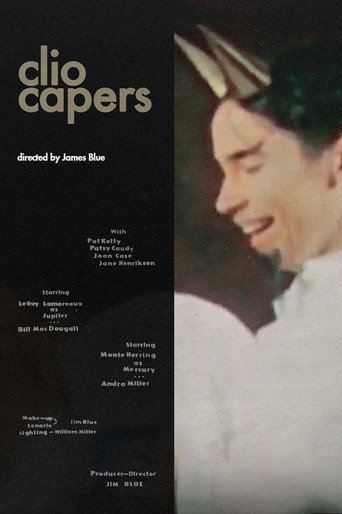
Clio Capers
"Clio Capers" is a short film about the Clio Club, the Latin club James Blue belonged to at Jefferson High School in Portland, Oregon. The film features "Jupiter" and his fellow immortals atop Mt. Olympus looking back through the "Clio scrapbook," actual home movie footage James Blue shot of club activities between 1946-1948. Originally shot on 8mm film. No sound.
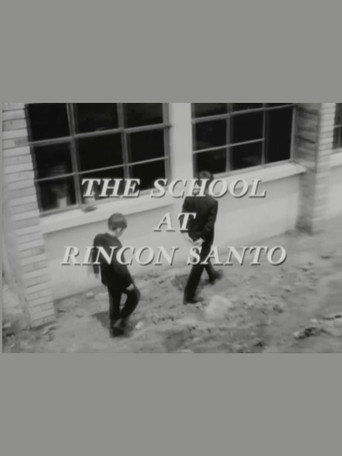
The School at Rincon Santo
"The School at Rincon Santo" (1963) was written, directed, and narrated by James Blue as part of his "Colombia Trilogy." Stevan Larner is the film's cinematographer. Its subject concerns the people of the mountain village of Rincon Santo, Colombia, in which the townspeople came together to build a community school with the support of Alliance for Progress funding. The film was produced by the United States Information Agency (USIA) for audiences outside of the United States.
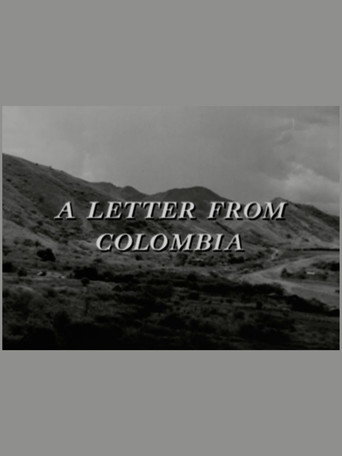
A Letter from Colombia
"A Letter from Colombia" (1963) was written, directed, and narrated by James Blue, with cinematography by Stevan Larner. "This film illustrates the growing awareness by Colombians of the things they can do for themselves with government assistance under the Alliance for Progress program. The film shows the introduction of modern techniques in land reform and public housing and the progress made by the Colombian people. This is the second of three films directed by James Blue for the Alliance for Progress - Colombia" (National Archives). The film was produced by the United States Information Agency (USIA) for audiences outside of the United States.
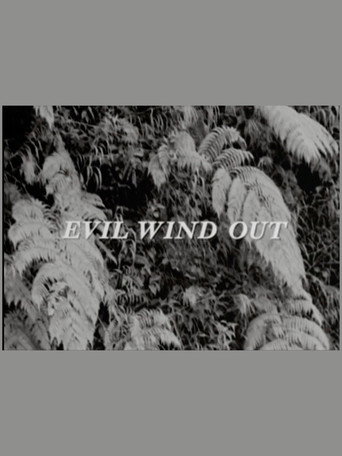
Evil Wind Out
"Evil Wind Out" (1963) was written, directed, and narrated by James Blue, with cinematography by Stevan Larner. "This film shows how a Colombian public health service doctor overcomes superstition in a backward village, and, through health education and proper treatment, he is able to significantly reduce the village's infant mortality rate. This results in a demand for a clinic, which the people of the village build with assistance from the Colombian government under the Alliance for Progress. This is the third of three films directed by James Blue for the Alliance for Progress - Colombia" (National Archives). The film was produced by the United States Information Agency (USIA) for audiences outside of the United States.
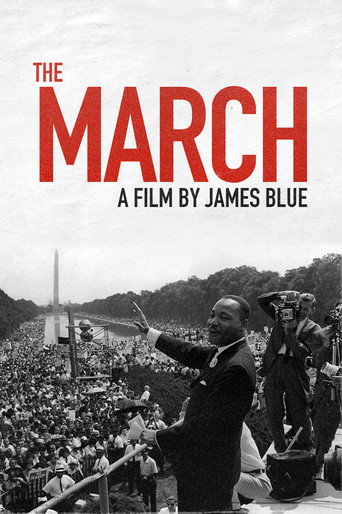
The March
The March, also known as The March to Washington, is a 1964 documentary film by James Blue about the 1963 civil rights March on Washington. It was made for the Motion Picture Service unit of the United States Information Agency for use outside the United States – the 1948 Smith-Mundt Act prevented USIA films from being shown domestically without a special act of Congress. In 1990 Congress authorized these films to be shown in the U.S. twelve years after their initial release. In 2008, the film was selected for preservation in the United States National Film Registry by the Library of Congress as being "culturally, historically, or aesthetically significant". (Wikipedia)
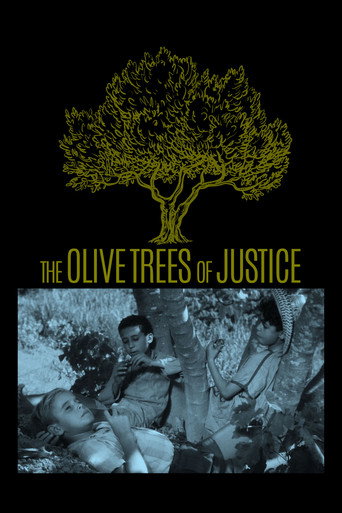
The Olive Trees of Justice
The son of a French colonialist in Algeria returns to Algeria after learning that his father is ill. Memories from childhood return. He also must deal with some problems involving the Algerian fight for independence.
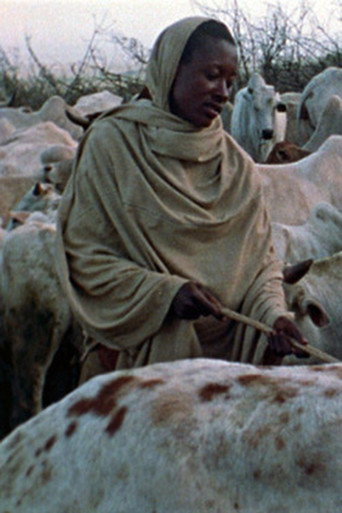
Boran Herdsmen
This film demonstrates the time-honored solutions to the problems associated with the Boran's dependence on cattle for living. Direct government intervention and the indirect impact of modernization are forcing the old patterns to change. The film depicts herding practices, movement patterns, watering strategies, and the lifestyle of the herdsmen. The film has special currency for issues in rural development and agricultural, environmental, and human adaption.
Gallery