James Benning Movies, TV Shows, and Filmography
James Benning
Directing
Biography
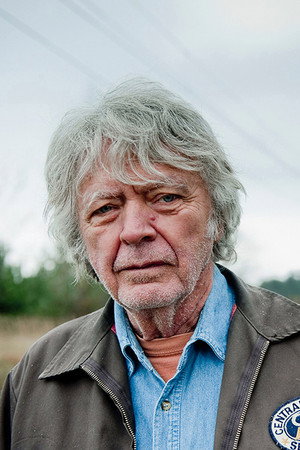
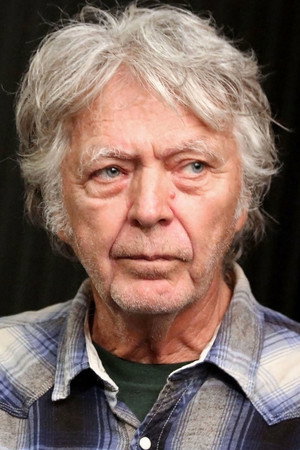
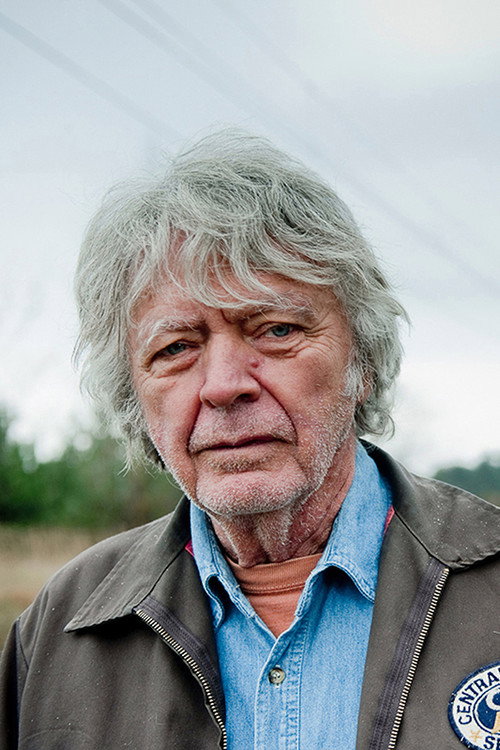
Over the past thirty-five years James Benning (b. 1942) has played a central role in the history of American independent cinema by offering his rigorously structured yet wonderfully graceful films as extended meditations on the American landscape and its social and environmental histories. Benning’s life and work have been shaped by his passionate wanderlust—born in Milwaukee, he lived for intervals in Colorado, the Missouri Ozarks, Illinois and Oklahoma before settling in Val Verde, California in 1987, with car and motorcycle journeys around the country generating such films as I-94 (1975) and Four Corners (1997). His career has been equally restless, ranging from his early experimentation with an avant-garde aesthetic to his embrace, during the 1980s and 90s, of explicitly autobiographical elements and increased human content. With his “California Trilogy” (2000-2001) Benning entered a new phase, refining his formalist style and political concerns while distilling his abiding interest in place and exacting organizational structures.
Filmography Movies
Acting
James Benning: Circling the Image
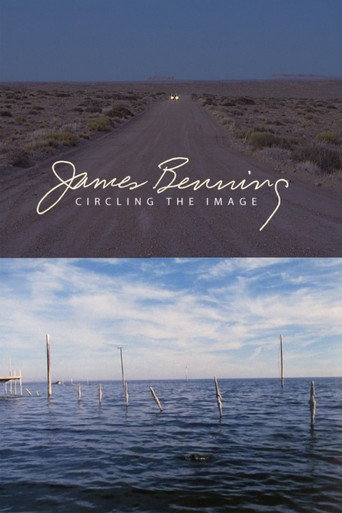
The American filmmaker James Benning has been one of the outstanding exponents of the structural film since the mid-1970s. Bennings artistic position has been strongly influenced by mathematics and by the creativity of mathematical thinking. With his new project 13 Lakes, James Benning goes one step further towards reducing things to a minimum. The film focuses on thirteen large American lakes (including Salton Sea, Lake Powell, and Lake Michigan) along with their geographical and historical relationship to the landscape. This documentary film was occasioned by 13 Lakes, and was shot in California, Arizona, and Utah. It accompanies the artist for a week as he searches for locations and as he films the first two shots for his own film.
Coming to Terms
One day, father makes a shocking decision in a family gathering. The family disagrees with it and against him in the very beginning. However, they make up their mind to support him at the end. A portrait of family disorganization casting the master of experimental film, James Benning.
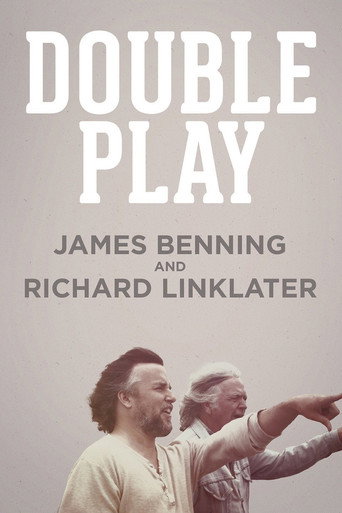
Double Play: James Benning and Richard Linklater
In 1985, former oil rig worker Richard Linklater began a film screening society in Austin, Texas, that aimed to show classic art-house and experimental films to a budding community of cinephiles. Eventually incorporating as a nonprofit, the newly branded Austin Film Society raised enough money to fly in their first out-of-town filmmaker: James Benning. Accepting the invitation, Benning met Linklater and the two began to develop a personal and intellectual bond, leading to many future encounters. Starting in the 1960s, Benning had been creating low budget films mostly on his own, while Linklater had just begun to craft his first shorts. The filmmakers have remained close even as their careers have diverged. After the cult success of Slacker, Linklater went on to make films with Hollywood support. Benning, meanwhile, has stayed close to his roots and is mainly an unknown figure in mainstream film culture.
The United States of America
A conceptual bicentennial film dealing with spatial and temporal relationships between two travelers, their car, and the geographic, political, and social changes from NY to Los Angeles.
thinking of red
A film by James Benning
Used Innocence
Using experimental narrative structure as his vehicle, Benning recreates the sensationalized and controversial circumstances surrounding Lorencia Bembenek, aka "Bambi", former "Playboy bunny" turned cop, turned accused and convicted killer who disappeared after a daring escape from prison. The film shows the evolution of Benning's and Bembenek's relationship presented through their actual letters read in voice over which depict the filmmaker's curiosity with the subject as it evolves from intrigue to a love obsession.
The Great Gatsby in Five Minutes
The Fitzgerald classic as you've never seen it, transposed to a Los Angeles of sleek modern architecture and strip-mall foot clinics.
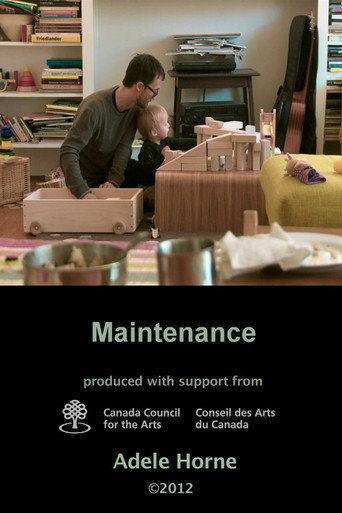
Maintenance
Maintenance is filmmaker Adele Horne’s exploration and meditation on house cleaning. Cleaning is one of the most private things we do in our homes, other than sex and arguments. We often feel shameful about clutter and dirt, so there is something particularly intimate and meticulous about the act of cleaning it up. Although a clean home is socially valued, the work required to achieve it is not. House cleaning exists on the shadow side of the economy, on the margins or outside of paid employment. It is an additional, uncounted form of labour that enables our roles as paid workers and consumers. This film invites viewers to meditate on the ongoing maintenance work that makes other, more highly valued labour possible.
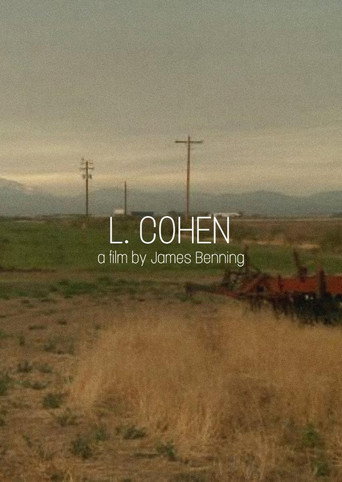
L. Cohen
A view of an Oregon farm field, observing a solar eclipse and incorporating a Leonard Cohen song.
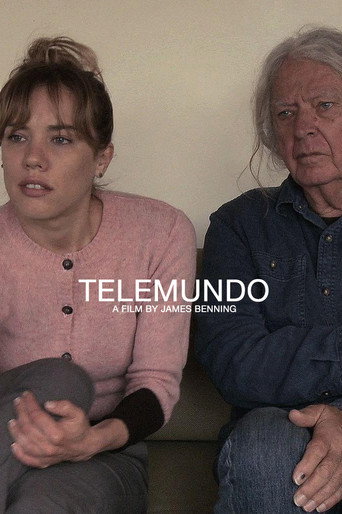
Telemundo
James Benning watches tv with a young girl.
Production
Time and a Half
Twenty-four hours in the life of a factory worker.
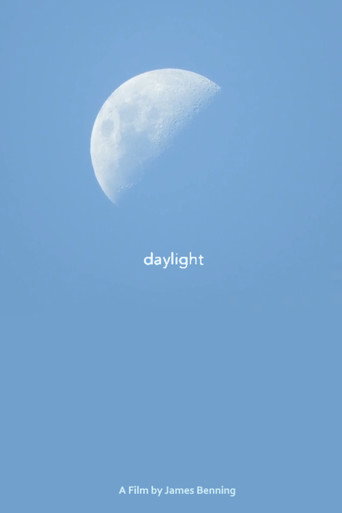
daylight
Benning's 18-minute study of moonfall in the morning sky-- A close cousin to his film "two moons". A lovely rendition of 'Moon River' accompanies the footage, filmed July 24th, 2019.
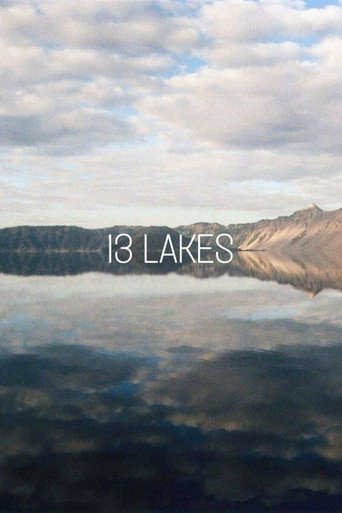
13 Lakes
Shots of 13 great lakes in the USA, with each shot containing half water and half sky or land.
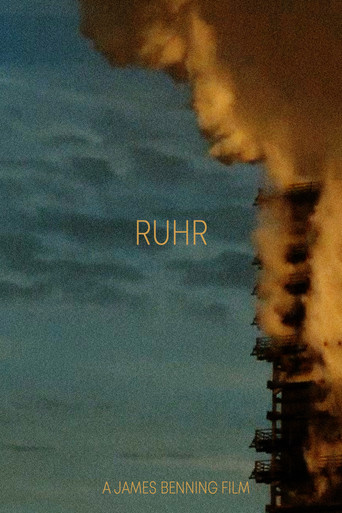
Ruhr
Seven entirely static shots make up James Benning's quiet reflection on existence in the Ruhr Valley.

PLACE
James Benning’s PLACE is a multi-part work that deepens the artist’s longstanding engagement with marginalized artists and creators. Over the course of nine months, Benning traversed the United States in pursuit of traces left by eight so-called ‘outsider artists’.
O Panama
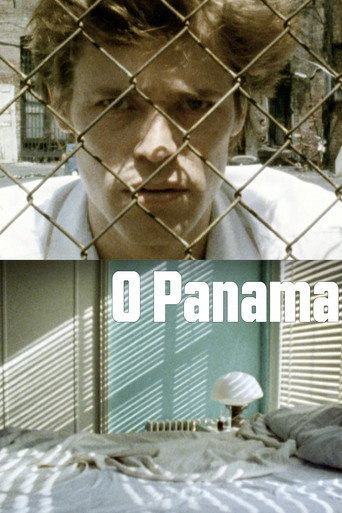
O Panama features a man confined to his apartment on a winter day as he suffers through an illness. Built on the polarity between hot and cold, the tedious reality of the man's sickness and the vivid hallucinatory visions of his delirium, O Panama conveys the workings of the subconscious.
O Panama
O Panama features a man confined to his apartment on a winter day as he suffers through an illness. Built on the polarity between hot and cold, the tedious reality of the man's sickness and the vivid hallucinatory visions of his delirium, O Panama conveys the workings of the subconscious.
O Panama
O Panama features a man confined to his apartment on a winter day as he suffers through an illness. Built on the polarity between hot and cold, the tedious reality of the man's sickness and the vivid hallucinatory visions of his delirium, O Panama conveys the workings of the subconscious.
Deseret
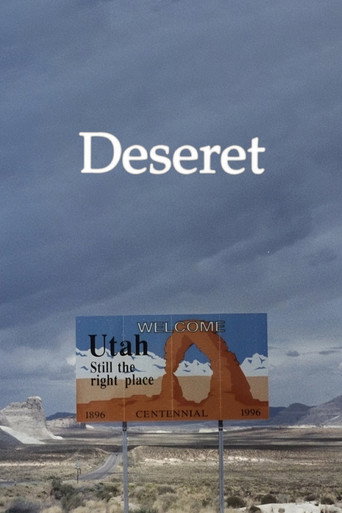
This is multifaceted look at the landscape and history of Utah (or Deseret, as the Mormon Church prefers to call it). Benning condenses 93 news stories from the New York Times from 1852 to 1992 (read offscreen by Fred Gardner) and sets them against contemporary Utah landscapes, the shots changing with each sentence.
Twenty Cigarettes
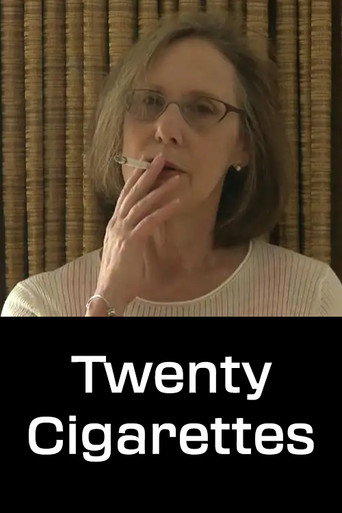
Celebrated for his minimal, monumental landscape studies, James Benning turns to the intimacy of the portrait in his latest film, TWENTY CIGARETTES. Referencing Warhol’s screen tests, 1930s Hollywood glamour, and the disappearing cigarette break, the film captures 20 of Benning’s friends (including filmmaker Sharon Lockhart, cultural theorist Dick Hebdige, and book editor Janet Jenkins) satiating their smoke cravings. Each shot’s length is determined by the time it takes each subject to smoke a cigarette, and over the course of the film a dynamic range of personalities emerges out of an array of physical characteristics, distinctive settings, and personal relationships to the camera. (Amy Beste and Jessica Bardsley)
Gallery