James Arness Movies, TV Shows, and Filmography
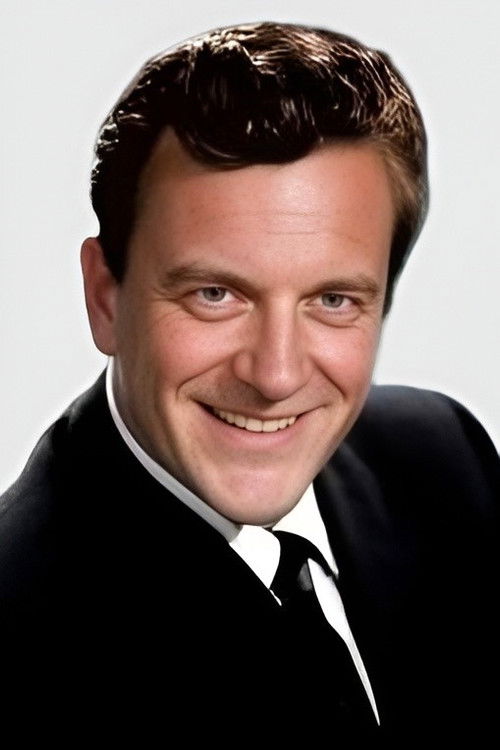
James Arness
Acting
Biography
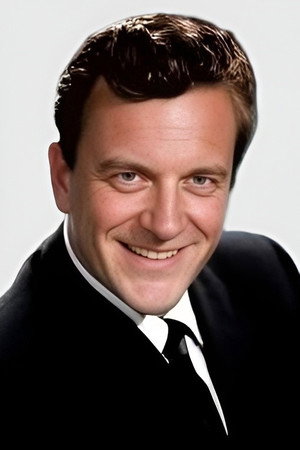
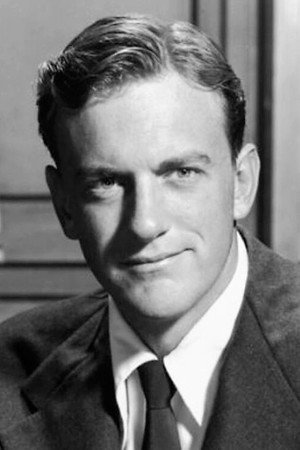
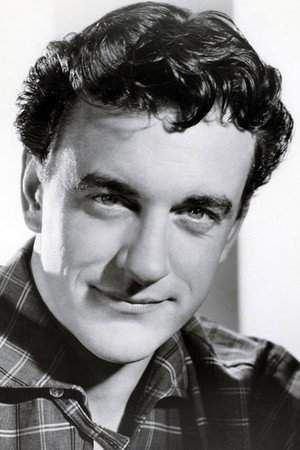
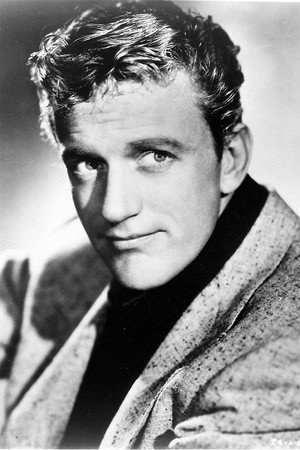
The star of one of the longest-running shows in U.S. television history, Gunsmoke (1955). Born of Norwegian heritage (the family name, Aurness (formerly had been Aursness) in Minneapolis, Minnesota to Rolf and Ruth Duesler Aurness. His father was a traveling salesman of medical supplies and his mother later became a newspaper columnist. James attended West High School in Minneapolis. Although he appeared in school plays, he had no interest in performing, and dreamed instead of going to sea. After high school, he attended one semester at Beloit College before receiving his draft notice in 1943. He entered the army and trained at Camp Wheeler, Georgia, before shipping out for North Africa. After landing at Casablanca, Arness joined the 3rd Infantry Division in time for the invasion of Anzio. Ten days after the invasion, Arness was severely wounded in the leg and foot by German machine-gun fire. His wounds, which plagued him the rest of his life, resulted in his medical discharge from the army. While recuperating in a Clinton, Iowa hospital, he was visited by his younger brother Peter (later to gain fame as actor Peter Graves), who suggested he take a radio course at the University of Minnesota. James did so, and a teacher recommended him for a job as an announcer at a Minneapolis radio station. Though seemingly headed for success in radio, he followed a boyhood friend's suggestion and went with the friend to Hollywood in hopes of getting work as film extras. He studied at the Bliss-Hayden Theatre School under actor Harry Hayden, and while appearing in a play there was spotted by agent Leon Lance. Lance got the actor a role as Loretta Young's brother in The Farmer's Daughter (1947). The director of that film, H.C. Potter, recommended that he drop the "u" from his last name and soon thereafter the actor was officially known as James Arness. Little work followed this break, He appeared in a production of "Candida", and married his leading lady, Virginia Chapman. He began to get small roles with frequency, often, due to his size, villainous characters. Most notable among these was that of the space alien in The Thing from Another World (1951). While playing a Greek warrior in a play, Arness was spotted by agent Charles K. Feldman, who represented John Wayne. Feldman introduced Arness to Wayne, who put the self-described 6' 6" actor under personal contract. Arness played several roles over the next few years for and with Wayne, whom he considered a mentor. In 1955, Wayne recommended Arness for the lead role of Matt Dillon in the TV series Gunsmoke (1955). (Contrary to urban legend, Wayne himself was never offered the role.) Arness at first declined, thinking a TV series could derail his growing film career, but Wayne argued for the show, and Arness accepted. After the cancellation of "Gunsmoke" in 1975, Arness took on another successful Western project, "How The West Was Won." A brief modern police drama, McClain's Law (1981), followed, and Arness played his mentor John Wayne's role in Red River (1988), a remake of the Wayne classic.
Filmography Movies
Acting
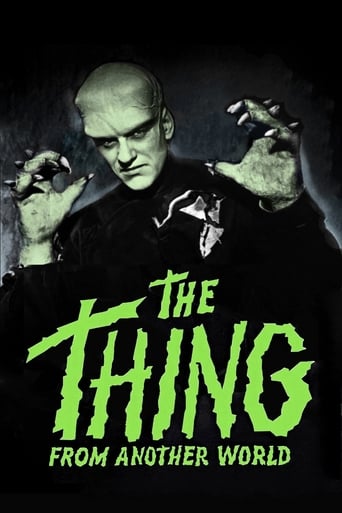
The Thing from Another World
Scientists and US Air Force officials fend off a blood-thirsty alien organism while investigating at a remote arctic outpost.
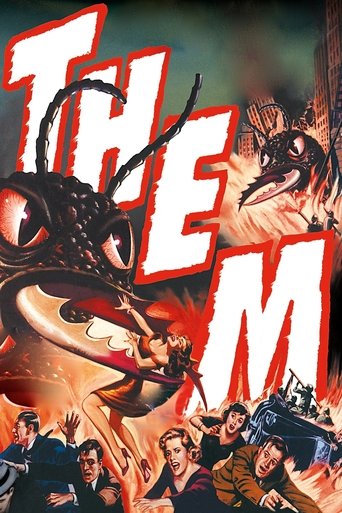
Them!
As a result of nuclear testing, gigantic, ferocious mutant ants appear in the American desert southwest, and a father-daughter team of entomologists join forces with the state police officer who first discovers their existence, an FBI agent and, eventually, the US Army to eradicate the menace, before it spreads across the continent — and the world.
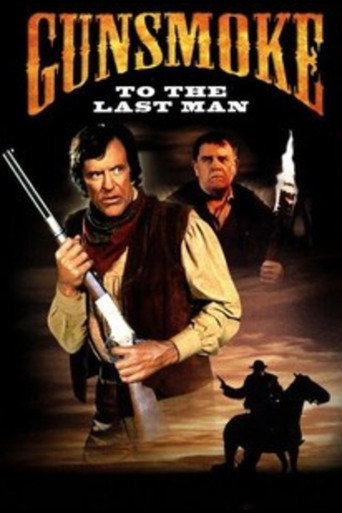
Gunsmoke: To the Last Man
Retired marshal Matt Dillon tracks Arizona rustlers and lands in the middle of the 1880s Pleasant Valley War.
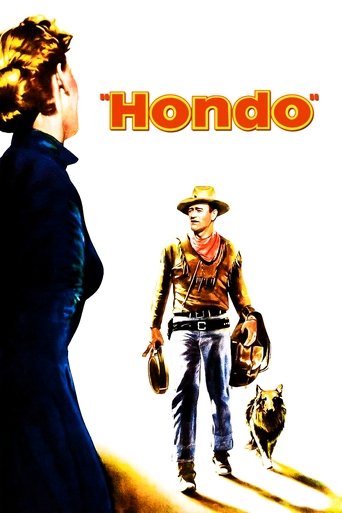
Hondo
Army despatch rider Hondo Lane discovers a woman and her son living in the midst of warring Apaches, and he becomes their protector.
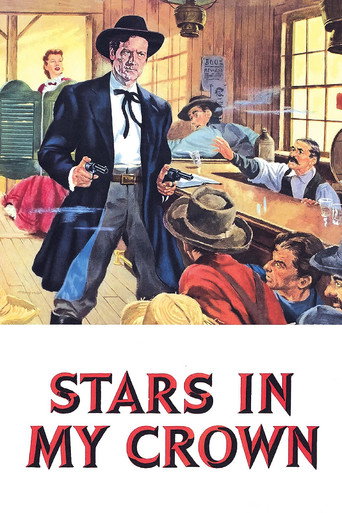
Stars in My Crown
An orphaned man recalls his upbringing with his aunt and her husband, the parson, in a small Western town during the Reconstruction.
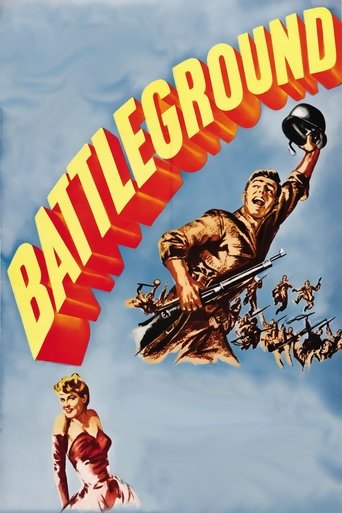
Battleground
Members of the U.S. Army's 101st Airborne Division are fighting for their country amidst the rugged terrain of Bastogne, Belgium, in December 1944. Holley and his American compatriots have already seen one of their own, Roderigues, perish under enemy fire. The men try to rebuff another series of Nazi attacks, but what they really need is a change in the weather. Without clear skies, they'll never get the air support they need.
The Horror Show
A history of horror movies.
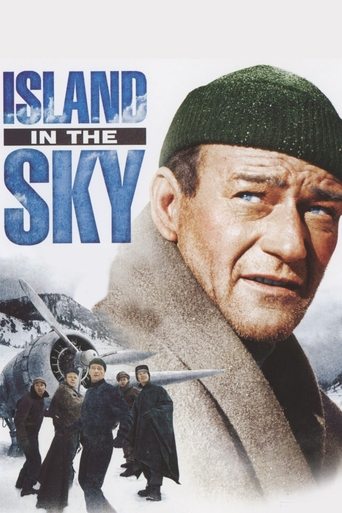
Island in the Sky
A C-47 transport plane, named the Corsair, makes a forced landing in the frozen wastelands of Labrador, and the plane's pilot, Captain Dooley, must keep his men alive in deadly conditions while awaiting rescue.
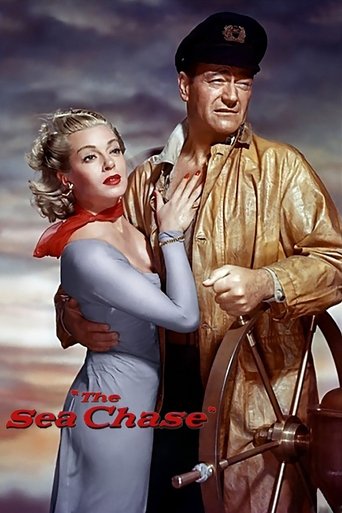
The Sea Chase
As the Second World War breaks out, German freighter captain Karl Ehrlich is about to leave Sydney, Australia with his vessel, the Ergenstrasse. Ehrlich, an anti-Nazi but proud German, hopes to outrun or out-maneuver the British warship pursuing him. Aboard his vessel is Elsa Keller, a woman Ehrlich has been ordered to return to Germany safely along with whatever secrets she carries. When Ehrlich's fiercely Nazi chief officer Kirchner commits an atrocity, the British pursuit becomes deadly.
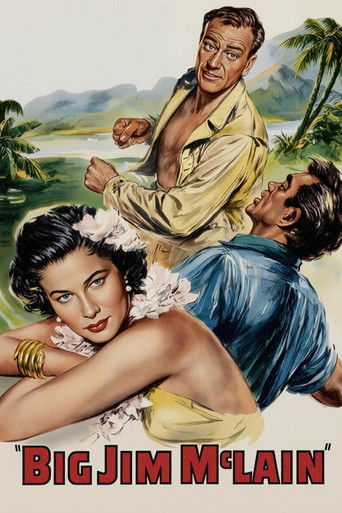
Big Jim McLain
House Un-American Activities Committee investigators Jim McLain and Mal Baxter come to post war Hawaii to track Communist Party activities even though belonging to the party was legal at the time. They are interested in everything from insurance fraud to the sabotage of a U.S. naval vessel.
Production
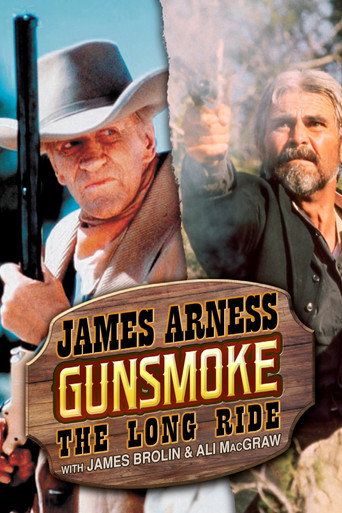
Gunsmoke: The Long Ride
For thirty years, Marshall Matt Dillon fought to preserve the law in Dodge City… now, he's wanted for murder and fighting to clear his name. Three deputies ride up with a warrant for Dillon's arrest, a wealthy mine operator has been gunned down in cold blood and an eyewitness says Dillon was the murderer.
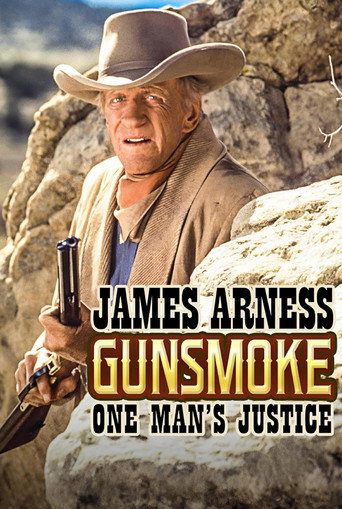
Gunsmoke: One Man's Justice
Retired marshal Dillon goes after a 15 year old boy who is determined to kill the men responsible for the murder of his mother during a stagecoach robbery
Gallery