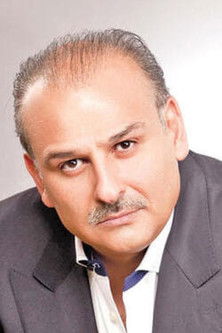
Jamal Soleiman Movies, TV Shows, and Filmography
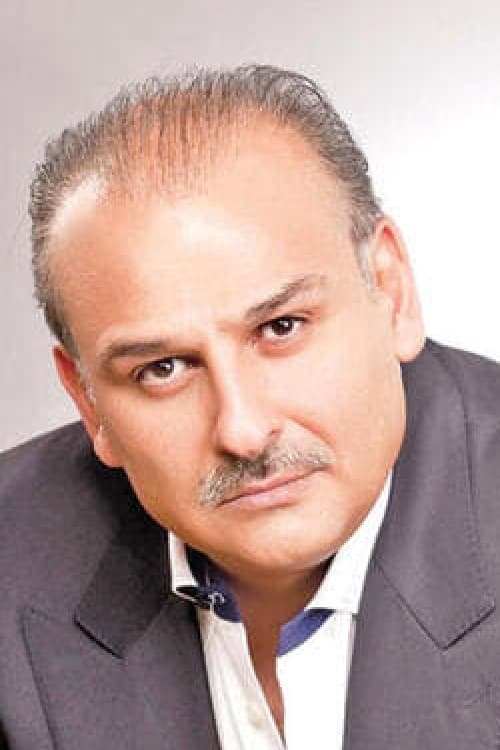
Jamal Soleiman
Acting
Biography
Jamaal Soualymaan is a is a prominent Syrian-born producer, director and actor of television, film, and stage. He was born in 1959 in the Syrian capital of Damascus. Soulaymaan studied at the acting department of the Higher Institute of Dramatic Arts in Damascus. He started his career acting on stage and producing television series. He then continued his studies in Britain and obtained a Masters degree in theatrical studies from Leeds University. “Kessat mawt mo’lan i.e. The story of a foretold death”, “’Azeezy Maraat al-meskeen i.e. Dear poor Marat”, “Monamnamaat tareekheyya i.e. Historical miniatures”, “Al-kamaan al-sehry i.e. The magic violin”, “Khaadem sayyedayn i.e. A servant for two masters” and “Al-Motanabby” are among his famous stage plays. Among his most important silver screen appearances are; “’Aaed ila Haifa i.e. Returning to Haifa”, “Al-motabakky i.e. The remaining” and “Al-terhaal i.e. The departure”. In TV, Jamaal participated in a large number of series such as; “Al-thorayya i.e. The Chandelier”, “Al-mahkoum i.e. The convict”, “Shabakat al-‘enkaboot i.e. The spider’s web”, “Al-Doghry”, “Ekhtefaa rajol i.e. A man’s disappearance”, “Khaan al-hareer i.e. The silk market”, “Al-fossoul al-arba’a i.e. The four seasons”, “Hejrat al-koloub ilal-koloub i.e. The hearts-to-hearts migration”, “Shaam Shareef” and “Al-taghreeba al-Felastineyya i.e. The Palestinian estrangement”. Jamaal Soulaymaan was appointed Ambassador of the United Nations Population Fund in 1999.
Filmography Movies
Acting
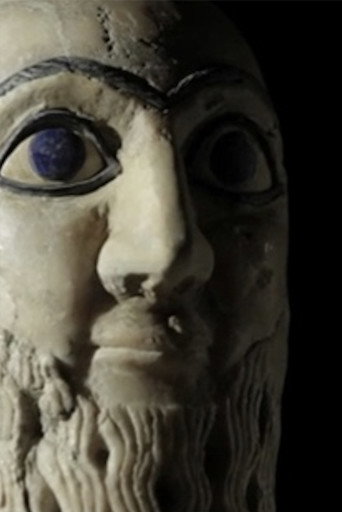
Windows of the Soul
A documentary film about Syria with its diverse civilizations and history. Where the hero of the film gets lost between his questions about history, culture, and identity, and his attempts to see the story of Syrian history. In the film, the narrator takes us on a journey through Syrian history that diversifies into five basic civilizational shifts, from the agricultural revolution to writing and the emergence of cities to trade until the advent of Christianity and up to the cultural achievement of Islamic civilization.
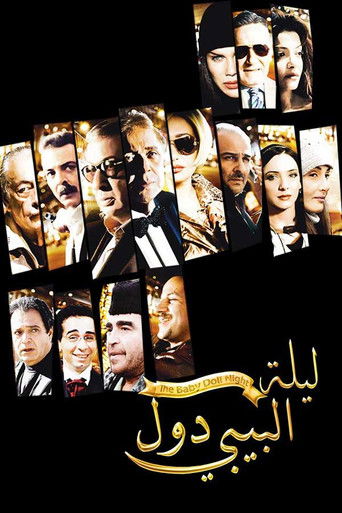
The Baby Doll Night
Hossam, an Egyptian tour guide working in the US, comes to Egypt on vacation during New Year's Eve and hopes to spend a romantic night with his wife in their hotel. Unbeknownst to him, Awadain the terrorist who has other plans for the hotel that night.
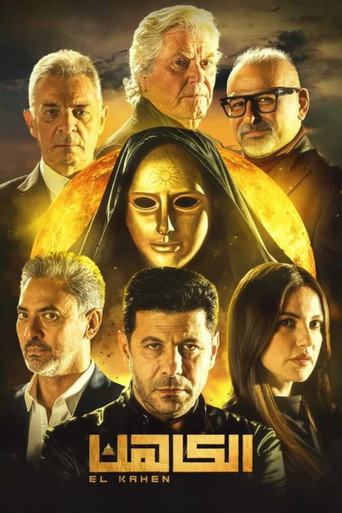
The Priest
The events revolve around the journalist Fairouz, who suffers from her husband's psychological issues, and as a mysterious murder occurs, the couple's life turns upside down.
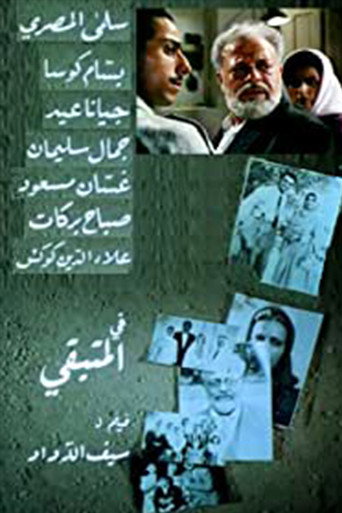
That Which Remains
Based on Ghassan Kanafani's novel, 'Returning to Haifa,' this film, set in 1967, centres on a Palestinian couple who return to the war-torn city to search for their young son Farhan, whom they were forced to abandon when fleeing Zionist acts of terrorism in 1948. Saeed and Atefeh's own house has even been taken over by a Polish Jewish family, who, it transpires, are holding Farhan hostage. It is up to the couple, with the assistance of Farhan's steely grandmother, to find a way to reclaim their lost son. One of the few Iranian films to tackle the Palestinian issue from a historical perspective, this stunning piece of work from Seifollah Daad features meticulous attention to period detail and moving performances.
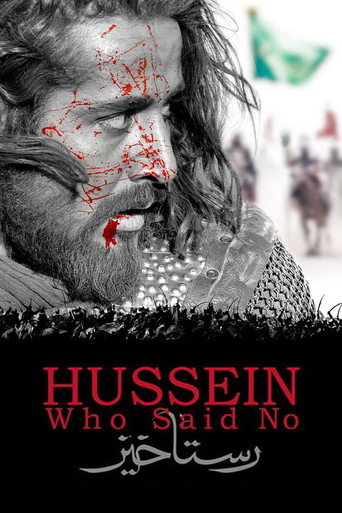
Hussein Who Said No
The story of Imam Hossein's battle in Karbala, an unfair war which made one the most important effects in Islam history.
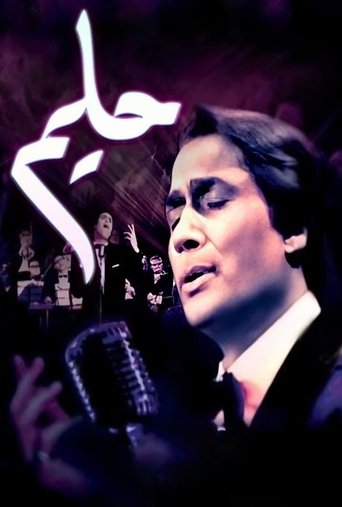
Halim
The film displays the life of legendary singer(Abd Alhalim Hafez) in various stages. Depicting many sides of his artistic and personal life since his early childhood.
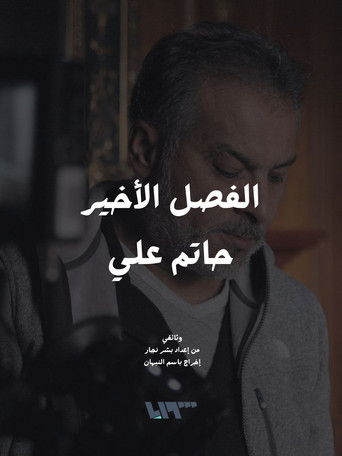
The Final Chapter - Hatem Ali
A documentary about the life of the late Syrian director Hatem Ali, featuring his directorial vision and the difference he made in the Syrian and Arab Television. Prepared by Bisher Najjar and produced by Syria TV.
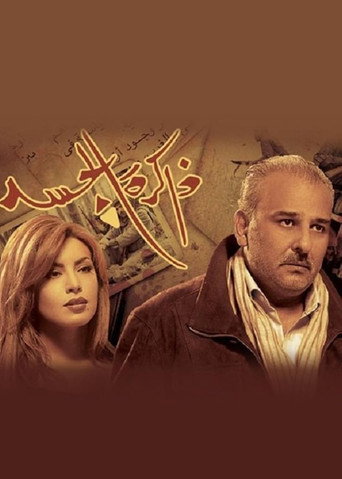
Memory in the Flesh
The story, spanning more than four decades of Algerian history, from the 1940s to the 1980s, revolves around a love affair between Khaled, the middle-aged militant, and Hayat, the writer and daughter of his friend, all brilliantly told through Khaled's voice.
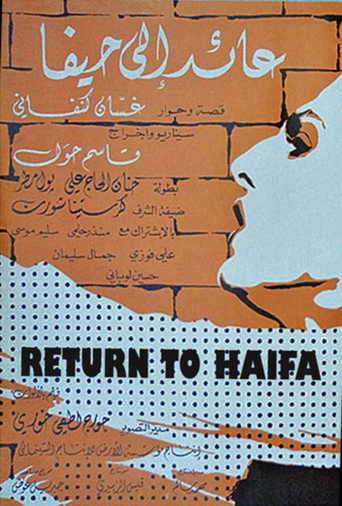
Return to Haifa
Return to Haifa is based on Kanafani’s novel the plot of which takes place in 1967, when Palestinian refugees living in the newly occupied territories had an opportunity to visit the places from which they had been expelled in 1948.
Al Ekhteyar 3 Al Qarar
This season depicts the events Egypt witnessed in the years following the January 25 Revolution, leading to the Muslim Brotherhood's rise to power, and the crises that afflicted Egypt during that period causing a state of popular anger against the group and Mohamed Morsi, which ended in the outbreak of the June 30 Revolution.
Gallery