Writing
No biography available.
The White House is one of America’s most iconic buildings; it is a symbol of shared national history and is home to the most powerful person on Earth. Here, the president charts the course for the country, and the First Family lives in the spotlight. It's a home, an office, and a museum. It's a bunker in times of war, a backdrop for command performances or state visits, and the heart of the American body politic.
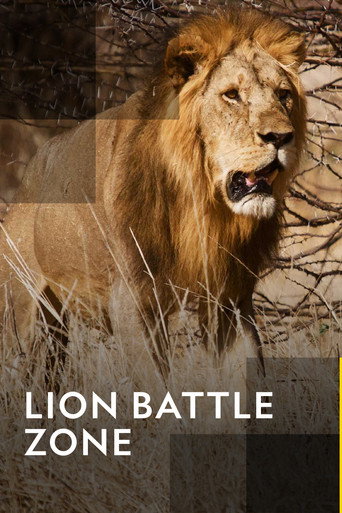
Five lion prides in Africa compete for scare food and each have adopted their own style of hunting. Follow them as they take down everything from buffalo to giraffes. Only the most cunning and capable will survive.
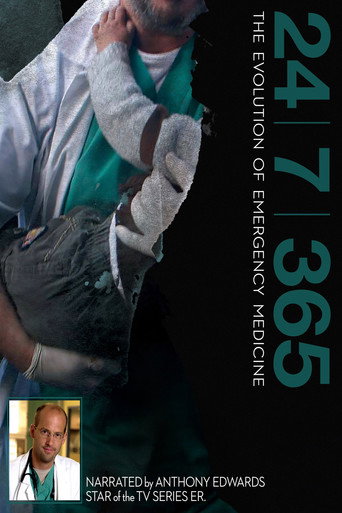
An accident occurs and we dial 911, an ambulance arrives and we are taken to a fully equipped Emergency Room staffed with specifically trained Emergency Room Doctors. Forty years ago, that was not the case. How did we get here? Our film explores the dramatic history of modern Emergency Medicine, told by its maverick founders, in their own words. The historic take on the specialty allows us to contrast where Emergency Medicine is today with where it began, not too long ago.
Learn about "white hat" hackers, the U.S. Secret Service's cyber crime division working to protect us from the risks associated with persistent connectivity.
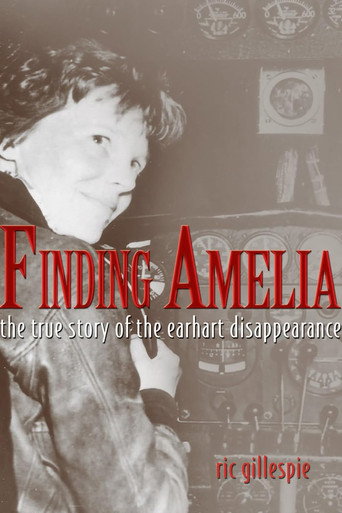
Finding Amelia follows Ric Gillespie and his team as they travel to Nikumaroro, a remote Pacific island 350 miles from Amelia's last known location. This is where they believe Amelia landed her plane, lived, and died as a castaway.
Hummingbirds are the tiniest of birds, yet they are some of the toughest, most energetic creatures on the planet. Their unique flying abilities give them unmatched maneuverability, but at the cost of a supercharged metabolism that keeps them on the edge of survival. Hummingbirds spend most their lives in fast forward, but now high-speed video lets us enter their world.
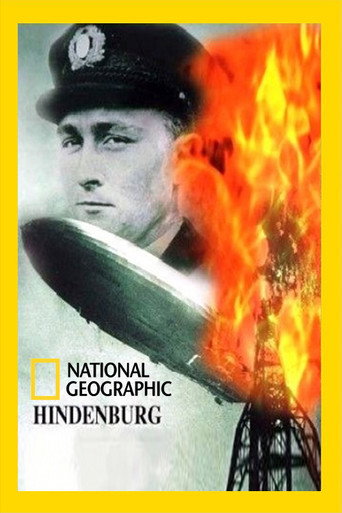
The National Geographic Society explores the mysterious and dramatic Hindenburg explosion of May 1937 in Lakehurst, New Jersey, USA. The Hindenburg was the largest German Zeppelin that carried passengers, crew, luggage, mail, and a heavy loaf duel. Much like the Titanic, it was revered for its size as well as lavish accommodations. It had made ten round trips between Germany and the United States before its demise.
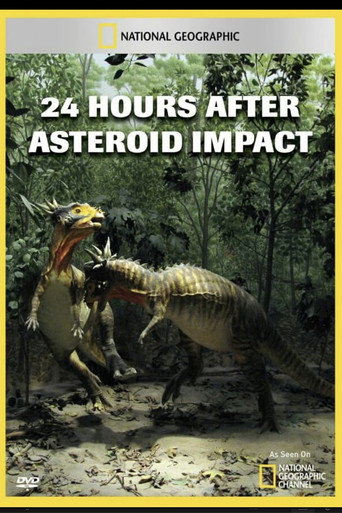
Travel back 66 million years ago when a meteor struck the Earth, wiping out three-quarters of all life on the planet. What happened in those first hours? Why did some creatures survive while nearly all others perished? Using computer graphics and real-world recreations, National Geographic reveals the likely effects of the catastrophic impact that changed the world forever and examines who won, who lost, and why.
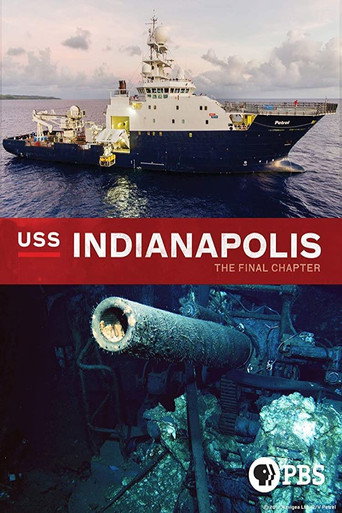
The discovery of the USS Indianapolis wreck site, 18,000 feet below the Philippine Sea, is detailed. The ship's sinking during World War II was the largest loss of life in U.S. Naval history.