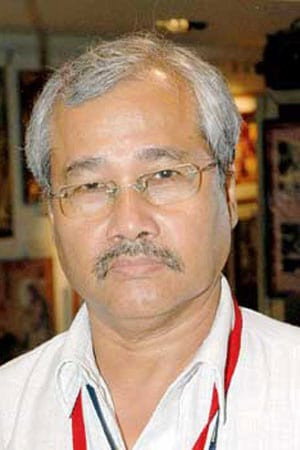
Jahnu Barua Movies, TV Shows, and Filmography
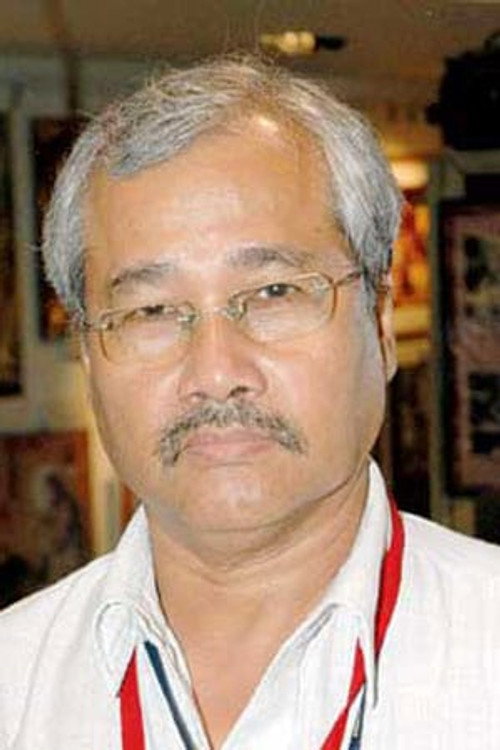
Jahnu Barua
Directing
Biography
Jahnu Barua is a multiple national and international award-winning Indian film director from Assam He has directed a number of Assamese and Hindi films, and along with Bhabendra Nath Saikia was one of the pioneers of Assamese Art cinema.
Filmography Movies
Production
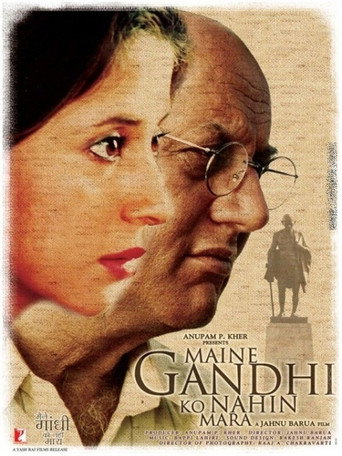
Maine Gandhi Ko Nahin Mara
Once known for his intellectual prowess, a retired professor (Anupam Kher) begins experiencing memory gaps and periods of forgetfulness. But while he tries to laugh it off, it soon becomes clear that the symptoms are a sign of a more serious illness, prompting his grown daughter (Urmila Matondkar) to move in as his caretaker. Meanwhile, as his mind regresses, he recalls a traumatic childhood memory involving the death of Mahatma Gandhi.
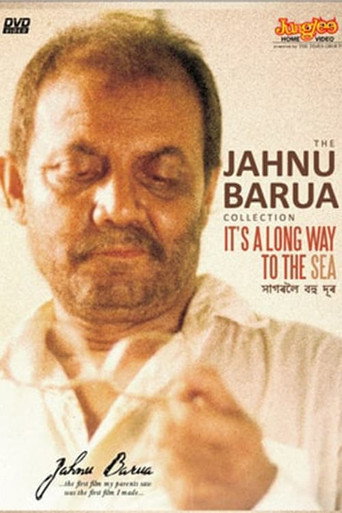
It's a Long Way to the Sea
Powal is a boatman in Nemuguri village that is situated on the bank of the river Dihing. Since there is no bridge at that point of the river, Powal's job is assured. For some three generations his forefathers have been ferrying people to and fro. Life goes on smoothly until Powal begins to hear persistent reports about a bridge to be built across the river.
It's a Long Way to the Sea
Powal is a boatman in Nemuguri village that is situated on the bank of the river Dihing. Since there is no bridge at that point of the river, Powal's job is assured. For some three generations his forefathers have been ferrying people to and fro. Life goes on smoothly until Powal begins to hear persistent reports about a bridge to be built across the river.
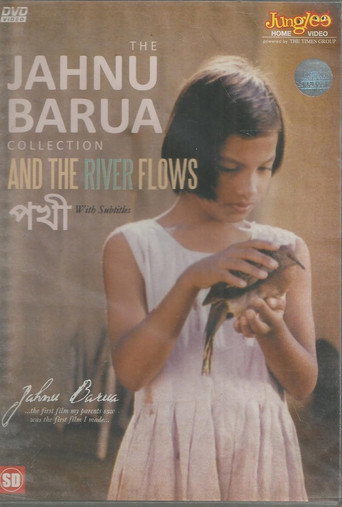
Pokhi
Pokhi (Assamese: পখী) is an Assamese language drama film directed by Jahnu Barua. It was released in 1998 as is the second instalment of his trilogy — the other two being Xagoroloi Bohu Door (1995) and Konikar Ramdhenu (2003). Pokhi won a National Award for Best Feature Film in the Assamese Category in 2000.
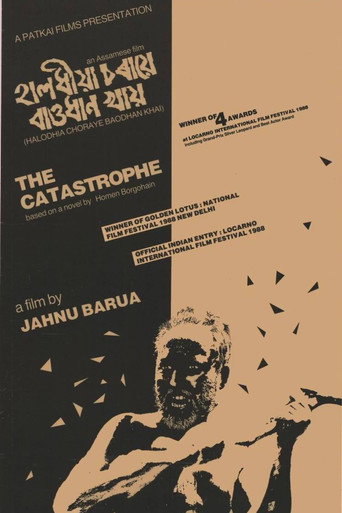
The Catastrophe
Rakeshwar Bora, a simple Assamese farmer, faces ruin when a greedy landlord deceitfully claims his ancestral land by demanding a mortgage receipt that was never provided. To afford the steep bribes required by a corrupt legal system, Bora is forced to sell his livestock and send his young son to work as a servant for the same landlord. His ultimate humiliation occurs when financial desperation forces him to hang political banners praising the very man who destroyed his livelihood.
Firingoti
The story is set in 1962, the time of Sino-India war. It revolves around a widowed teacher named Ritu who is transferred to Koronga, a small Assamese village. The school here was destroyed by fire ten years earlier. Ritu takes on the challenge of rebuilding the school and starts campaigning among the villagers.
Firingoti
The story is set in 1962, the time of Sino-India war. It revolves around a widowed teacher named Ritu who is transferred to Koronga, a small Assamese village. The school here was destroyed by fire ten years earlier. Ritu takes on the challenge of rebuilding the school and starts campaigning among the villagers.
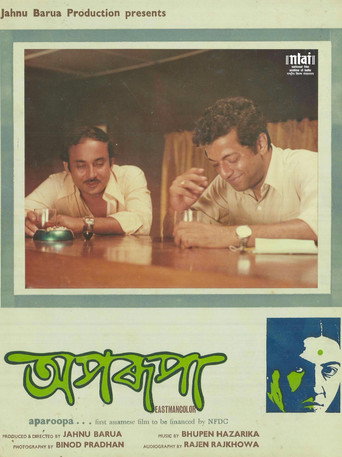
Aparoopa
Set in the tea plantations of Assam in northeast India, where a young woman quits her studies to marry a wealthy man whom her father owes money. The monotony of her days is broken by the arrival an old university acquaintance.
It's a Long Way to the Sea
Powal is a boatman in Nemuguri village that is situated on the bank of the river Dihing. Since there is no bridge at that point of the river, Powal's job is assured. For some three generations his forefathers have been ferrying people to and fro. Life goes on smoothly until Powal begins to hear persistent reports about a bridge to be built across the river.
It's a Long Way to the Sea
Powal is a boatman in Nemuguri village that is situated on the bank of the river Dihing. Since there is no bridge at that point of the river, Powal's job is assured. For some three generations his forefathers have been ferrying people to and fro. Life goes on smoothly until Powal begins to hear persistent reports about a bridge to be built across the river.
Gallery