Jafar Panahi Movies, TV Shows, and Filmography

Jafar Panahi
Directing
Biography
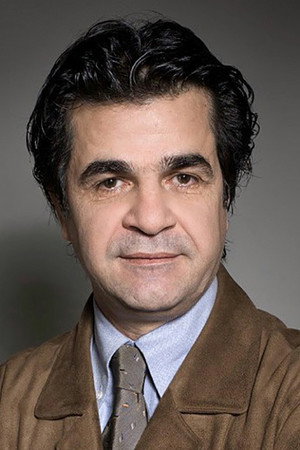
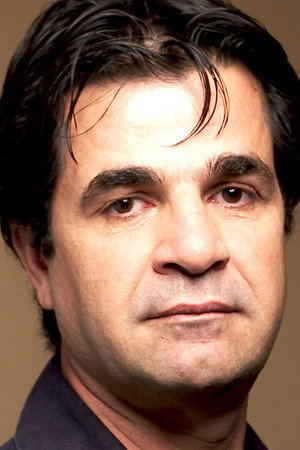
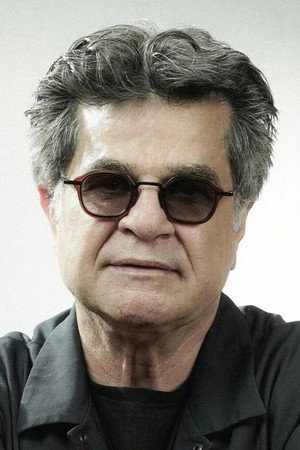
Jafar Panahi (born in July 11, 1960) is a representative of Iranian “New Wave.” He is one of the leaders of contemporary Iranian cinema. Panahi’s work, from his first attempts to discuss social issues to his later and braver discussions of taboo topics in Iran are a creative reflection on the nature of cinema and human society, and are imbued with humanity. In 2010, the court in Iran sentenced Jafar Panahi to six years in prison. In addition, according to the sentence, Panahi was banned from making films for 20 years, giving interviews to local and international media outlets, and leaving Iran. Three Faces was his fourth film (after This Is Not a Film, Closed Curtain, and Taxi) shot after his arrest. The director did not attend the premiere due to being banned from leaving Iran. Panahi is a student of Abbas Kiarostami, whose influence is especially clear in Three Faces, reminiscent of such acclaimed masterpieces as The Wind Will Carry Us and Taste of Cherry.
Filmography Movies
Acting
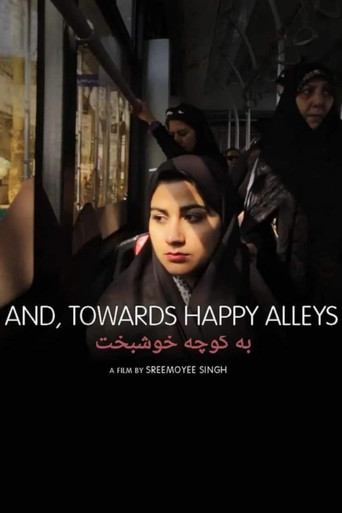
And, Towards Happy Alleys
A passionate declaration of love for the cinema and poetry of Iran, which also offers a frank view of the precarious situation for critics of the regime and shows the uncompromising daily struggle of Iranian women against their oppression.
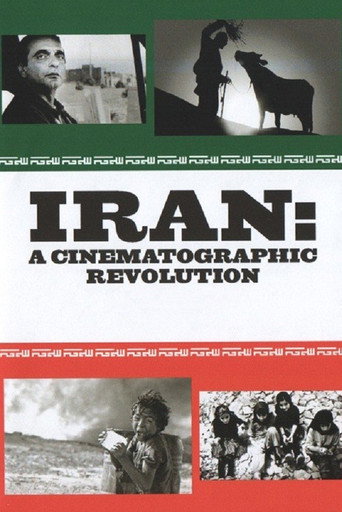
Iran: A Cinematographic Revolution
Today Iranian cinema is one of the most highly regarded national cinemas in the world, regularly winning festival awards and critical acclaim for films which combine remarkable artistry and social relevance. Iran: A Cinematographic Revolution traces the development of this film industry, which has always been closely intertwined with the country's tumultuous political history, from the decades-long reign of Reza Shah Pahlevi and his son, the rise of Khomeini and the birth of the Islamic Republic, the seizure by militants of the U.S. Embassy in Tehran, and the devastating war with Iraq.
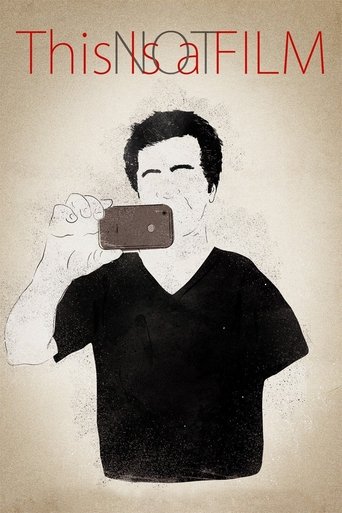
This Is Not a Film
Renowned Iranian director Jafar Panahi received a 6-year prison sentence and a 20-year ban from filmmaking and conducting interviews with foreign press due to his open support for the opposition party in Iran's 2009 election. In this film, which was shot secretly by Panahi's close friend Mojtaba Mirtahmasb and smuggled into France on a USB stick concealed inside a cake for a last-minute submission to Cannes, Panahi documents his daily life under house arrest as he awaits a decision on his appeal.
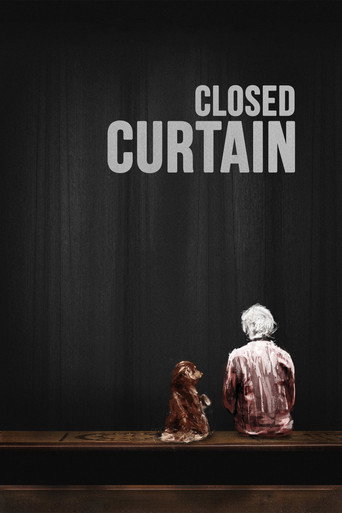
Closed Curtain
In a secluded house by the sea with the curtains shut, a screenwriter hides from the world with only his dog as company. The tranquility is abruptly broken one night by the arrival of a young woman fleeing from the authorities. Refusing to leave, she takes refuge in the house. But come dawn, another unexpected presence will change everything.
The Year of the Everlasting Storm
Featuring seven stories from seven auteurs from around the world, the film chronicles this unprecedented moment in time, and is a true love letter to the power of cinema and its storytellers.
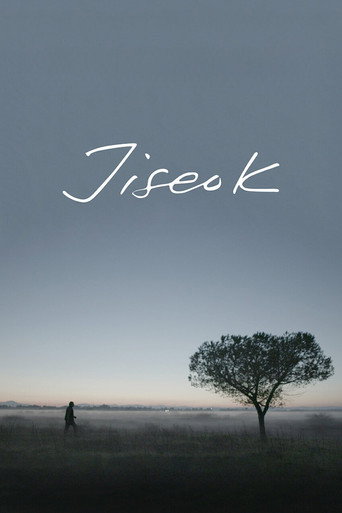
Jiseok
On May 18, 2017, the Busan International Film Festival’s Program Director Kim Jiseok died suddenly and unexpectedly from a heart attack while on a business trip to the Cannes Film Festival. In the face of his unexpected demise, his old friends and colleagues in the film industry recall what tormented him in his last days.
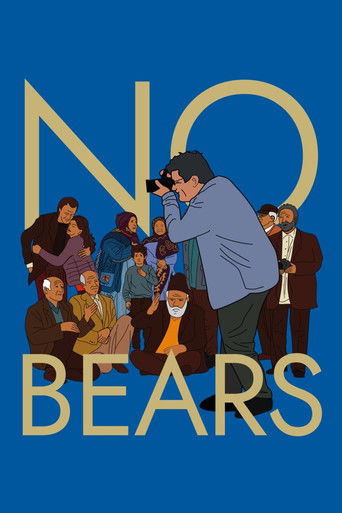
No Bears
Iranian director Jafar Panahi, who has been barred from leaving the country, arrives at a village on the Iran-Turkey border to supervise a film based on a real-life couple seeking passports to Europe being shot in Turkey, but both his stay and the production run into trouble.
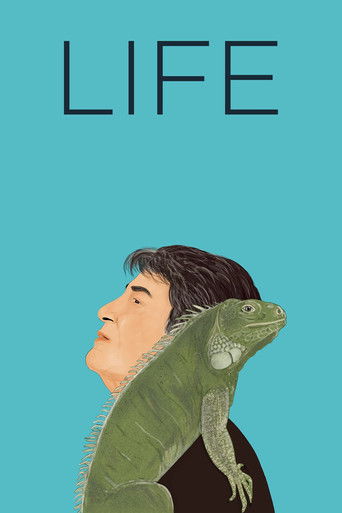
Life
A portrait of the Panahi family's matriarch as the pandemic makes it more difficult for intergenerational connection.
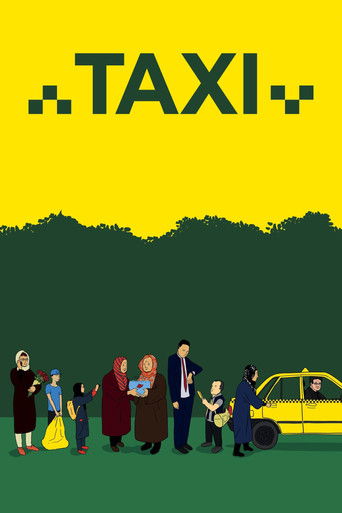
Taxi
A yellow cab is driving through the vibrant and colourful streets of Tehran. Very diverse passengers enter the taxi, each candidly expressing their views while being interviewed by the driver who is no one else but the director Jafar Panahi himself. His camera placed on the dashboard of his mobile film studio captures the spirit of Iranian society through this comedic and dramatic drive…
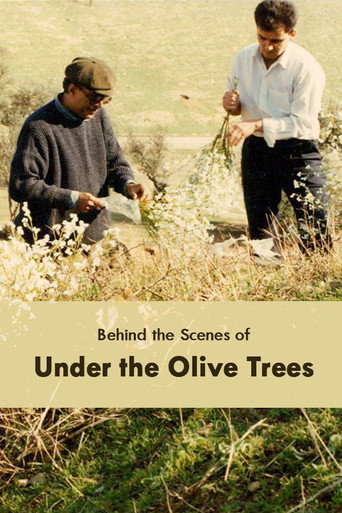
Behind the Scenes of 'Under the Olive Trees'
A documentary by Hamideh Sharif Rad about Abbas Kiarostami's "Through the Olive Trees" (1994).
Production
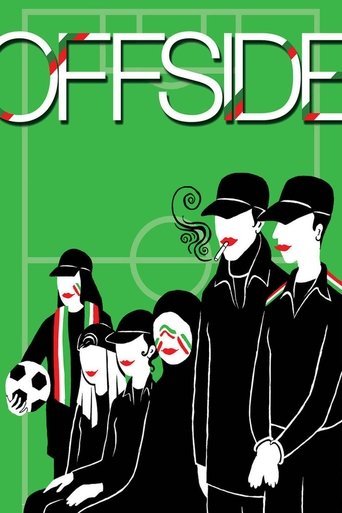
Offside
During the 2006 World Cup qualifying match between Iran and Bahrain, numerous young women are caught and rounded up for dressing as men so they could gain access to the game. Guarded by several soldiers in a holding pen, the women attempt to keep updated on the score.
Offside
During the 2006 World Cup qualifying match between Iran and Bahrain, numerous young women are caught and rounded up for dressing as men so they could gain access to the game. Guarded by several soldiers in a holding pen, the women attempt to keep updated on the score.
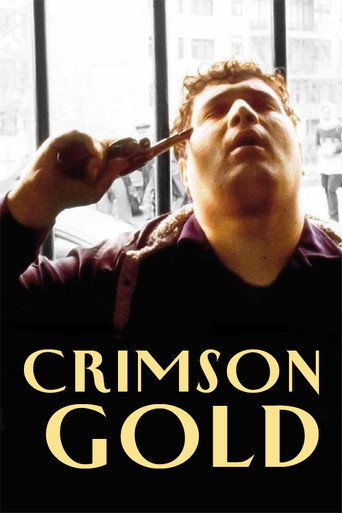
Crimson Gold
Pizza man Hussein is a daily witnesses to the unjust distribution of wealth in his native Iran. One day, he finds a purse filled with shockingly expensive receipts from an upscale jewelry store. He attempts to bring the purse back to the store, but because of his working-class attire, he's not allowed inside. Then, during a delivery, a rich man invites Hussein into his extravagant mansion – an event that spurs Hussein to make a desperate bid for wealth.
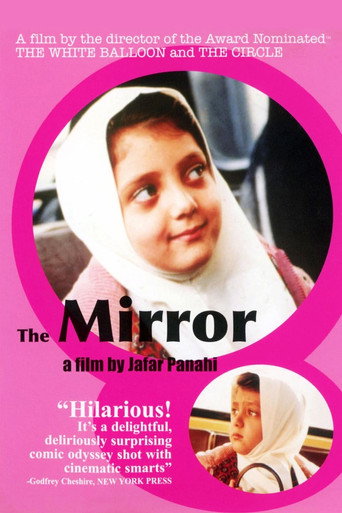
The Mirror
When a young girl's mother doesn't meet her after school, she tries to navigate the streets of Tehran by herself.
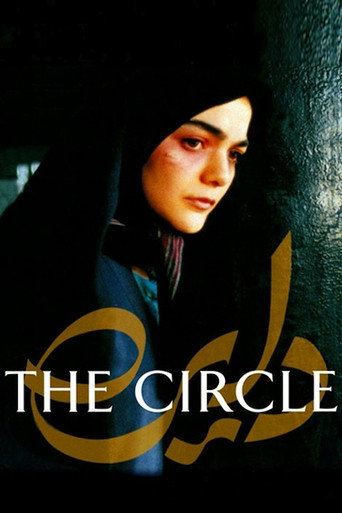
The Circle
Various women struggle to function in the oppressively sexist society of contemporary Iran.
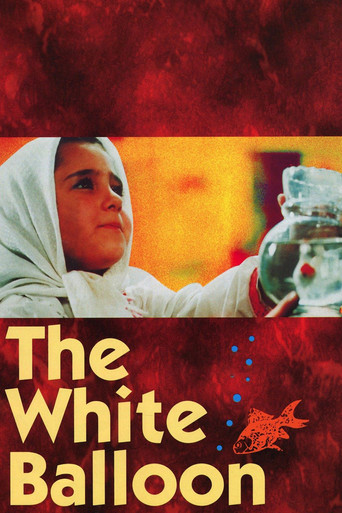
The White Balloon
Several people try to take advantage of a little girl's innocence to hustle money her mom gave to her to buy a goldfish with.
The Year of the Everlasting Storm
Featuring seven stories from seven auteurs from around the world, the film chronicles this unprecedented moment in time, and is a true love letter to the power of cinema and its storytellers.
This Is Not a Film
Renowned Iranian director Jafar Panahi received a 6-year prison sentence and a 20-year ban from filmmaking and conducting interviews with foreign press due to his open support for the opposition party in Iran's 2009 election. In this film, which was shot secretly by Panahi's close friend Mojtaba Mirtahmasb and smuggled into France on a USB stick concealed inside a cake for a last-minute submission to Cannes, Panahi documents his daily life under house arrest as he awaits a decision on his appeal.
This Is Not a Film
Renowned Iranian director Jafar Panahi received a 6-year prison sentence and a 20-year ban from filmmaking and conducting interviews with foreign press due to his open support for the opposition party in Iran's 2009 election. In this film, which was shot secretly by Panahi's close friend Mojtaba Mirtahmasb and smuggled into France on a USB stick concealed inside a cake for a last-minute submission to Cannes, Panahi documents his daily life under house arrest as he awaits a decision on his appeal.
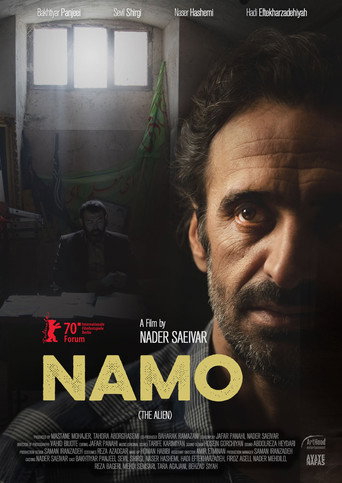
The Alien
In an ordinary Iranian town, two mysterious strangers in a car begin to park daily at the same spot for hours. This unusual occurrence causes paranoia among the locals, who suspect them to be national security.
Gallery