Jacques Feyder Movies, TV Shows, and Filmography
Jacques Feyder
Directing
Biography
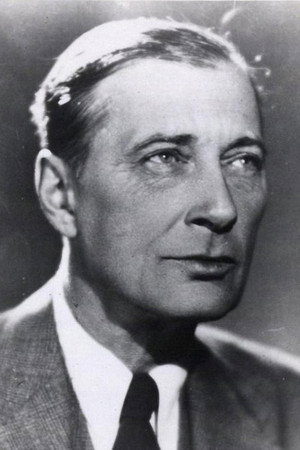
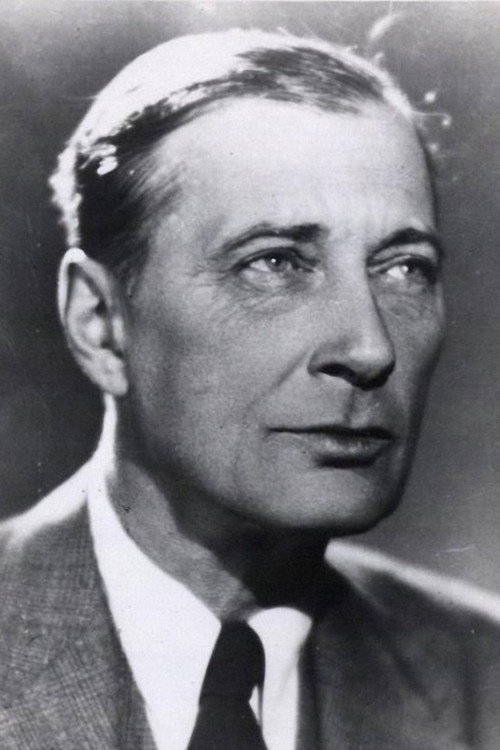
Jacques Feyder , was a Belgian actor, screenwriter and film director who worked principally in France, but also in the USA, Britain and Germany. He was a leading director of silent films during the 1920s, and in the 1930s he became associated with the style of poetic realism in French cinema. He adopted French nationality in 1928. Born Jacques Léon Louis Frédérix in Ixelles, Belgium, at age twenty-five however he moved to Paris where he pursued an interest in acting, first on stage and then in film, adopting the name Jacques Feyder. He joined the Gaumont Film Company and in 1914 he became an assistant director with Gaston Ravel. He started directing films for Gaumont in 1916, but his career was interrupted by service with the Belgian army during 1917-1919. After the end of the war, he returned to filmmaking and quickly built a reputation as one of the most innovative directors in French cinema. L'Atlantide (1921) (based on the novel by Pierre Benoit), and Crainquebille (1922) (from the novel by Anatole France) were his first major films to achieve public and critical attention. He also contributed screenplays of films for other directors. His last silent film in France was Les Nouveaux Messieurs, a topical political satire which provoked calls for it to be banned in France for "insulting the dignity of parliament and its ministers". By this time Feyder had accepted an offer from MGM to work in Hollywood, where in 1929 his first project was directing Greta Garbo in The Kiss, her last silent film. It was in Hollywood that he made the transition to sound films; even before he had worked with sound films, Feyder declared himself to be a firm believer in their future, in contrast with some of his French contemporaries. Disillusioned with the Hollywood system, Feyder returned to France in 1933. During the next three years he made three of his most successful films, all of them in collaboration with screenwriter Charles Spaak and featuring Françoise Rosay in a leading role. Le Grand Jeu (1934) and Pension Mimosas (1935) were both significant creations in the style of poetic realism; La Kermesse héroïque (1935) (also known as Carnival in Flanders) was a meticulously staged period film with contemporary political resonances, which earned Feyder several international awards. Feyder went on to direct films in England and Germany prior to the outbreak of World War II. Following the Nazi occupation in 1940, which led to the banning of La Kermesse héroïque, he left France for the safety of Switzerland, and directed a last film there, Une femme disparaît (1942). In 1917, Feyder had married Parisian-born actress Françoise Rosay (1891–1974) with whom he had three sons; she acted in many of his films and collaborated with him as writer and assistant director on Visages d'enfants. Jacques Feyder died in 1948 at Prangins, Switzerland. A school (lycée) in Épinay-sur-Seine in the north of Paris was named in his honour in 1977; Épinay was the location of the Tobis film studios where Feyder made Le Grand Jeu and Pension Mimosas.
Filmography Movies
Acting
Protéa
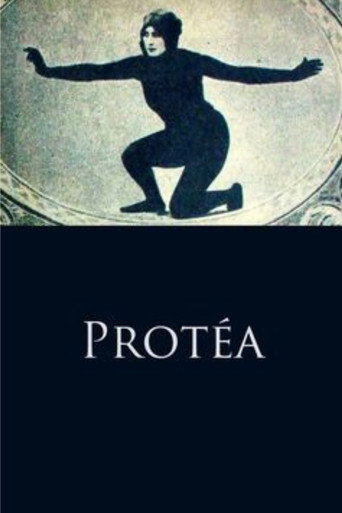
Protéa is the last film directed by Victorin-Hippolyte Jasset, one of the early film pioneers in France. The hero of this film is a female spy, an acrobatic Mata-Hari, played by his favorite actress, Josette Andriot, who wore a characteristic costume of a close-fitting black jersey, two years before Musidora achieved cult status with her similar appearance as Irma Vep. This final masterpiece reflects Jasset's popular style: rhythmic action, fantastic realism, rich visuals, an anarchistic philosophy, a disdain for psychology, and an attention to lighting that earned him the nickname “the Rembrandt of the cinema". Although Jasset died shortly after completion, the film had considerable success and Andriot went on to make four more films in the series with other directors.

Cinderella or The Glass Slipper
Georges Méliès's first attempt at Cinderella was in 1899. That film was extraordinary then for having multiple scenes and a semblance of a narrative; additionally, the use of dissolves as transitions in it influenced other filmmakers for years to do the same. Méliès was the cinema world's preeminent leader then. By 1912, however, that was no longer the case; frankly, as evidenced by this feature, his style had become dated. Moreover, Méliès had begun to adopt techniques from other filmmakers, such as direct cuts instead of dissolves, and there's even a match on action shot during the slipper trying-on scene.
Monsieur Pinson policier
Production
The Kiss
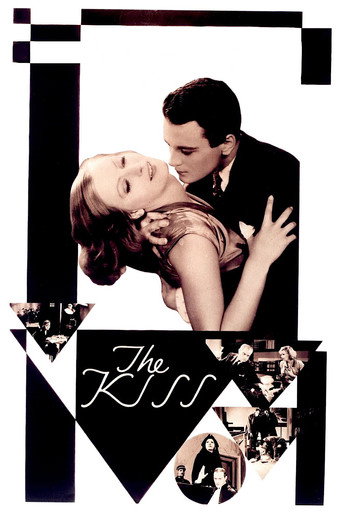
An unhappily married woman is caught up in scandal and murder when her affection toward a young man is misinterpreted.
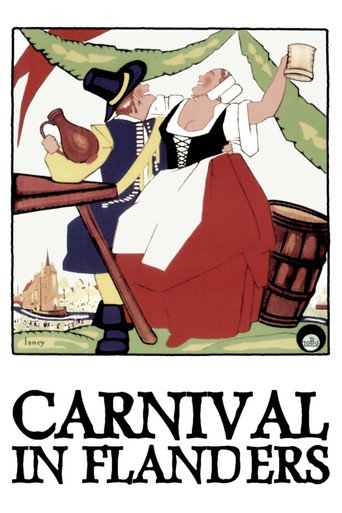
Carnival in Flanders
Flanders, Hispanic Monarchy, 1616. The inhabitants of the small town of Boom are busy organizing the annual local festivities when the arrival of the Duke of Olivares, who rules the country on behalf of the King Philip III of Spain, is announced. While the male citizens cowardly surrender to panic like rats on a sinking ship, the brave female citizens, led by the bold wife of the burgomaster, decide to become the best hosts the Spaniards can ever meet.
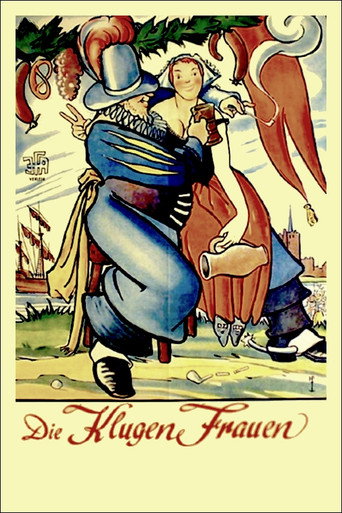
Carnival in Flanders
Flanders, Hispanic Monarchy, 1616. The inhabitants of the small town of Boom are busy organizing the annual local festivities when the arrival of the Duke of Olivares, who rules the country on behalf of the King Philip III of Spain, is announced. While the male citizens cowardly surrender to panic, the brave female citizens decide to become the best hosts the Spaniards can ever meet. (German version of the French film La Kermesse héroïque, 1935.)
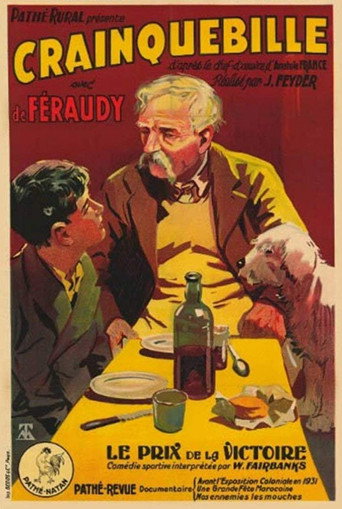
Crainquebille
Jérôme Crainquebille, is an ageing vegetable seller who has sold groceries from his cart in in Paris for over 40 years. One day, he is harassed by a policeman who insists that he moves on. When he protests, Crainquebille is arrested, supposedly for swearing at the policeman.
Crainquebille
Jérôme Crainquebille, is an ageing vegetable seller who has sold groceries from his cart in in Paris for over 40 years. One day, he is harassed by a policeman who insists that he moves on. When he protests, Crainquebille is arrested, supposedly for swearing at the policeman.
Crainquebille
Jérôme Crainquebille, is an ageing vegetable seller who has sold groceries from his cart in in Paris for over 40 years. One day, he is harassed by a policeman who insists that he moves on. When he protests, Crainquebille is arrested, supposedly for swearing at the policeman.
Crainquebille
Jérôme Crainquebille, is an ageing vegetable seller who has sold groceries from his cart in in Paris for over 40 years. One day, he is harassed by a policeman who insists that he moves on. When he protests, Crainquebille is arrested, supposedly for swearing at the policeman.
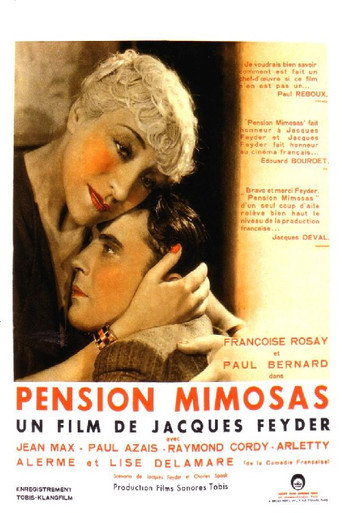
Pension Mimosas
Mr. and Mrs. Noblet run a boarding house on the French Riviera. One day, they are led by circumstances to welcome a little boy Pierre, whose father is in jail, into their home. Which makes Louise Noblet all the happier as she can't have children herself. But, after a while, Pierre's father is released from prison and reclaims his son... Time passes and Pierre, now a young adult, lives in Paris more or less on the wrong side of the law. He has a mistress, Nelly, who does not say no to other men's money... Louise, who still loves Pierre as her own son, wants only one thing - to help him get by.
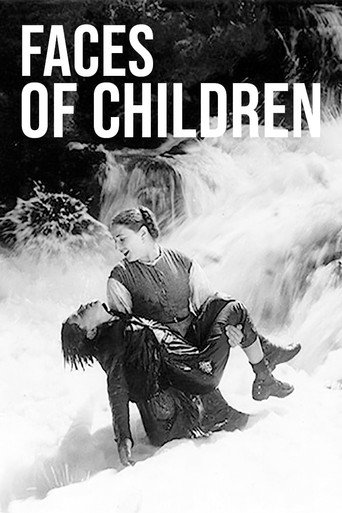
Faces of Children
A young boy living in the Swiss Alps struggles to come to terms with his mother's death and his father's remarriage which brings a new mother and step-sister into his family.
Faces of Children
A young boy living in the Swiss Alps struggles to come to terms with his mother's death and his father's remarriage which brings a new mother and step-sister into his family.
Gallery