Directing
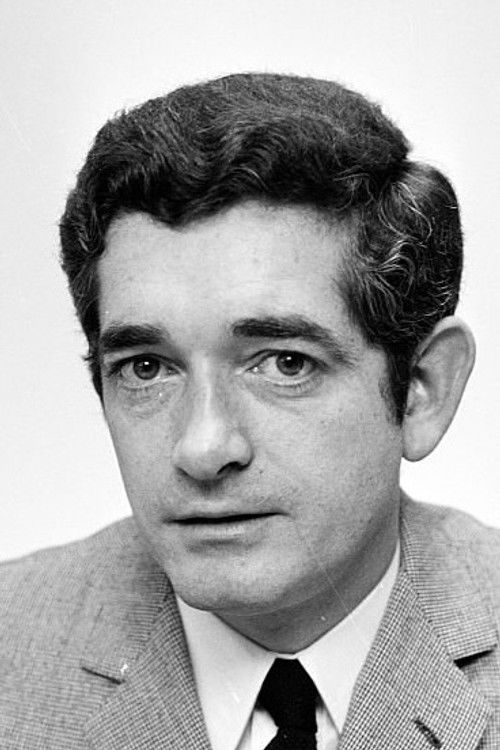
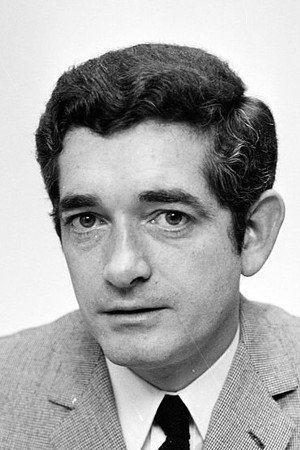
Jacques Demy (June 5, 1931 – October 27, 1990) was a French director and screenwriter. He appeared in the wake of the French New Wave. His films are well known for their sumptuous look, drawing on Hollywood musicals, fairy tales, jazz, and opera.
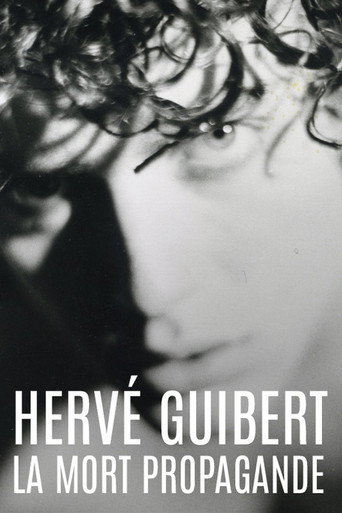
From this "inexorable disease", Hervé Guibert did not recover. The miracle he had so much hoped for did not happen. But, before his death in 1991, three years after learning of his HIV-positive status, he engraved in his literary and photographic work "the places of [his] suffering", "the stations of [his] way of the cross". With his thin body and sunken cheeks, the handsome man with curly hair that he was, the one whose clear gaze radiated from the seaside photos, fought a fierce battle against AIDS. A fight of every moment against the decay of the body, observed and commented with a methodical care in his autobiographical novels, in particular "To the Friend Who Did Not Save My Life" (1990) and "The Compassionate Protocol" (1991), and of which he testified on television on the set of "Apostrophes"...
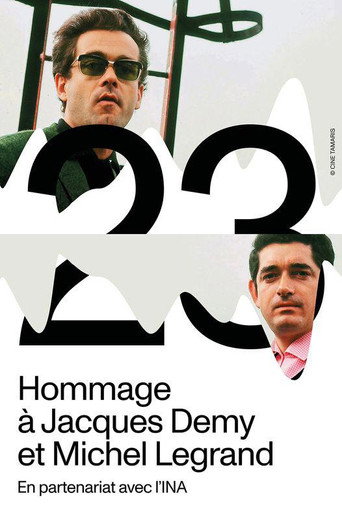
In the summer of 2021, the Sœurs Jumelles festival was launched in Rochefort, a place where music and images come together. A film concert was held there on June 23 in tribute to Michel Legrand and Jacques Demy.
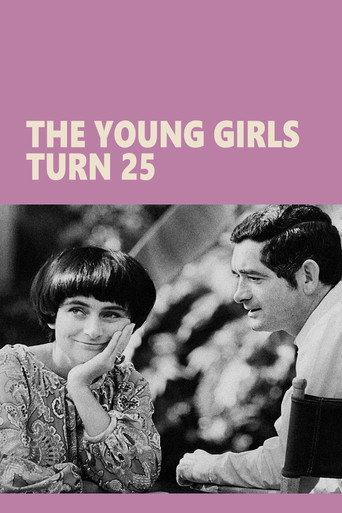
Agnes Varda's documentary of the celebrations arising from the 25th anniversary of her husband Jacques Demy's film The Young Girls of Rochefort.
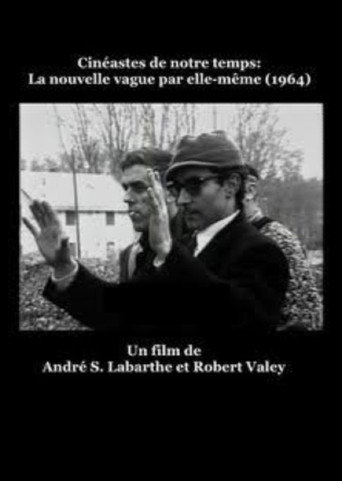
Made for Cinéastes de notre temps series. In 1964, several French New Wave auteurs discuss the success and crisis of the wave. Featuring Claude Chabrol, François Truffaut, Jacques Rivette, Jean-Luc Godard, Jacques Rozier, Jacques Demy, Agnès Varda, Jean Rouch, and many others.
Jacques Demy's first surviving live-action project. A man alone in his crumbling apartment recalls being left by his girl for another man.
With ghostly eyes looking through the winter landscapes of the plains and villages of Ain, where the sanctified priest the Curé of Ars once lived, Jacques Demy tried to understand this fighter for communal spirituality and his daily torments of mysticism.
A pioneering post-war female film director, an instigator of the New Wave who was honored by Hollywood in her own lifetime, Agnès Varda has become a source of inspiration for a whole new generation of young filmmakers. With movies like Cléo de 5 à 7, Le Bonheur, Sans toit ni loi, Les Glaneurs et la glaneuse, she created a quirky, open to the world, sensitive to the disenfranchised, often silly body of work. Always one finger on the pulse, she shook everything up, including cinema itself which she refused to constrict to pure fiction or long-form films.
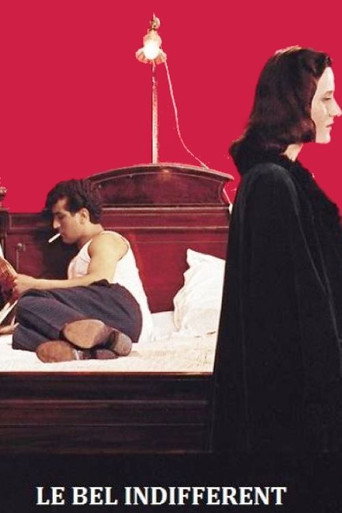
An adaptation of Jean Cocteau's play of a woman lecturing her indifferent lover.
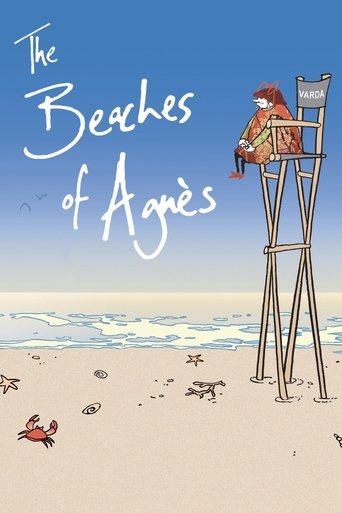
Filmmaking icon Agnès Varda, the award-winning director regarded by many as the grandmother of the French new wave, turns the camera on herself with this unique autobiographical documentary. Composed of film excerpts and elaborate dramatic re-creations, Varda's self-portrait recounts the highs and lows of her professional career, the many friendships that affected her life and her longtime marriage to cinematic giant Jacques Demy.
Documentary about the making of Marcel Carne's 1945 film Children of Paradise (France), interviewing the director, the actors and production designer, as well as other French directors.
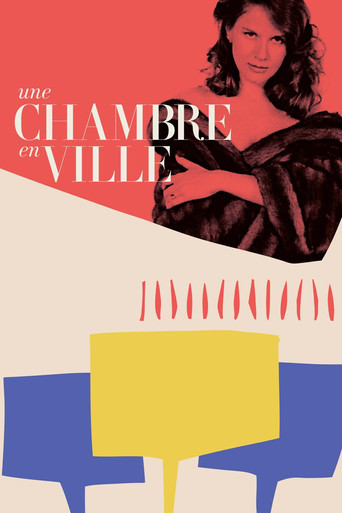
Set against the backdrop of an increasingly violent strike, a worker falls in love with the middle-class daughter of his landlady.
A fairy godmother helps a princess disguise herself so she won't have to marry her father.
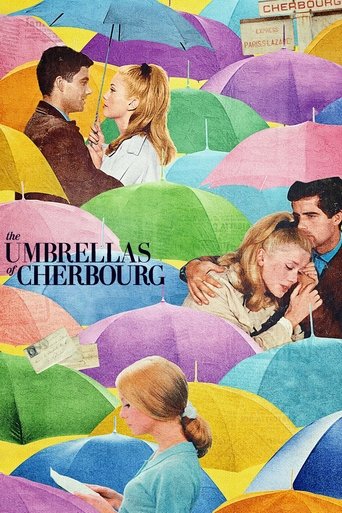
This simple romantic tragedy begins in 1957. Guy Foucher, a 20-year-old French auto mechanic, has fallen in love with 17-year-old Geneviève Emery, an employee in her widowed mother's chic but financially embattled umbrella shop. On the evening before Guy is to leave for a two-year tour of combat in Algeria, he and Geneviève make love. She becomes pregnant and must choose between waiting for Guy's return or accepting an offer of marriage from a wealthy diamond merchant.
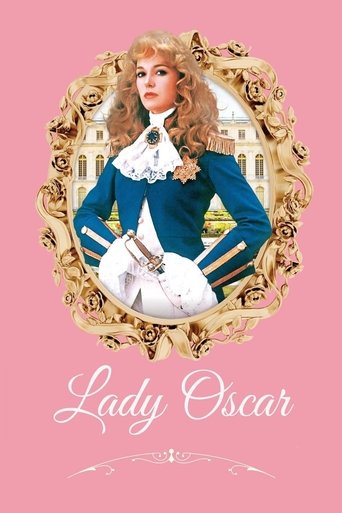
Oscar François de Jarjayes was born female, but her father insisted she be raised as a boy as he had no sons. She becomes the captain of the guards at Versailles under King Louis XVI and Marie Antonette. Her privileged, noble life comes under fire as she discovers the hard life of the poor people of France. She is caught up in the French Revolution, and must choose between her loyalty and love.
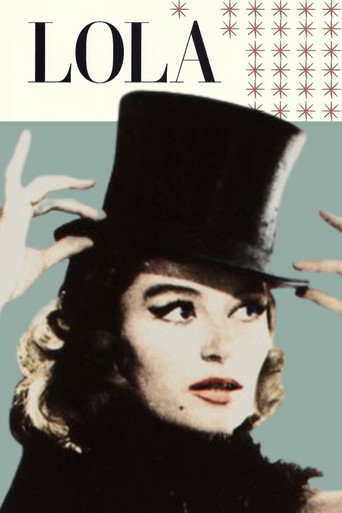
A bored young man meets with his former girlfriend, now a cabaret dancer and single mother, and soon finds himself falling back in love with her.