Writing
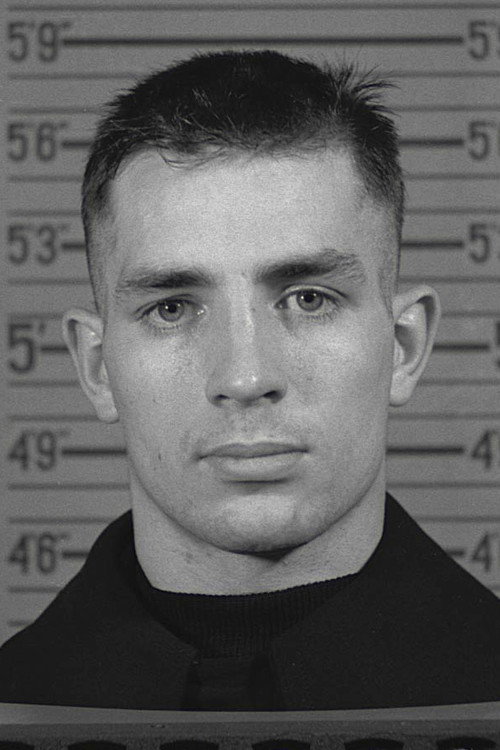
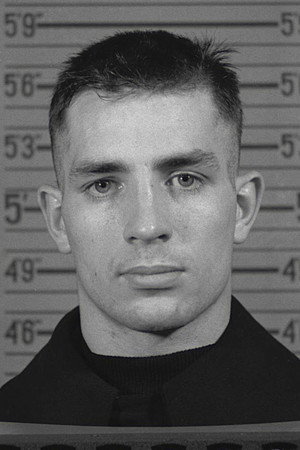
Jack Kerouac (March 12, 1922 - October 21, 1969) was an American novelist and poet.
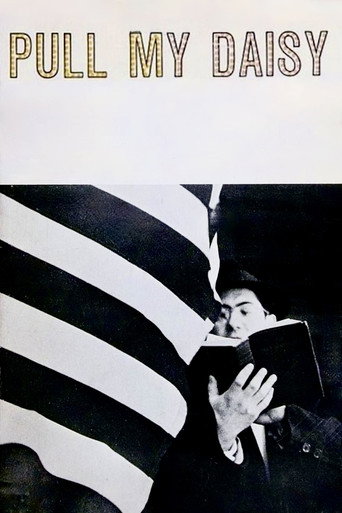
Based on an incident in the life of Beat icon Neal Cassady and his wife, the painter Carolyn, the film tells the story of a railway brakeman whose wife invites a respected bishop over for dinner. However, the brakeman's Bohemian friends crash the party, with comic results. Pull My Daisy is a film that typifies the Beat Generation. Directed by Robert Frank and Alfred Leslie, Daisy was adapted by Jack Kerouac from the third act of his play, Beat Generation; Kerouac also provided improvised narration.
In a hypercompetitive world, drugs like Adderall offer students, athletes, coders and others a way to do more -- faster and better. But at what cost?
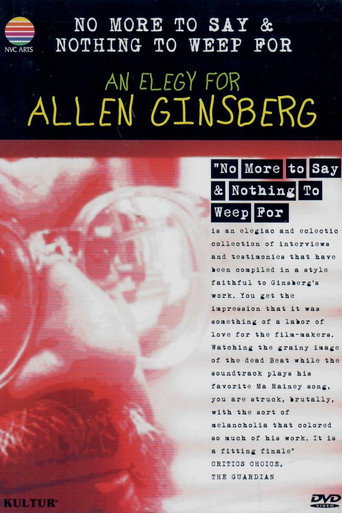
Witness the last days of the Beat poet whose works would capture the very essence of the 1960 counter-cultural movement in an informative documentary featuring Allan Ginsburg's final television interview as well as remarkable deathbed footage shot by underground cinema icon Jonas Mekas.
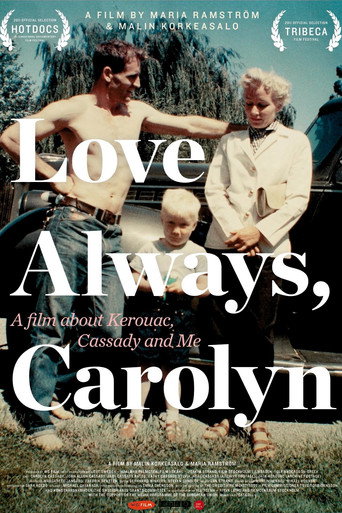
Documentary about Carolyn Cassady, her life and marriage to Neal Cassady, her relationship with Jack Kerouac and how she takes care of the literary legacy from both.
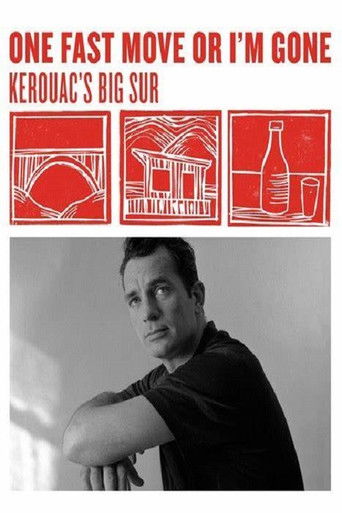
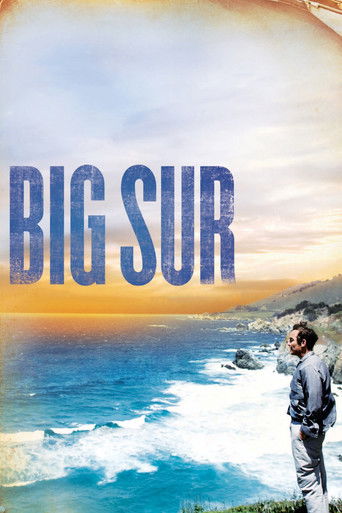
"One Fast Move or I'm Gone: Kerouac's Big Sur" examines Jack Kerouac's escape from post "On The Road" fame to his dream of an isolated retreat in a cabin at Big Sur where he searches for inner peace. His road comes full circle with this self-exploration, resulting in an alcohol-fueled paranoia and a plunge into madness.
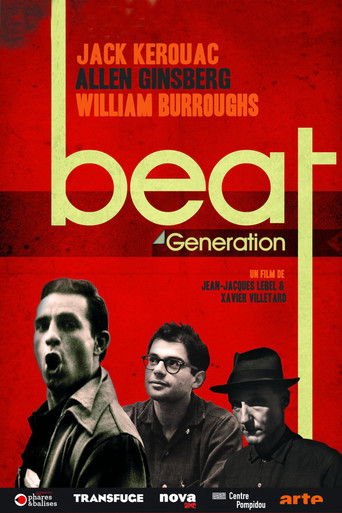
Tells the story of the wonderful and long-lasting friendship between Jack Kerouac, Allen Ginsberg and William Burroughs that gave birth to the Beat Generation movement.
A documentary about the film, I am Curious-Yellow (1967), and how it made it into the USA and changed film in USA forever by breaking the USA Obscenity Codes.
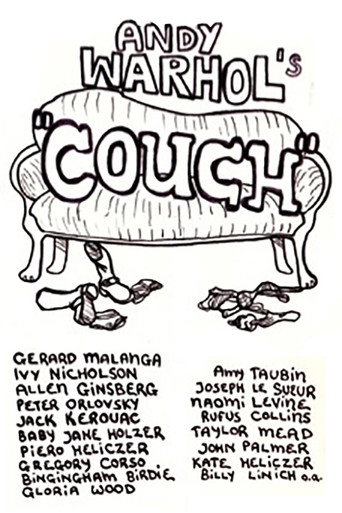
The couch at Andy Warhol's Factory was as famous in its own right as any of his Superstars. In Couch, visitors to the Factory were invited to "perform" on camera, seated on the old couch. Their many acts-both lascivious and mundane-are documented in a film that has come to be regarded as one of the most notorious of Warhol's early works. Across the course of the film we encounter such figures as poets Allen Ginsberg and Gregory Corso, the writer Jack Kerouac, and perennial New York figure Taylor Mead.
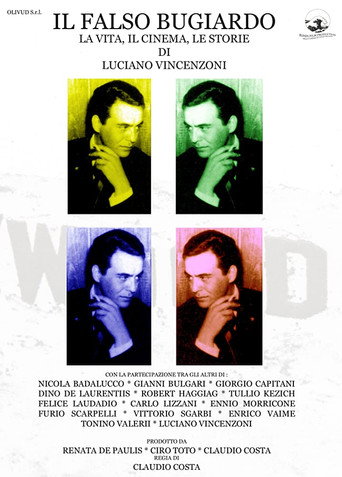
Based upon Vincenzoni's biography, "Pane e cinema", the documentary traces the story of the screen play writer who invented many stories that became blockbusters throughout the world.
Andrew O'Hagan looks at a critical point in the life of Beat Generation writer Jack Kerouac. In 1956 he spent spent 63 soul-searching days as a fire-watcher on Washington state's Desolation Peak. After this stint he was never the same creative force again.
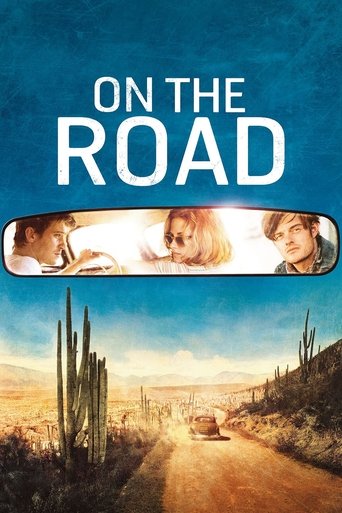
Sal Paradise is a young writer whose life is shaken and ultimately redefined by the arrival of Dean Moriarty, a free-spirited, fearless, fast talking Westerner and his girl, Marylou. Traveling cross-country, Sal and Dean venture out on a personal quest for freedom from the conformity and conservatism engulfing them in search of the unknown, themselves, and the pursuit of “it” -- the pure essence of experience.
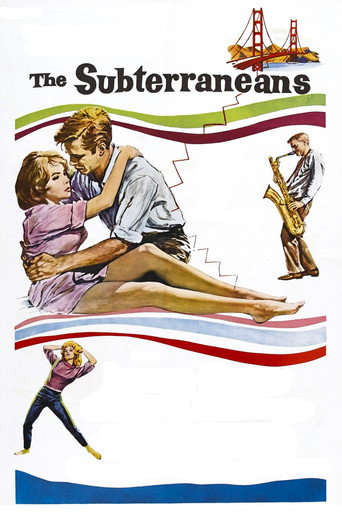
A disillusioned writer explores the subterranean depths of San Francisco's North Beach district.
Big Sur is a film adaptation of the Jack Kerouac autobiographical novel of the same name.
Alfred Leslie is a pivotal American artist-painter-filmmaker whose work spans the past fifty years. A contemporary of the Abstract Expressionists and a key figure in the extraordinary social milieu of downtown New York from the 1950s and 60s to the present, his own canvases were amongst the most revered of his peers. In 1964 he made 'Pull My Daisy' with the photographer Robert Frank and in 1966 collaborated with the inimitable poet Frank O'Hara on 'The Last Clean Shirt'. Leslie dramatically moved away from abstraction to make giant almost hyper-real portraits, the majority of which were destroyed in the now infamous fire that ripped through his studio and its neighboring blocks on October 17, 1966. This devastating event, that completely destroyed paintings, films and manuscripts, continues to inform his work today.