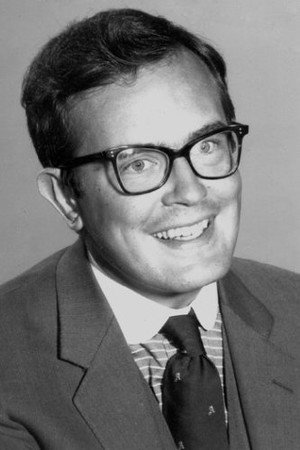
Jack Good Movies, TV Shows, and Filmography
Jack Good
Production
Biography
No biography available.
Filmography Movies
Acting
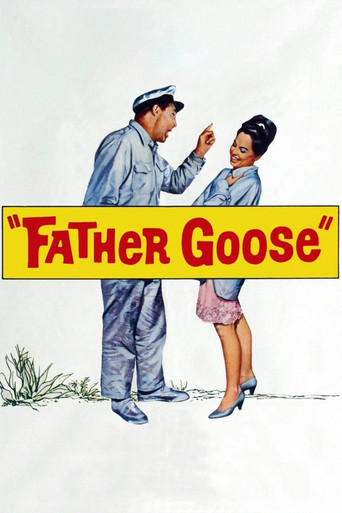
Father Goose
During World War II, South Sea beachcomber Walter Eckland is persuaded to spy on planes passing over his island. He gets more than he bargained for as schoolteacher Catherine Frenau arrives on the run from the Japanese with her pupils in tow!
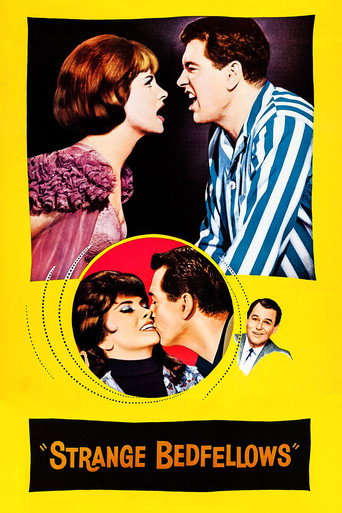
Strange Bedfellows
After a hasty wedding, Carter and Toni find that they disagree on everything. They separate and seven years later, on the eve before their divorce, meet again and spend the night together. Reality sets in when morning comes and they begin arguing again. Once again, divorce proceedings are on — until Carter finds out that an important promotion hinges on whether he's married.
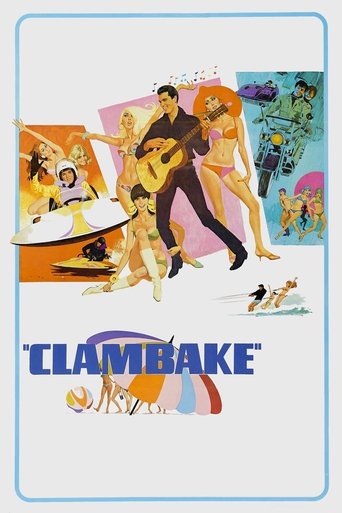
Clambake
The heir to an oil fortune trades places with a water-ski instructor at a Florida hotel to see if girls will like him for himself, rather than his father's money.
Production
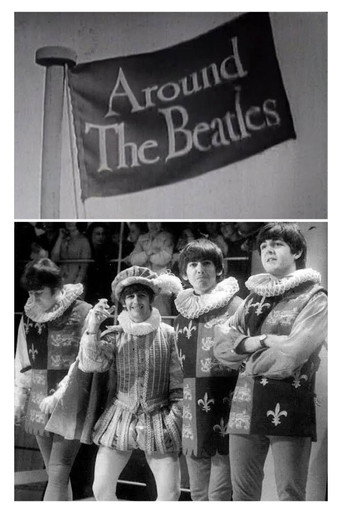
Around the Beatles
The show opens on an image of the Globe Theatre, with Ringo Starr unfurling a flag with the legend "Around The Beatles". The studio setting is arranged as a theater in the round, (hence the show's name) echoing the seating arrangement of the Globe. The opening act is a humorous rendition of the "play within a play", Pyramus and Thisbe (Act V, Scene I) from William Shakespeare's A Midsummer Night's Dream, with Paul McCartney as Pyramus, John Lennon as his lover Thisbe, George Harrison as Moonshine, and Starr as Lion.
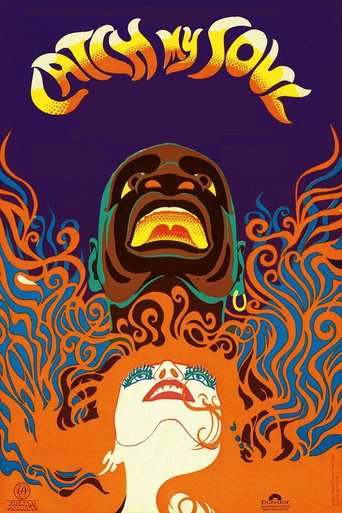
Catch My Soul
Screenwriter John Good's rock & roll adaptation of Shakespeare's Othello who is a wandering evangelist who happens onto Iago's remote commune. There he marries the lovely Desdemona much to the chagrin of Iago, who also loves her. The conniving commune leader then manages to quietly pressure Othello until murder and tragedy ensue. Songs include: "Othello", "Working on a Building," "Eat the Bread, Drink the Wine," "Book of Prophecy," "That's What God Said," "Chug a Lug," "Open Your Eyes," "Lust of the Blood," "Put Out the Light" and more.
Catch My Soul
Screenwriter John Good's rock & roll adaptation of Shakespeare's Othello who is a wandering evangelist who happens onto Iago's remote commune. There he marries the lovely Desdemona much to the chagrin of Iago, who also loves her. The conniving commune leader then manages to quietly pressure Othello until murder and tragedy ensue. Songs include: "Othello", "Working on a Building," "Eat the Bread, Drink the Wine," "Book of Prophecy," "That's What God Said," "Chug a Lug," "Open Your Eyes," "Lust of the Blood," "Put Out the Light" and more.
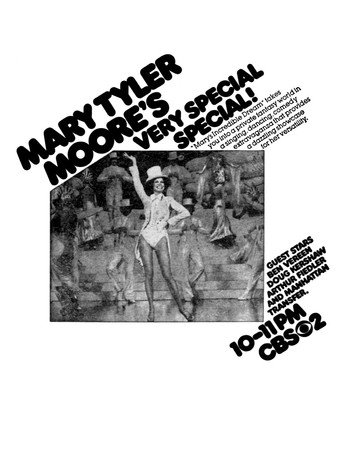
Mary's Incredible Dream
An extended dream sequence presents a biblical allegory about the creation, downfall and rebirth of humanity, told through a series of surrealistic vignettes and musical numbers.
Mary's Incredible Dream
An extended dream sequence presents a biblical allegory about the creation, downfall and rebirth of humanity, told through a series of surrealistic vignettes and musical numbers.
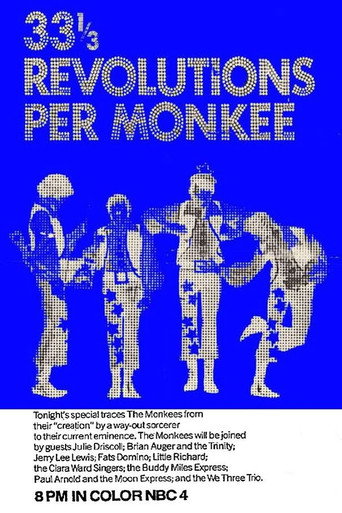
33 ⅓ Revolutions per Monkee
33 1⁄3 Revolutions per Monkee is a television special starring the Monkees that aired on NBC on April 14, 1969. Produced by Jack Good, guests on the show included Jerry Lee Lewis, Fats Domino, Little Richard, the Clara Ward Singers, the Buddy Miles Express, Paul Arnold and the Moon Express, and We Three. Although they were billed as musical guests, Julie Driscoll and Brian Auger (alongside their then-backing band The Trinity) found themselves playing a prominent role; in fact, it can be argued that the special focused more on the guest stars (specifically, Auger and Driscoll) than the Monkees themselves. This special is notable as the Monkees' final performance as a quartet until 1986, as Peter Tork left the group at the end of the special's production. The title is a play on "33 1⁄3 revolutions per minute."
33 ⅓ Revolutions per Monkee
33 1⁄3 Revolutions per Monkee is a television special starring the Monkees that aired on NBC on April 14, 1969. Produced by Jack Good, guests on the show included Jerry Lee Lewis, Fats Domino, Little Richard, the Clara Ward Singers, the Buddy Miles Express, Paul Arnold and the Moon Express, and We Three. Although they were billed as musical guests, Julie Driscoll and Brian Auger (alongside their then-backing band The Trinity) found themselves playing a prominent role; in fact, it can be argued that the special focused more on the guest stars (specifically, Auger and Driscoll) than the Monkees themselves. This special is notable as the Monkees' final performance as a quartet until 1986, as Peter Tork left the group at the end of the special's production. The title is a play on "33 1⁄3 revolutions per minute."
Gallery