Camera
No biography available.
The film was inspired by one of the most important documentaries shot by Krzysztof Kieślowski, Talking Heads (1980). The director asked his interlocutors seemingly simple questions, such as “Who are you?” and “What do you want?”.
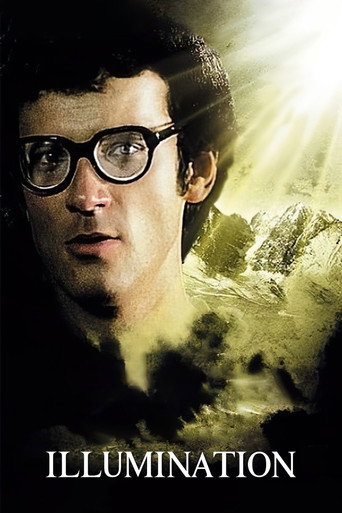
Film chronicles a decade in the life of a young physics student whose absolute faith in the primacy of rationality and science is shaken by tragedy and affairs of the heart.
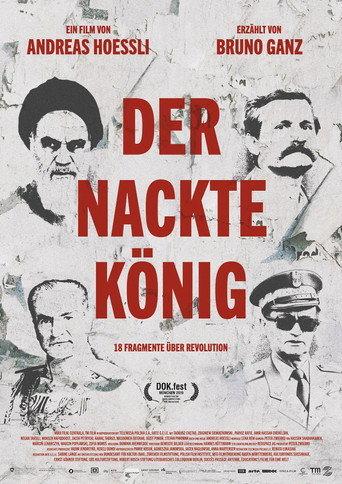
In 1979, a revolution in Iran. In 1980, a revolution in Poland. The fall of the Shah, the “King of Kings,” in Iran. Mass strikes and the foundation of Solidarność (Solidarity) in Poland. What was in the minds of the young women and men who fomented revolution in their own country? What did they think when their revolution was quelled, or – as in Iran – an authoritarian regime was instituted under the name of an “Islamic Republic”?
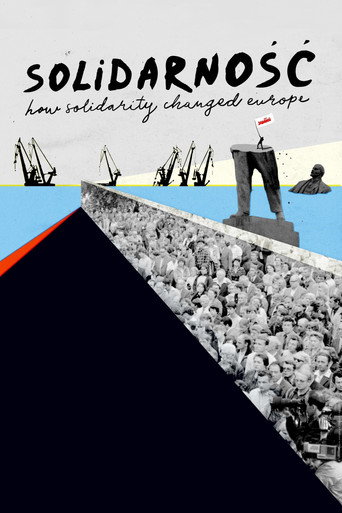
Gdańsk, Poland, September 1980. Lech Wałęsa and other Lenin shipyard workers found Solidarność (Solidarity), the first independent trade union behind the Iron Curtain. The long and hard battle to bring down communist dictatorship has begun.
1982, Poland. A translator loses her husband and becomes a victim of her own sorrow. She looks to sex, to her son, to law, and to hypnotism when she has nothing else in this time of martial law when Solidarity was banned.
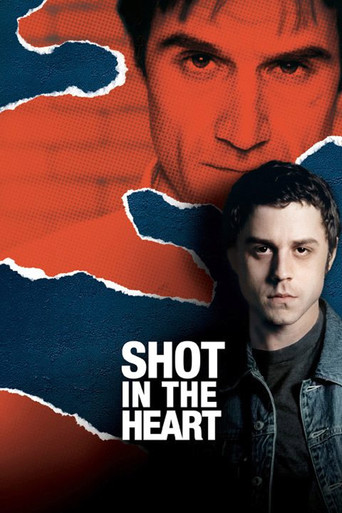
The story of a man coming to terms with the sins and secrets of his notorious brother and, in the process, exploring the legacy of violence in his own family.
The eloquent and photogenic Afghan village community, where in 2005 the adulterous Amina was killed by stones, does not easily divulge its secrets to a filming outsider.
A mockumentary in which during a visit to the NATO headquarters in Brussels, a secret agent discovers the Pact authorities expect the Polish army to change its parade step.
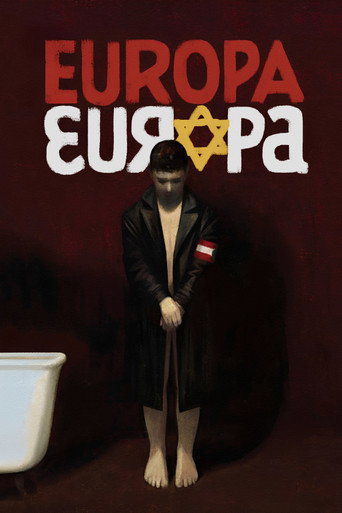
A Jewish boy separated from his family in the early days of WWII poses as a German orphan and is taken into the heart of the Nazi world as a 'war hero' and eventually becomes a Hitler Youth.
The house of a family of five is to be demolished due to the expansion of the city. The residents who are waiting to move are surprised by the progressive paralysis of their son.
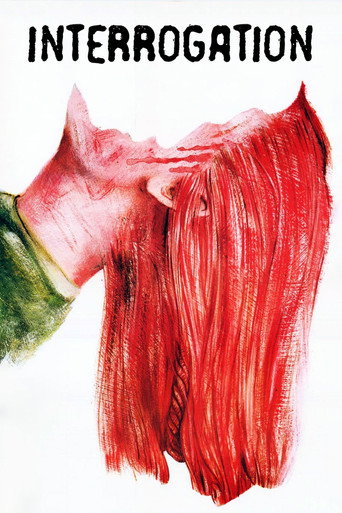
In Stalinist Poland, cabaret singer Tonia decides to spend the evening drinking with a group of friends. The next morning, she awakes to find that, for reasons unknown to her, she has been jailed as a political prisoner. As prison officials interrogate, torture and humiliate her, she fights for survival and to maintain her innocence by refusing to sign a false confession. As her years of imprisonment pass, her relationship with her captors grows more complicated.
In this documentary, Andrzej Wajda presents a biography of the famous filmmaker and his long-time collaborator, Edward Klosinski. He was an outstanding cinematographer. Among others, his wife Krystyna Janda and closest friends, as well as the director himself, talk about his extraordinary work. The film also uses excerpts from many major productions that Klosinski took part in creating.
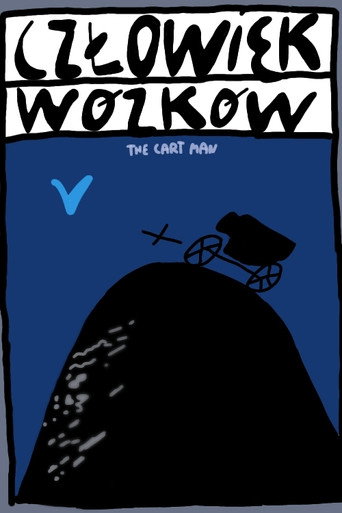
This is the story of a man who travels the country alone, dragging all his small possessions behind him on a cart he has constructed. His attitude causes a variety of reactions from people - from kindness to outright dislike and intolerance.
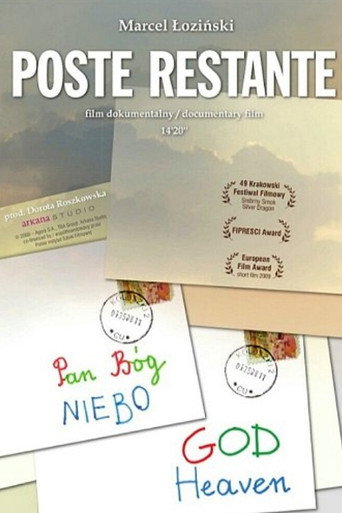
In Poland, letters with incorrect address end up at the Department of Unsent Mail in Koluszki. The film follows one of these letters, on which a child's hand has written an unusual address: 'God. Heaven.'