József Madaras Movies, TV Shows, and Filmography

József Madaras
Acting
Biography
No biography available.
Filmography Movies
Acting
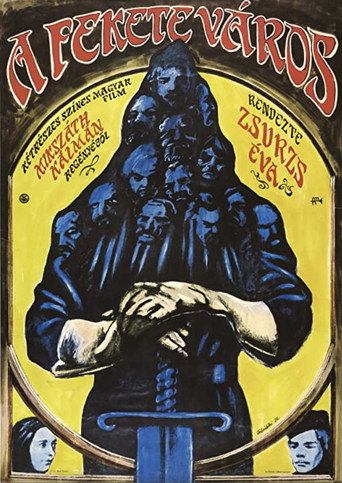
The Black City
Feature film version of the 1971 series. On the eve of the 18th century, County Vicecomes Görgey Pál broods alone in his manor while the town of Leutschau celebrates New Year’s with lead‐casting omens and a disastrous hunt that sparks a bitter feud. As Görgey fights for his honor and life, and the townspeople defend their Saxon privileges, their mutual blind ambition prevents them from seeing the rising light of Rákóczi’s coming rebellion.
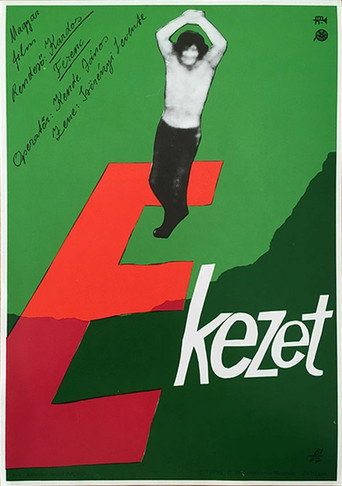
The Accent
An adult educator arrives in the small-town factory with loads of books, energy and a freshly received diploma. The honest young man with dreamy eyes humanises the life of the plant, in a way distributing himself among people.

Electra, My Love
It has been fifteen years since the death of her father, Agamemnon, and Elektra still burns with hatred for Aegisztosz, who conspired with Elektra's mother to kill him.
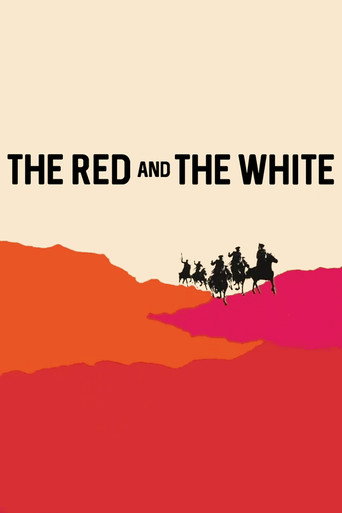
The Red and the White
In 1919, Hungarian Communists aid the Bolsheviks' defeat of Czarists, the Whites. Near the Volga, a monastery and a field hospital are held by one side and then the other.
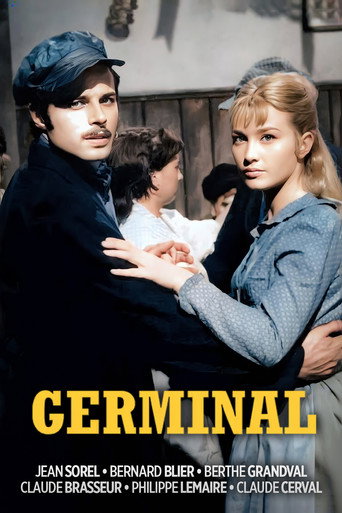
Germinal
Dismissed from the railroads in 1863 for his union activities, Etienne Lantier found a job at the Voreux coal mine. But work was hard, wages were low and safety left much to be desired. Lantier tried to organize the miners into a union. When mine manager Hennebeau refused to negotiate, the workers launched a general strike, which ended with the intervention of the troops.
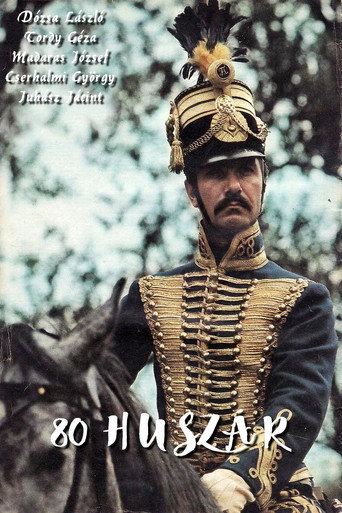
80 Hussars
The film tells the story of a regiment of Hungarian hussars stationed in Poland. The hussars, mostly ordinary men, have heard news of the uprising and wish to return to the homeland to defend the newly independent country. The Empire, on the other hand, is firmly resolved that all Hungarian troops in the imperial army should be kept as far away from the trouble spot as possible, knowing that most soldiers would be loyal to Budapest rather than Vienna.

Silence and Cry
Set during a turbulent era of disquiet, fear, persecution and terror, which permeates every corner of post-WWI Hungarian society. In 1919, after just a few months of communist rule the Hungarian Republic of Councils falls victim to a nationalist counter-revolution. Admiral Horthy, leader of the nationalist far right movement, becomes the self-proclaimed regent of Hungary, and assumes power as the legal Head of State. Soldiers of the short-lived Hungarian Red Army are now on the run from relentless secret policemen and patrol units of the nationalist Royal Gendarme. If caught, ex-Red Army soldiers are executed without mercy or proper trial. István Cserzi, a former soldier of the Red Army has fled to the Great Hungarian Plains and has taken refuge on a farm, which is run by two sympathetic women.
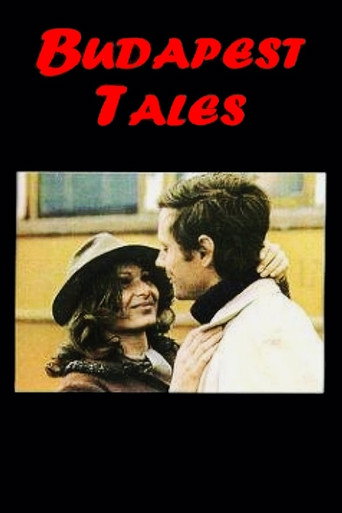
Budapest Tales
"Budapest Tales" is about a group of people (consisting of Szabo regular Andras Balint along with Ildiko Bansagi and Karoly Kovacs) who find a broken down tram while trying to go to the city. The people band together and try to get the tram back on the train tracks and head towards the city. Along this journey the passengers encounter many people who join them on the tram. What started out as only a handful of people has now turned into a small village. As the people travel on to the city each person takes on certain roles and through the course of time these roles will change. Some people fall in love, others out of love, and a few even die. But life goes on. The people keep the tram going hoping to reach Budapest.
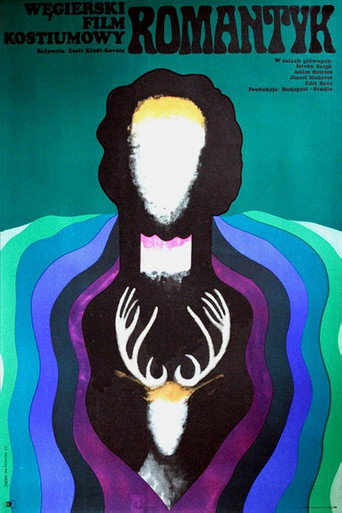
Romanticism
This film, set at the end of the 18th century, in a provincial and noble environment raises the question of humans forced to lead a meaningless life. The rich Transylvanian noble youth, Kálmán, absorbed the spirit of freedom and enlightened culture in Paris. Returning to his father's estate, he encounters a superstitious backwardness and an orgiastic storming of violence and instincts.
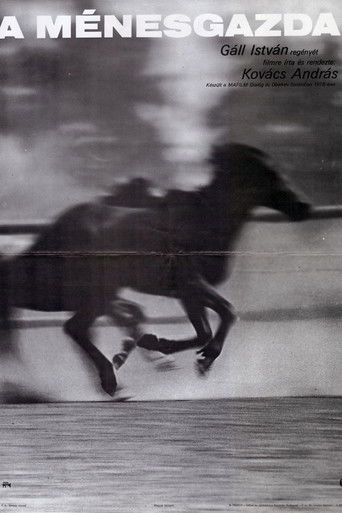
The Stud Farm
In 1950, when a young communist director arrives to take charge of a stud farm near the Hungarian borders, his efforts to draw on the experience of the old hands there meet with little success. Janit Busó is not accepted by the farm workers, who were exiled here and branded as class enemies. Busó tries to gain authority, which is not easy among these proud, resentful people who are skilled in their profession. In his difficult situation, the dubious support he receives from the party does more harm than good.
Gallery