Camera
No biography available.
An oil driller falls for the lonely farm wife of a man working in Budapest.
Through the personal memories of István Szabó we can became the observers of the life of Budapest.
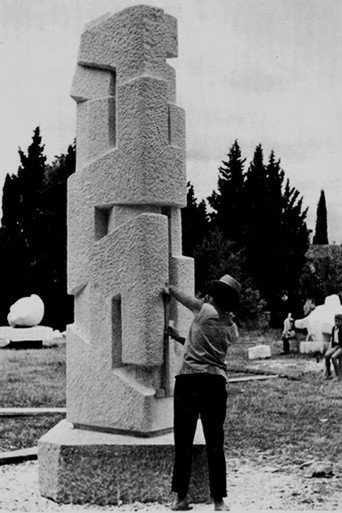
"The geometric structure, the construction of a statue is as important as the skeleton in a living being (...) it must be like poetry, music that awakens feelings in Man" - M. Frank
This light comedy with grotesque elements tells the story of M, the young and beautiful model mother, who seeks happiness and a father for her precocious, but inventive daughter, Tündike.
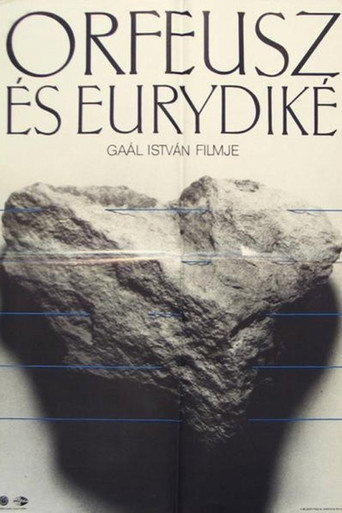
The opera-film, as opposed to Gluck's Vienna version, is a recollection of the ancient tragic Greek myth. Orpheus, who is able to defeat Hades with the power of art, is unable to conquer his own human defects. Amor is sympathetic to Orpheus' sufferings as he mourns his dead beloved, and lets him know the message sent by the Gods, namely that he may take her home from the underworld if he is capable of not looking at her.
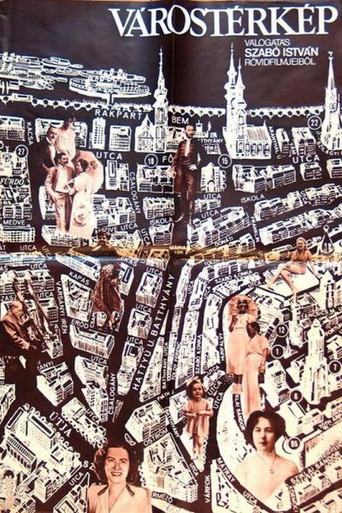
István Szabó reveals a lesser-known side to the public in this work, which strings together eight shorts of Budapest into a single movie. In the piece interpretable as a declaration of love addressed to the capital there are numerous motifs that are also to be found woven through the director’s major features, first and foremost Szerelmesfilm (Love Film), Tűzoltó utca 25. (25 Fireman’s Street) and Budapesti mesék (Budapest Tales). Besides allowing the viewer to marvel at the cityscape from 50 years ago in a series of fast-moving images, the film is still primarily about Szabó’s Budapest: his observations, his impressions, his imagination.
A story of two young people in Hungary, Jancsi and Kata. First they are good friends, later lovers. Soon after the 1956 Revolution Kata leaves Hungary, Jancsi stays there. After 10 years Jancsi is allowed to visit Kata in France, their love is reborn, but after a short, very happy period Jancsi has to return to Hungary and their love fades as years have gone by.
A story about the Hungarian pioneers summer vacations.
Szegedi Anna, a lawyer having just arrived back from Naples wants to divorce his husband, also a lawyer, because since a hot night she has only been thinking of Laczkó, the handsome businessman.
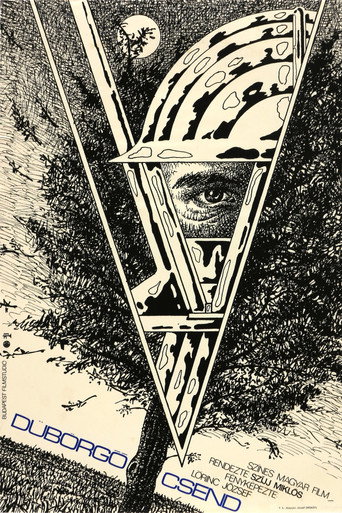
While awaiting his release from the Soviet detention camp he is being held in, a half-starved refugee (Andras Ambrus) finds that an error has been made and his name is not on the to-be-released list. It is then that he is forced to assume the identity of a dead man whose name is on the list. Ambrus at first refuses, but because he was an orphan and cannot produce evidence of his true identity, he has no other choice. However, when he returns to the outer world and the community he was raised in, he is greeted with suspicion. When he tries to claim his part-ownership of a farm from his adopted uncle, he is refused and beaten by farmhands the uncle sets on him.