Directing
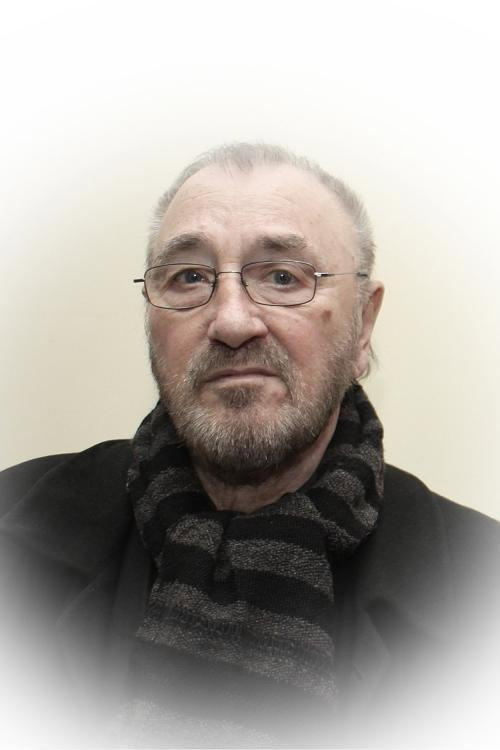
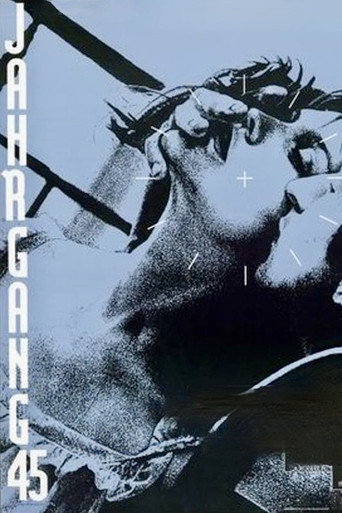
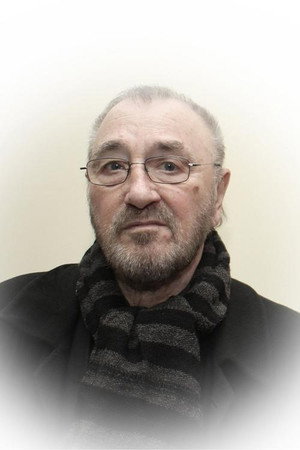
Jürgen Böttcher (pseudonym Strawalde, born 8 July 1931) is a German film director and painter. He is best known for his film Born in '45.
Interview with Jürgen Böttcher about his filmmaking practice conducted and directed by Christoph Hübner
This documentary follows a group of women on a typical workday as they prepare meals for a dockyard in Rostock. The viewer never learns their names - there are no interviews. The women are presented simply as workers: cooking, cleaning, hauling, and serving dishes amid clanking pots and hot steam.
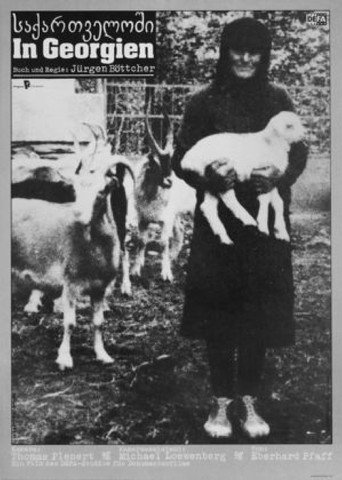
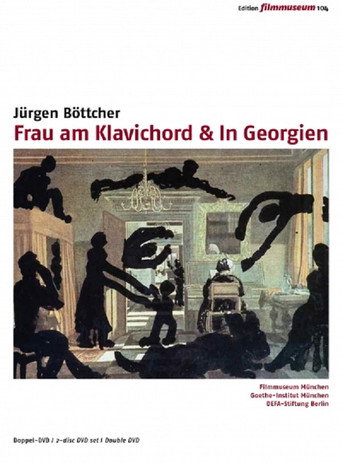
Impressionistic East German documentary filmed mainly in the Georgian countryside in 1986-1987. The director, a painter, wanted to see if similar scenes to those found in the work of Georgian painter Niko Pirosmanishvili still existed there.
This color documentary tells the story of the "Mamais." In 1960, a group of workers at the Bitterfeld chemical plant set themselves the task of becoming the first "socialist brigade" in the German Democratic Republic (GDR) to act in accordance with the slogan "Work, learn, and live socialist."
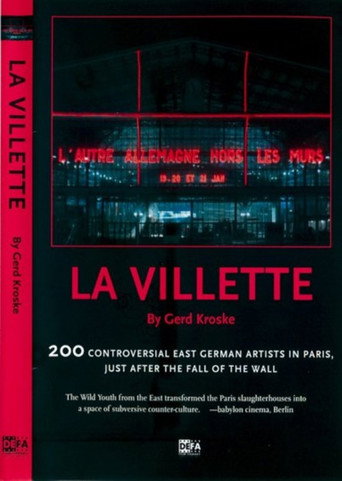
Only two months after the fall of the Berlin Wall, in January 1990, almost two hundred controversial East German visual and performance artists—including Jürgen Böttcher, the Autoperforation Artists, AG Geige, Via Lewandowsky, Trak Wendisch, Conny Hege, Klaus Killisch, Helga Paris and Hanns Schimansky—presented works rarely shown in the GDR at the exhibition space in the former La Villette slaughterhouses on the outskirts of Paris.
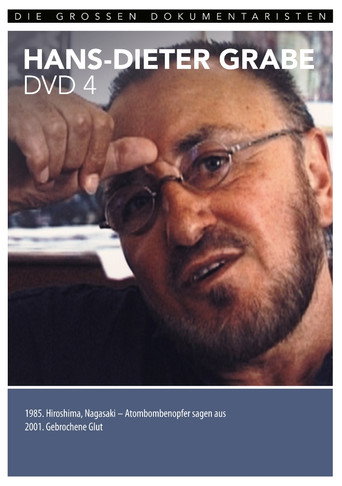
Grabe's film about his friend, fellow filmmaker, and painter Jürgen Böttcher aka Strawalde.
In this interview with contemporary witnesses, painter and director Jürgen Böttcher talks about some stages of his professional career. This also includes his path to film art and his work at Deutsche Film AG (DEFA) in Potsdam-Babelsberg. He also tells of his experiences during the shooting of films such as "Barfuß und ohne Hut", "Rangierer" and the documentary film "Jahrgang 45", once banned but finally re-released at the Berlinale 2015. During the conversation, questions about the difference and similarities between painting and film, the significance of music in film, Böttcher's preference for black and white, and his criteria for choosing topics for documentary film projects will be discussed.
Strawalde (Jürgen Böttcher) and Ralf Winkler (A.R. Penck) meet on the afternoon of September 18, 1991, in a factory loft in Berlin-Wedding to paint a picture together.
Originally banned in 1966, East German director Jürgen Böttcher's tale of love and disillusionment among two newlyweds attempting to navigate the treacherous world of marriage was never officially released in his homeland until after reunification in 1990.
Documenting a May Day demonstration in West Berlin in 1972
A young officer suffers under his ambitious wife, who is determined to make a captain out of him. Meanwhile, ship's cook Andresen becomes a father and, for the sake of his wife, becomes an innkeeper ashore, but he is still driven by wanderlust.
A documentary about the deconstruction of the Berlin Wall which makes no use of vocal commentary but instead focuses on visual elements. From the Potsdamer Platz to the Brandenburg Gate, the camera captures the historic events from all sides and different angles: on the one hand there are news reporters and tourists from all over the world taking pictures, children selling pieces of the wall to passers-by, and people celebrating New Year's Eve, on the other we see abandoned subway stations and officials with blank looks on their faces.
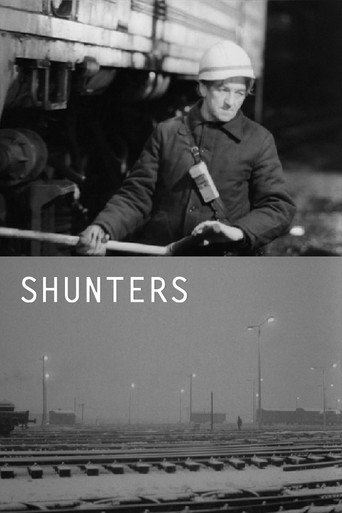
Experienced shunters working at the Dresden-Friedrichstadt goods yard. In all weathers, day and night, they couple and uncouple the wagons. The air is full of sound: hammering, steps crunching on the gravel, whistles and shunting noises.
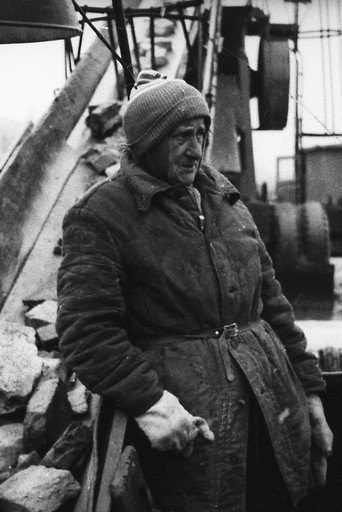
Martha Bieder is the last rubble-woman in Berlin Rummelsburg. Every day, rain or shine, she stands at the conveyor belt - as she has for decades - sorting through rubble. After a retirement party thrown for her by her male colleagues, she tells her story of being a rubble-woman in post-war Germany.
Potter's Bull is the first part of the "Over-Paintings" Trilogy (Uebermalungen) by painter and director STRAWALDE (Juergen Boettcher). Paulus Potter's simple postcard scene entitled "The Young Bull" ("den jungen Stier") is artistically alienated in an imposing fashion. By using assorted means of "painting over" and/or front projections, the figure of the bull in the center of the card is placed in a state of constant flux. A viewer may also choose to follow the shifting background behind the bull, which continues to recontextualize the bull in shifting worlds. Accompanied by a sound collage.