Jörg Knochée Movies, TV Shows, and Filmography
Jörg Knochée
Acting
Biography
No biography available.
Filmography Movies
Acting
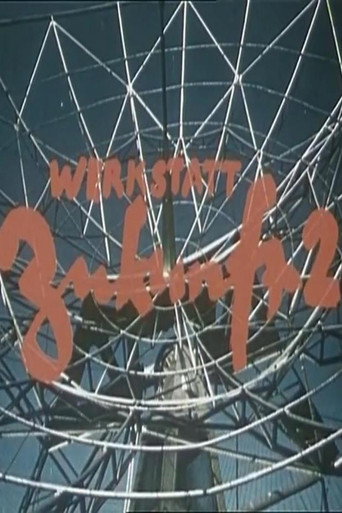
Werkstatt Zukunft II
People discuss their ideas of the future. In this 2nd episode of the film series, the problem of "beauty" in our current and future ideas is discussed. The demand for beauty is not just a demand on the arts, but on the various areas of life.
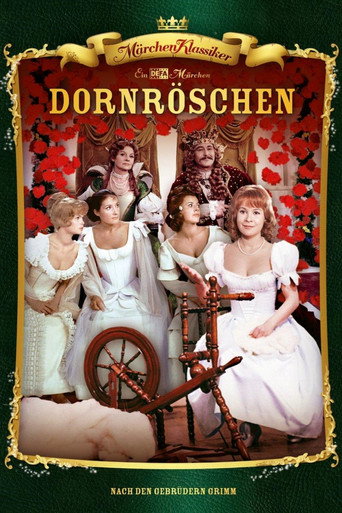
Sleeping Beauty
On the occasion of their daughter's birth, the king and queen give a lavish feast. Among the guests are twelve fairies who endow the infant in the cradle with all good qualities. As the king loathes diligence, he does not invite the thirteenth fairy - the fairy of diligence. A captain lets her slip into the castle and she casts a spell on Sleeping Beauty, wishing death upon her. The twelfth fairy transforms and mitigates the spell. On the day she turns fifteen, the princess is to sink into a hundred-year sleep after pricking her finger on a spindle.
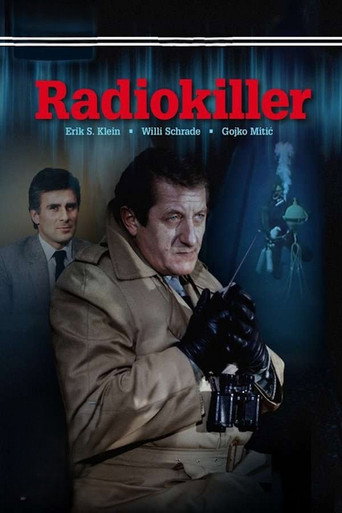
Radiokiller
Enemy secret services from the West had used modern technology for the "cold war", i.e. the confrontation with the Eastern Bloc, and developed a device called COMMINT 3-72. Its nickname was "Radiokiller". This weapon was not much bigger than a soccer and could be easily camouflaged on the territory of the GDR, for example as a fieldstone, the remains of a wall or a lump of earth. These enemy objects were inconspicuous on the outside, but packed with complicated inner workings, i.e. highly sophisticated microelectronics.
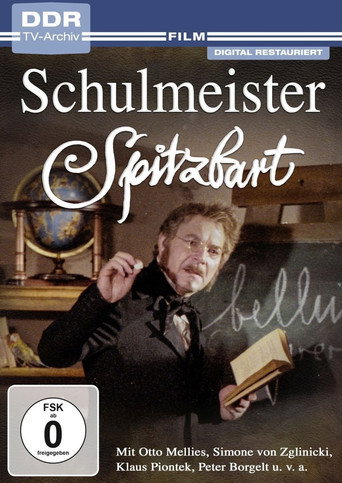
Schulmeister Spitzbart
1831. A village schoolteacher Matthias Spitzbart dreams of the ideal school and writes a textbook on the perfect educational institution. When he becomes principal of a grammar school by chance, he puts his ideas into practice. His almost missionary-like zeal blossoms in wondrous ways, but his family idyll is deceptive. Entangled in his activities, Spitzbart fails to see his wife's affair with pro-rector Mehlmann, daughter Friederike flirts with the trainee teacher, and son Michael's misdeeds are enough to make a mockery of his efforts at exemplary behavior. Teachers, parents and the mayor are of the opinion that he has upset everything that worked before: he is dismissed...
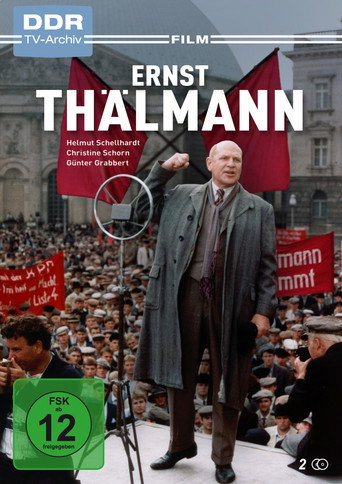
Ernst Thälmann
This elaborate two-part television film features a section from the life of communist worker leader Ernst Thälmann. It begins with the bloody riots on May 1, 1929 in Berlin, in which police officers shot at demonstrating workers, and ends with February 7, 1933, when Thälmann appeared as a speaker at the illegal meeting of the Central Committee of the Communist Party of Germany in goat neck. This period was marked by the struggle of the Communists against the ever stronger National Socialists and the rise of Adolf Hitler.

Der Streit um den Sergeanten Grischa
Russian soldier Grisha escapes from a German prisoner-of-war camp in the spring of 1917. He is caught and is to be shot as a spy. This decision is controversial. The dispute continues. Grisha is executed on the orders of the army high command.
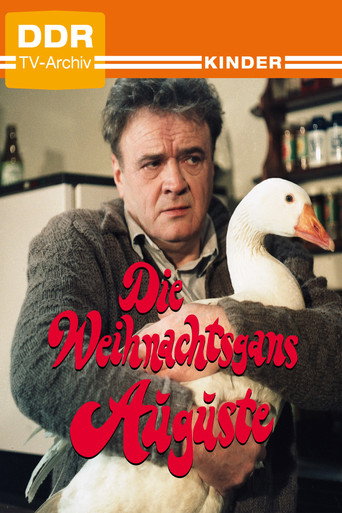
Die Weihnachtsgans Auguste
The opera singer Ludwig Löwenhaupt wants a proper festive roast for Christmas, so he buys a goose in advance to feed the whole family. What he doesn't realize, however, is that the children, Elli, Gerda and Peterle, will grow fond of the animal, which is christened Gustje, and will no longer want to eat it. After the "liberation", the "five kilos of meat", which were initially locked up in the cellar, become a pet that the children take to bed with them and communicate with. But shortly before Christmas, father Löwenhaupt still wants to slaughter them. However, as his family protests and his conscience gets in the way, he can't slaughter the goose after all. So Gustje only has to leave a few feathers as proof that she has been plucked, and the opera singer is given another goose that has already been cut up.
Der Hasenhüter
The young shepherd Konrad wants to ask the princess to marry him. All the exhortations of the kitchen maid Anne are to no avail. With the help of a magic flute, Konrad solves all the tasks set by the king and the princess. In doing so, he recognizes the princess's true character and so he decides in favour of Anne, not without first severely punishing the greed of the royal court.
Carla
An idealistic teacher is shocked to discover her pupils are already cynical and opportunistic. Her colleague soon grows resentful when she uses new and challenging techniques to help her students overcome obstacles.

Declaration of Love to G.T.
Dr. Gisa Tonius, a physicist in her thirties who has a nearly adult stepdaughter, cherishes the desire to have her own child. Suddenly, a big interdisciplinary research project threatens to significantly change Gisa′s life. Uncertain whether to look for professional or private fulfillment she asks her family and friends for their opinions. They all have different views on the point at issue. While her husband is afraid of losing her to her profession, her professor thinks that because of her talent she has an obligation towards science. In the end, Gisa reaches a decision: She wants to have a baby as well as take on the research project.