Directing
No biography available.
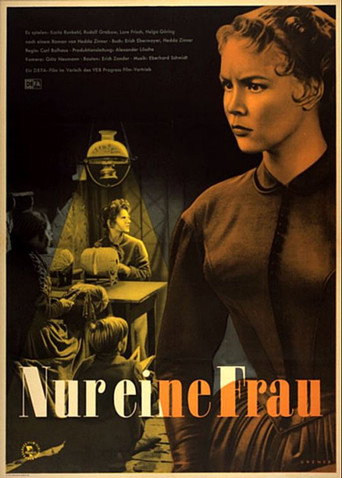
The film tells the life story of Louise Otto Peters, who in the middle of the XIX century in Germany for the first time raised a voice of protest against the unfair treatment of women and their labor. She created the first "women's newspaper" in Germany. The daughter of a famous lawyer, Louise could have easily arranged her life by marrying the wealthy Baron Rodern. But she chose a different purpose in life - to fight for equal rights for women. Through her articles and public speeches, she won the authority and respect of ordinary people.
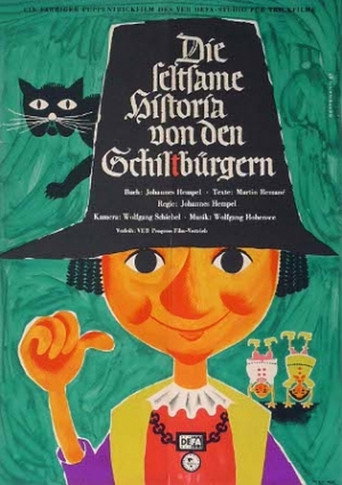
The first animated feature film made in East Germany. The people of Shilda were once welcome at the courts of princes all over the world, but back at the Shilda castle work remained and had to be carried out by the women of the town. The women grew tired of this and called their men back. After many foolish decisions, the townspeople were victims of their own devices, and eventually set fire to their own city. The fire destroyed everything, and the citizens of Shilda fled out into the world.
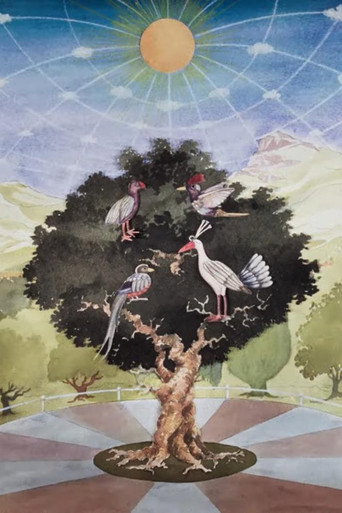
Tolpatsch is a good-natured boy who always tells the truth and has immense powers. He fishes a sword out of the lake and sets off on an adventure. After a battle with an evil fairy, Tolpatsch and his companion, a cheerful raven, arrive at the castle where a princess lives. She is not allowed to see the sun, moon or stars until she is sixteen and lives in an artificial world. Tolpatsch answers three questions about the ugliness of this world with the truth. The princess is redeemed and the two become a happy couple.
Uli has found an old book in the attic of the Kulturhaus that tells of the exploitation of the peasants by the feudal lords. He tries to imagine how the robber barons would fare in a socialist village. Then two of this type step out of a dusty picture and Uli joins them on their way to the village. There they fail miserably with their overbearing behavior, and even a break-in turns into a failure.
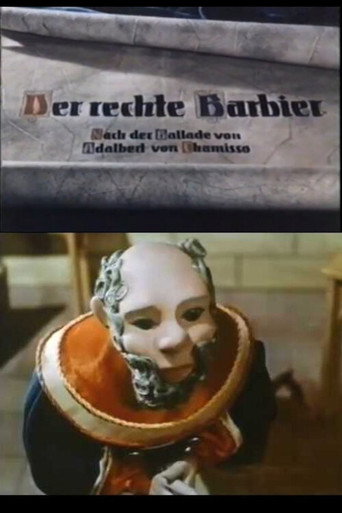
Around 1500, a gentleman enters the barber's shop of a small town. He throws a purse and his dagger on the table and demands in a harsh tone that his beard be shorn. The gentleman promises to pay the master in gold for a perfect shave, but if his skin is even scratched, he will have to pay for it with his life...
The devil's grandmother sends her grandson to visit the Punch and Judy family. The devil hypocritically promises to behave in an exemplary manner, but does the opposite. He secretly eats the pudding, smashes the bowl, lies through his teeth and flees when he is caught by the policeman. Punch and the policeman pursue him and catch him with great difficulty. The adventure ends with a clear defeat for the devil and the devil's grandmother's anger at her clumsy grandson, who has once again been caught out.
When the Nazis took power, the Jewish artist Leo Haas (1901-1983) was arrested in his Czechoslovakian hometown. He spent the next six years in different concentration camps and became known for the paintings he did in the Theresienstadt camp. This film presents Haas as a political artist and resistance fighter and celebrates him as a socialist caricaturist dedicated to the GDR.