Writing
No biography available.
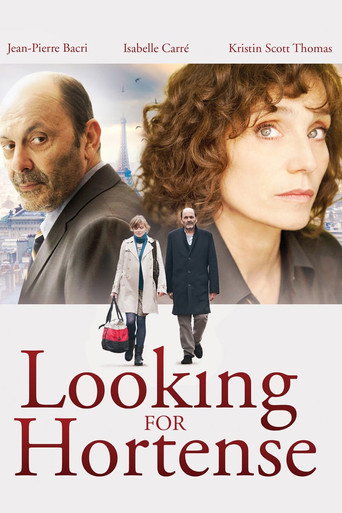
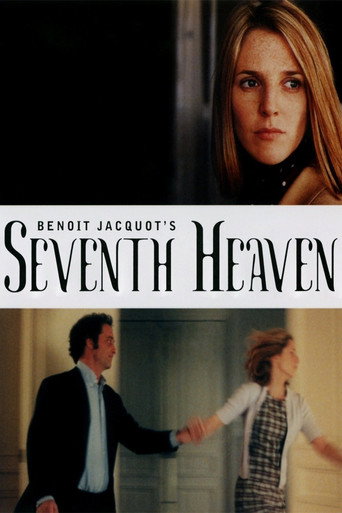
After 10 years and two children together, Philippe and Marion, finally decide to take a honeymoon Holiday in Venice. At the train station, a abandoned bag filled with money will bring them to a different journey. A journey of doubt where reality never quite lies where it seems, leading from separation to reconciliation.
Reel 23 of Gérard Courant’s on-going Cinematon series.
Damien, a Chinese civilization professor, lives with his wife, Iva, a stage director, and their son Noé. The couple's relationship has drifted into routine that has drained it of love. Damien finds himself trapped one day by Iva, who orders him to ask his father, a senior member of the French Council of State, for help in preventing Zorica, a woman Iva knows, from being deported. But Damien and his father don't get on and are barely ever in touch with each other. This dangerous mission throws Damien into a spiral that will turn his life upside down.
Like every weekend senator Henri Pagès and his wife entertain guests at their beautiful mansion in a peaceful village near Paris. But this time around, things go awry: Pierre Collier, a psychoanalyst and consummate womanizer, is brutally murdered. Claire, his wife, dazed and confused by his corpse, with a smoking gun still in her hand, seems to be the ideal culprit...
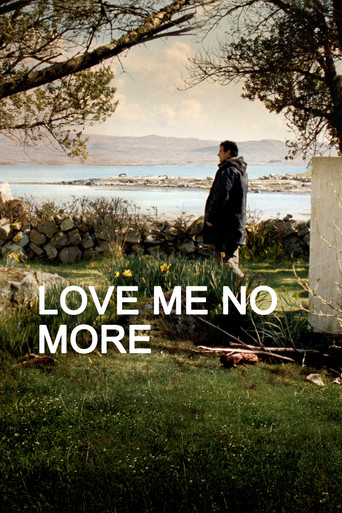
Antoine Méliot is around 40 years old and has everything he needs to be happy: a beautiful wife, two adorable children, friends he can count on, a pretty house in the Yvelines and money. But one day he decides to ruin everything in one weekend.
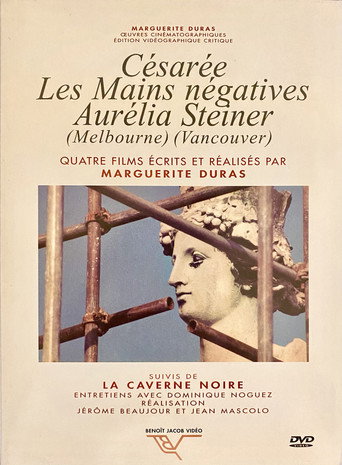
In this interview with Dominique Noguez, Marguerite Duras talks successively about each of her four short films made in 1979: Césarée, Les Mains négatives, Aurélia Steiner (Melbourne), Aurélia Steiner (Vancouver). She touches briefly on the various subjects dealt with: the return to Césarée of Berenice, repudiated for reasons of state, Jewish wandering, the scandal of the camps in the two Aurelia Steiner. Negative Hands as the colonial data of humanity, a film offered to the blacks and Portuguese who clean up Paris before leaving the place. Marguerite Duras also comments, with excerpts, on the various traveling shots that make up the main plot of each of the short films. And the documentary ends with a few words of epilogue: a real pamphlet by Marguerite Duras against dreams, significantly entitled Work and Words.
A bored, sexually frustrated woman's life improves when she begins hypnotherapy and tries feng shui, but her husband's life unravels.
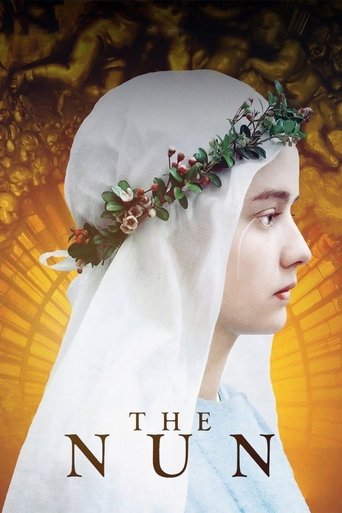
Suzanne Simonin describes her life of suffering in letters. As a young woman she is sent to a convent against her will. Since her parents cannot afford the dowry required for a marriage befitting her rank they decide she must instead become a nun. Although a kind and understanding Mother Superior helps her to learn the convent’s daily routine, Suzanne’s desire for freedom remains unabated. When the Mother Superior dies, Suzanne finds herself faced with reprisals, humiliation and harassment at the hands of the new Abbess and the other Sisters. For many years, Suzanne is subjected to bigotry and religious fanaticism. (Berlinale.de)
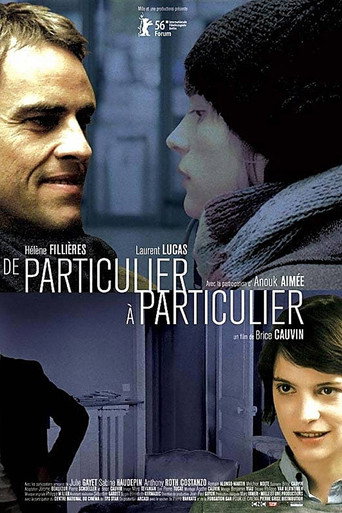
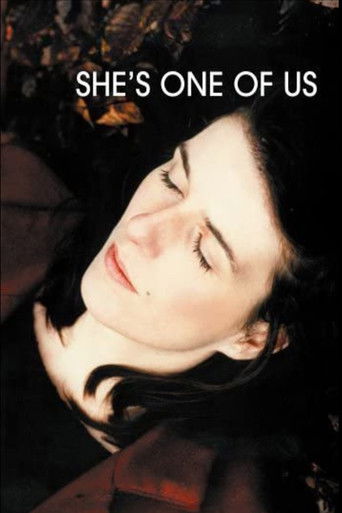
At the start, Christine Blanc is a temp, her boyfriend has gone. Near the story's end, she's been offered a steady job, she has a fiancé, other men seem interested in her, she's passed her driving test, and, after she wins 1000 Euros in a scratch-off, her colleagues sing that she's a jolly good fellow ("one of us"). But something's askew: her gaze is too direct, her eyes open too widely; conversational gambits hit odd notes; she parrots others' words; she cooks too much food when she invites a supervisor to dinner. When the supervisor takes Christine on a spontaneous outing that disorients her, her oddities become something else. Can things ever be normal?
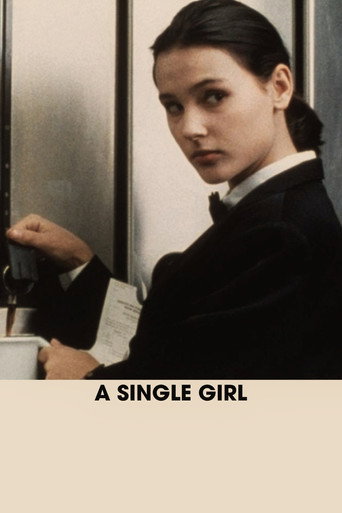
A young Parisian must make major decisions about pregnancy, a job and her boyfriend.
A documentary about filmmaker Marguerite Duras.