János Pásztor Movies, TV Shows, and Filmography
János Pásztor
Acting
Biography
No biography available.
Filmography Movies
Acting
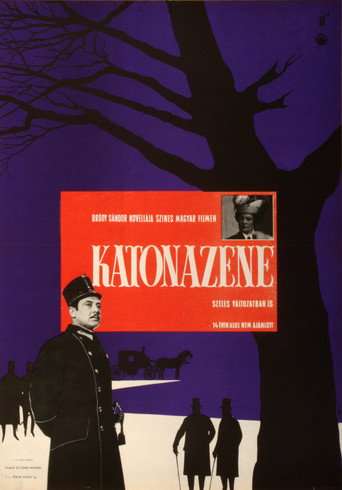
Military Band
Merry soldiers arrive in the sleepy Transdanubian town. The cynical woman-hunter, Ferdinándy, learns to know doctor Barlay's beautiful wife at a carnival. She lives a happy married life, and the attentions of the lieutenant are all in vain.
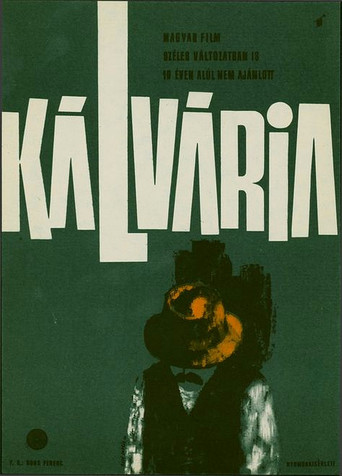
Calvary
Following his wedding, Feri left the co-operative and is now working on the land of his father-in-law. Tóth is extremely wilful and thrifty, working from early morning to late night, pushing his family as well.
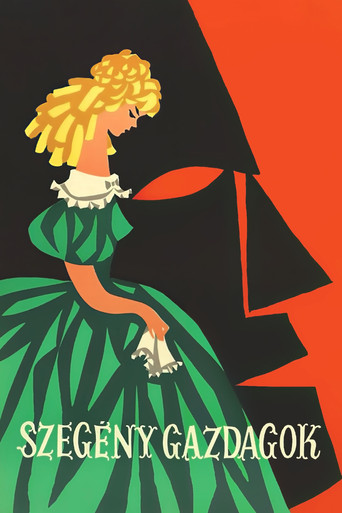
Fatia Negra
The old, sickly Demeter Lapussa is a tyrant in the family. He forces his granddaughter, the beautiful Henriette, to marry baron Hátszegi, although the girl loves the penniless Vámhidy Szilárd. The two lovers attempt to commit suicide, then are torn away from each other.
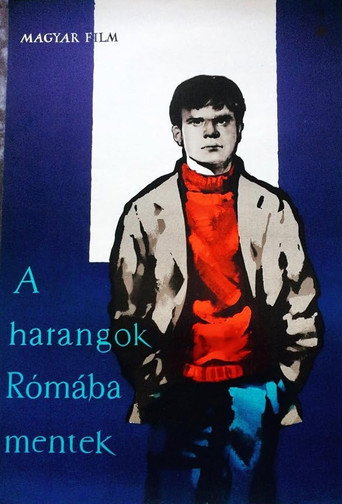
The Bells Have Gone to Rome
The movie addresses the anti-fascist theme taken from a moral perspective. The movie tells the story of a group of teenagers who were drafted to the front in the last weeks of World War II and found refuge on a small island.
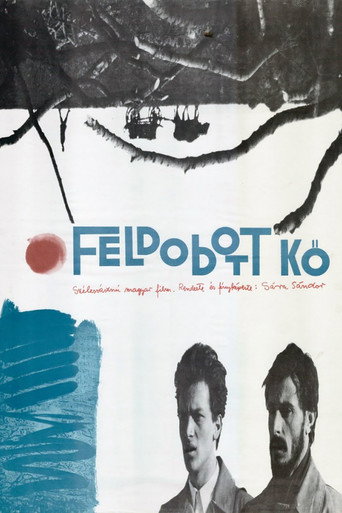
The Upthrown Stone
An aspiring film student is denied a scholarship to the state-funded university when his father is thrown in jail. The man had stopped a train in order to facilitate the union between two old friends. The son then takes a job as a land surveyor and meets a Greek man who works towards the collective benefits of the peasants. The man is killed in a peasant uprising prompted by a bureaucratic boondoggle. The surveyor looks after the man's widow as his emerging political and social awareness leads him take a stand against government injustice. Another incident, in which gypsies are rounded up by state hygiene workers, further galvanizes the man's beliefs. He photographs the incident, and his work allows him to be accepted into the school from which he was previously denied admission.
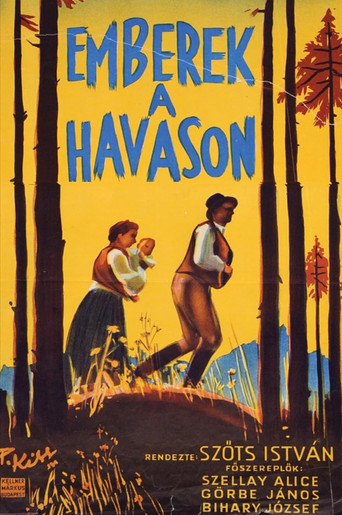
People of the Mountains
A simple, religious Hungarian woodcutter lives with his wife and boy child with a small community of squatters among the peaceful mountains of Transylvania until a lumber company claims their land and forces them all to become company workers or else leave the land. This 1942 Hungarian film takes a detailed and unflinching look at the hardships of mountain living, and the realistic approach proved influential to the Neorealist movement in Italian cinema. Hungarian master director Istvan Szots won the Biennale Cup at the Venice Film Festival for his auspicious debut, but the film was banned by the Nazis as "too Catholic" and not publicly exhibited until after World War II.
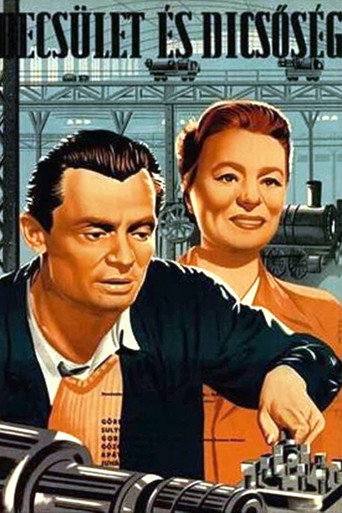
Honour and Glory
Lugosi works in the locomotive factory, earning little. He does not feel at ease in the world. One reason for his discontent is that his wife - a tractor factory worker - earns more than he does, and another is that she has even had her innovation accepted, while his has not. And because trouble doesn't come alone, poor Lugosi gets involved in a sabotage case.
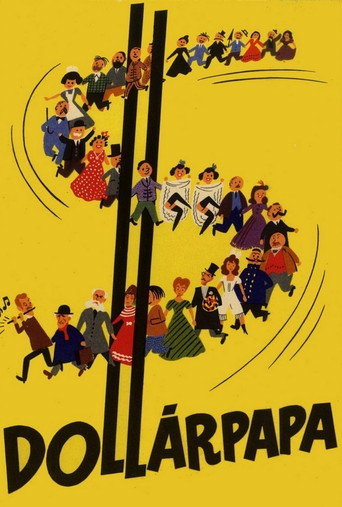
Dollar Daddy
A heavily indebted schoolteacher raising two marriageable daughters is buoyed by rumors that his long-lost uncle in America is a millionaire, until the uncle’s unexpected arrival in poverty sparks a rush of creditors, patrons and fortune-seekers. Ambitious lawyer Jenő Szekeres orchestrates the deception so that the family, the town and himself profit from the false fortune, and even when the truth comes out, everyone, including Szekeres, now eyeing a political career, chooses to uphold the lie.
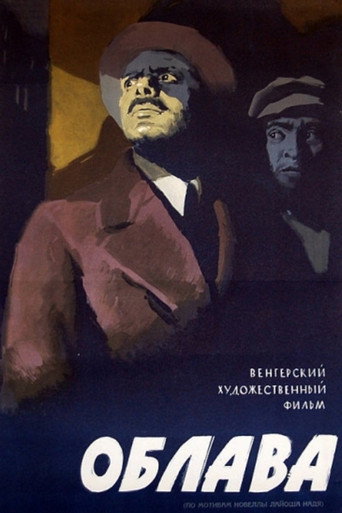
Raid
1932, Budapest. Gere János, an unemployed worker searching for employment in the capital, is organised into the secret police after a raid. Summary justice is declared, and the police wants to find an illegal communist press at any price. Gere, wandering about in the dark city, joins a man, helping him to carry his luggage. Slowly, Gere learns that his companion is a Communist and his task is to keep the press machine hidden from the police.
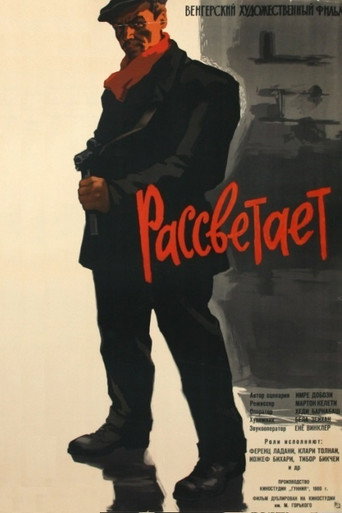
Virrad
A sequel to "Yesterday". About the defeat of the Hungarian uprising of 1956. The action takes place in the barracks of the People's Army, in the War Ministry and in one of the largest factories in Budapest.