Acting
No biography available.
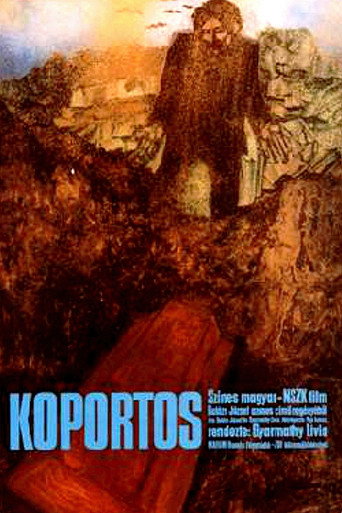
A Roma laborer living in a shantytown strives to organize a traditional, dignified funeral for his wife following her sudden death. He travels to the city to secure the necessary funds and arrangements, navigating various bureaucratic and social obstacles along the way.
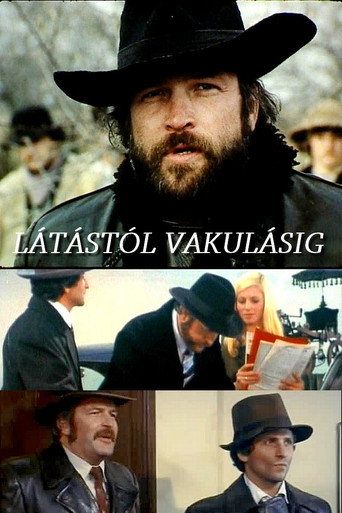
Those who don't work have to think very hard to make ends meet. Can one be called an artist of life who sells the Blood Field to Bulgarian gardeners in post-war Budapest? The need is great, sometimes greater than the power of the law, as long as an army of gullible people roam the streets.
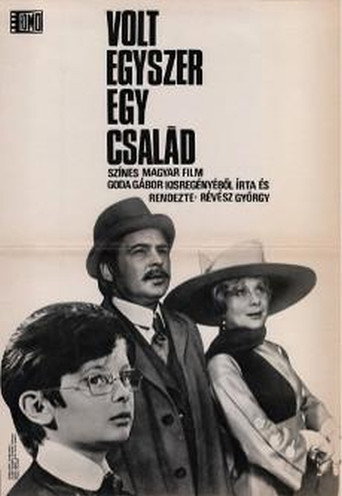
This film describes the narrator's childhood, the years before and after the Hungarian Soviet Republic, in a burlesque and fabulous style and with the humour of a child's fantasy.
The dramatically dense film takes place in workers' surrounding in the sixties. It raises the newspaper article serving as the basis for the short story to be a model: in a plastic factory fire breaks out causing enormous damages.
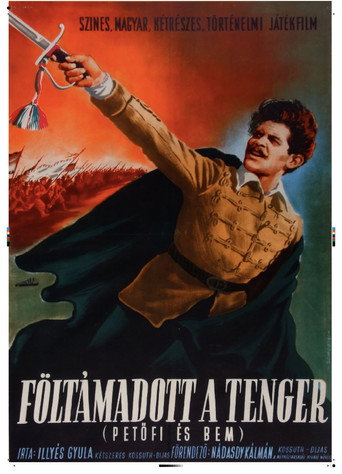
March 15, 1848; the revolution breaks out in the town of Pest. Yet at café Pilvax, in among he revolutionary youth, there is the informer of the imperial court as well. Hearing the news of the attack led by Jellasics, the inhabitants of the villages pour into the national army, and Hajdú Gyurka also escapes from his landlord. Petőfi is there at the camp of the revolutionaries, raising them to enthusiasm with his poetry.
An oil driller falls for the lonely farm wife of a man working in Budapest.
A group of landless Hungarian peasants accept work as migrant-laborers on a farm in northern Germany where the wages are good, and the wives and family are allowed to accompany them. Though it is in the midst of World War II, they are relatively well-off. However, they glimpse the treatment accorded to POWs and others who are not so gently treated, and at the conclusion of the year's harvest, they choose to return to Hungary and are quickly swept up in the tides of war. This film is part of a series of films by award-winning, well-respected director Zoltan Fabri who devoted much time and effort chronicling the struggle against fascism.
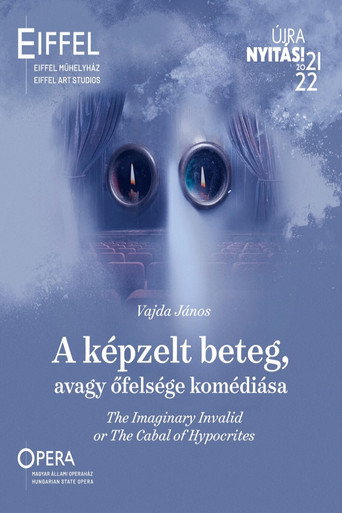
The wealthy Argan ‘enjoys’ poor health. Even though his daughter is in love with another man, he wants to marry her off to a medical dunce who can secure a lifetime of medical care for his father-in-law. A fake death scene finally teaches Argan where to put his trust. Following the success of his previous works, this is the fourth opera by János Vajda to be staged at the Hungarian State Opera. Based on both Moliere's Le malade imaginaire and Mikhail Bulgakov's play about the French playwright, Vajda's new opera incorporates Moliere's life story, giving bass-baritone András Hábetler the rare opportunity to play the dual roles of Argan and Moliere.