Camera
No biography available.
Based on a radio play by Elena Antalova. The original psychological chamber story, centred on the relationship between a mother and daughter condemned to forced cohabitation, in which the wrongs and traumas of the past gradually emerge in the fate of a family marked by a tragic secret, has been expanded in the television version to include a retrospective narrative, capturing the turning points of social change and their impact on the characters and relationships within the family. As the mystery surrounding the tragic death of the youngest daughter is gradually revealed, the dramatic tension and development of the two women's relationships builds suggestively towards the shattering discovery of the truth, the dilemma of punishment and its meaning, and the cathartic reconciliation.
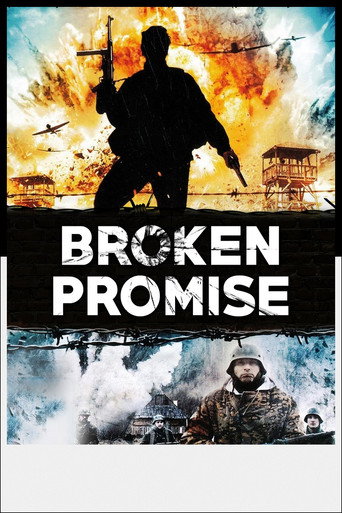
Slovakia, on the eve of the outbreak of World War II. The family of the young Jewish Martin Friedmann gathers to celebrate his bar mitzvah and make a solemn promise that they will all meet again a year later around the same table; but the storms of war and anti-Semitic fanaticism will lead each of them down very different paths.
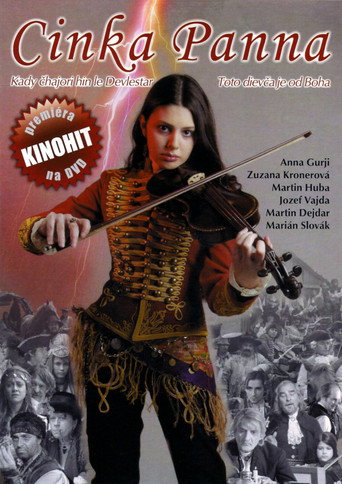
The most famous gypsy prima donna, Cinka Panna, lived and worked in the 18th century at the crossroads of two worlds: the aristocracy she played for and the gypsy community in which she lived her private life. A community that had its own rules of existence. In the spirit of tradition, she was sold into marriage. A young woman's desire is to succeed in a traditionally male profession. To become the first prima donna. But the goal requires sacrifice. Historical, narrative, the story captures a universal theme: the struggle for recognition and a place in the world. It reminds us that times and costumes change, but human problems remain... And these are what make the film's story timeless.
The dramatic story of the life of Slovak boatmen on the Danube during World War II is depicted through the eyes of a six-year-old boy who is forced by the events of the war to spend a dark time with his grandparents in the village. Despite the fairy-tale-sounding title, this film takes place at the end of the war in the Slovak countryside during World War II, and its child hero is the son of a Danube boatman who experiences incredible adventures. The Little Lifeguard's Lamp ranks among children's films that seek speciality in the realities of war. It explores both a children's world with a shifted lens of perception and the impact of battles interfering in the lives of the youngest.
The story of Mr. Nicholas, a lonely old pensioner, begins the moment he decides to make children's dreams come true. As a temporary worker, he works at the post office, where letters addressed to St Nicholas have been piling up since the end of November. The post office workers put them in an old banana box and nobody notices them anymore. After all, who has time for such stupidity. It is only Nicholas Frost, in whose name the persons to whom the letters are addressed are associated, who thinks that this year he will make at least a few children in the house and on the street where he lives happy. And so he buys sweets and, with the help of a young student he has taken in at his place, starts delivering sweet parcels...