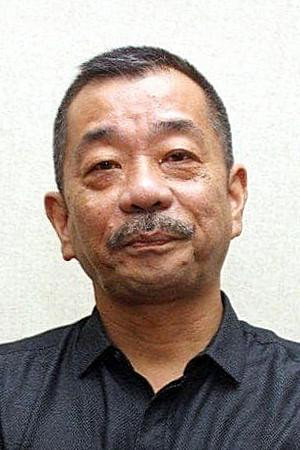
Jōji Matsuoka Movies, TV Shows, and Filmography
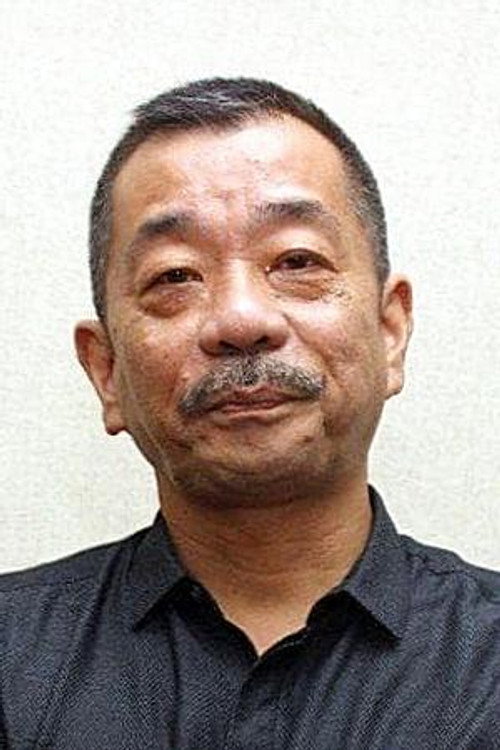
Jōji Matsuoka
Directing
Biography
No biography available.
Filmography Movies
Acting
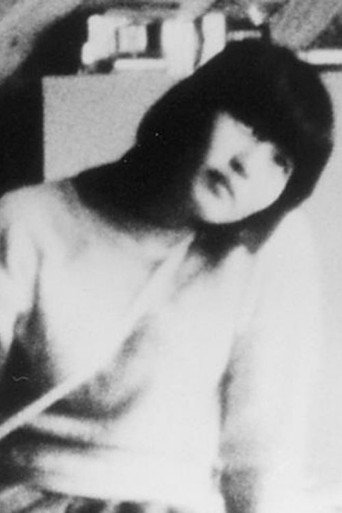
March
A high school girl one year younger than her has feelings for a senior who is going to university. She leaves her hometown and heads for Tokyo to attend university. She even tells him her dream of their life together as a married couple in the future, but he is hesitant to share it with her. March is a change of season and a change of life for the students. Following their lives at home and at school, the film depicts the romantic dreams of high school girls with realistic facial expressions and conversations.
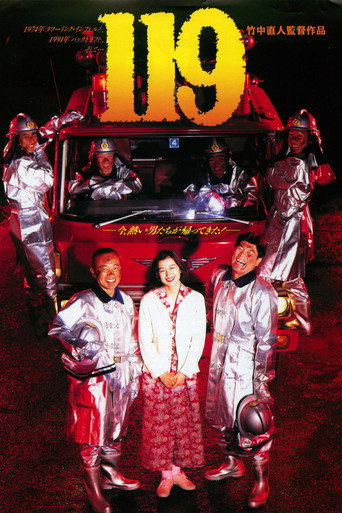
119
In Harari-cho, a small and quiet bayside town by the sea, the firemen have not seen a fire for nearly twenty years. Each day passes eventlessly... until one day. The monotony of their daily lives is interrupted by the appearance of a beautiful female college student, Momoko, who comes to visit her aunt. After catching a glimpse of Momoko, both Tatsuya and Nobuyuki can't stop thinking about her. Since then, the small town is not so quiet anymore…
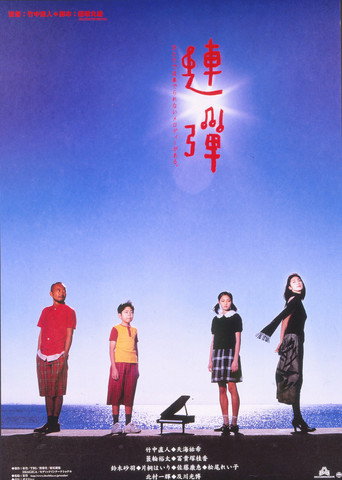
Quartet for Two
Shotaro and Minako are arguing. Minako has confessed her infidelity to her husband and informs him of her intention to leave him. She has ceased to enjoy living with a submissive husband. Minako, who works for a construction company, loves her job and is progressing in her successful career, while her husband eagerly takes care of the house and the kids. He buys groceries, he cooks, he does the laundry – constantly. The couple’s arguing intensifies until Minaka files for divorce. Their older daughter Mari isn’t that upset by her parent’s problems as she’s more interested in the piano piece she’s got to play with her mother at a concert organised by her music school; admittedly, she’s also rather interested in her music teacher. But her younger brother Toru feels betrayed by his mother and can’t manage to reconcile himself to his father’s role as a housewife. A partial reconciliation occurs at Minako and Mari’s concert, where their entrance on stage is met with loud applause.
Production
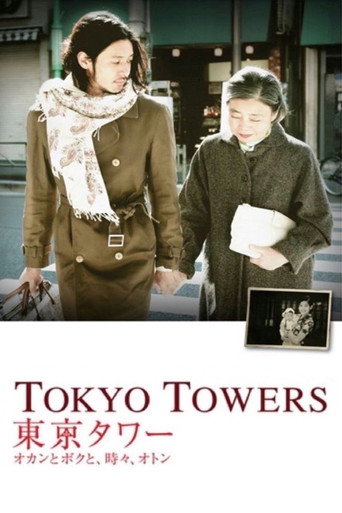
Tokyo Towers: Mom and Me, and Sometimes Dad
Adapted from the bestselling Japanese autobiography of the same title, this gentle coming-of-age drama concerns an adolescent boy, Boku - Masaya, torn between the inherited recklessness of his father Oton and the inherited responsibility, wisdom and emotional strength of his mother Okan. Following a period of intensely rebellious behavior, Boku learns that his mom has contracted cancer; suddenly, his mother comes to live with him in Tokyo the entire emotional landscape of his life is altered.
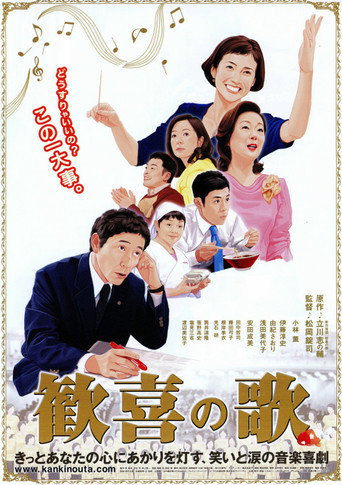
Double Trouble
Chief Iizuka, who works at the Cultural Center, misunderstands two chorus groups with similar names and double-books the concert hall on New Year's Eve. Although they talk to each other, neither of them gives up a step and develops into a big problem. Iizuka, who has lived his life with a "no-nonsense" attitude, finds himself in the middle of two groups and at a loss for words.
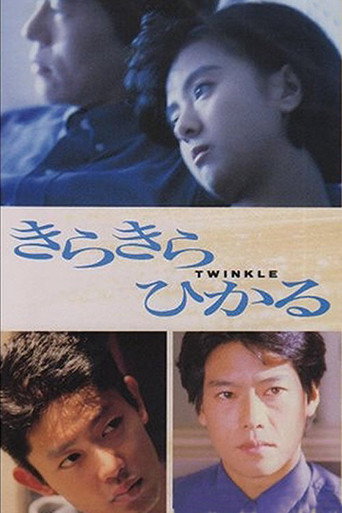
Twinkle
Shoko and Mutsuki get married to satisfy their worried parents, but she is well past the age at which a ‘good’ Japanese woman should marry, and he is in love with a young male college student.
Twinkle
Shoko and Mutsuki get married to satisfy their worried parents, but she is well past the age at which a ‘good’ Japanese woman should marry, and he is in love with a young male college student.
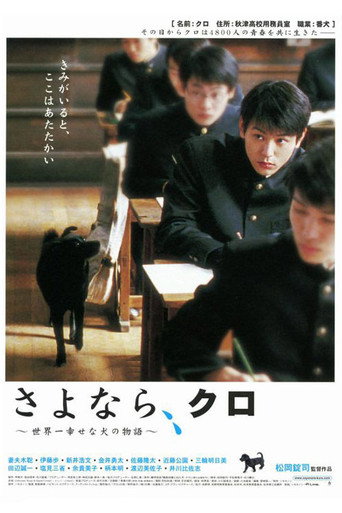
Farewell, Kuro
Based on a true story set in Matsumoto city, Nagano, during 1960s. A stray dog wanders into a high school's grounds. The dog, named Kuro, stays at the school and becomes a special friend to everyone.

Snow Prince
10-year-old Sota lives with his grandfather and a dog named Chibi in a small snowy village. They live in such a poverty that Sota cannot even afford to go to school, but however hard the situation is, Sota never holds a bad feeling against anyone around and keeps his dream alive to become a painter. He has been friends with Sayo, a girl brought up in a wealthy family, ever since they were little despite the difference of their family position, which Sayo’s father has uneasy feelings against. In spite of the difficulties he faces, Sota manages to complete a piece of painting which he wishes to give Sayo. He and Chibi goes down a snowy night path to Sayo’s house to find that her father’s storage is on fire... What waits for Sota and Chibi gently reminds that genuine happiness always exists in your heart.
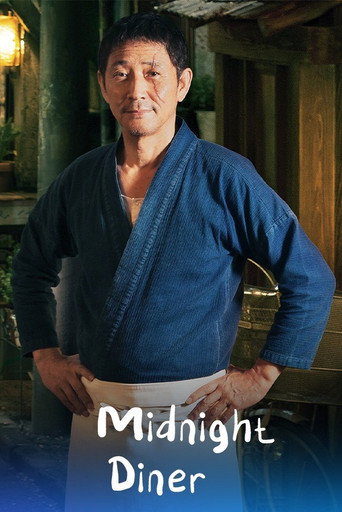
Midnight Diner
A restaurant opens at midnight. Both the menu offerings and personality of the owner draw a series of flawed patrons including Tamako, whose boyfriend has passed away, live-in worker Michiru, and ruckus-raising Kenzo.
Snow Prince
10-year-old Sota lives with his grandfather and a dog named Chibi in a small snowy village. They live in such a poverty that Sota cannot even afford to go to school, but however hard the situation is, Sota never holds a bad feeling against anyone around and keeps his dream alive to become a painter. He has been friends with Sayo, a girl brought up in a wealthy family, ever since they were little despite the difference of their family position, which Sayo’s father has uneasy feelings against. In spite of the difficulties he faces, Sota manages to complete a piece of painting which he wishes to give Sayo. He and Chibi goes down a snowy night path to Sayo’s house to find that her father’s storage is on fire... What waits for Sota and Chibi gently reminds that genuine happiness always exists in your heart.
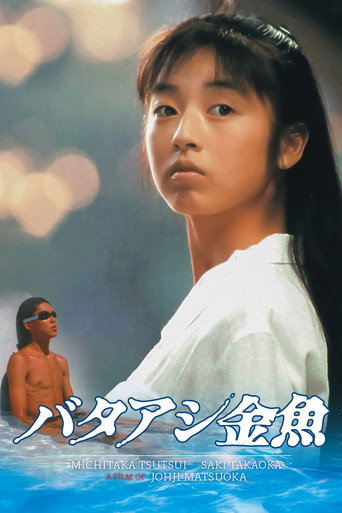
Swimming Upstream
One day after school, Kaoru glances at Sonoko at the pool side. He falls in love with her at first sight and decides to join the swimming team even though he cannot swim.
Midnight Diner
A restaurant opens at midnight. Both the menu offerings and personality of the owner draw a series of flawed patrons including Tamako, whose boyfriend has passed away, live-in worker Michiru, and ruckus-raising Kenzo.
Gallery