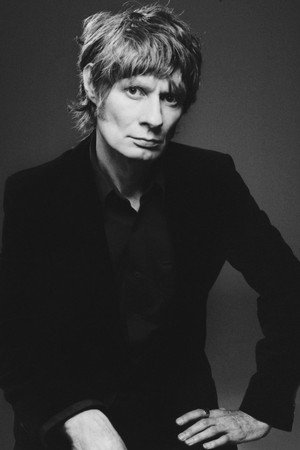
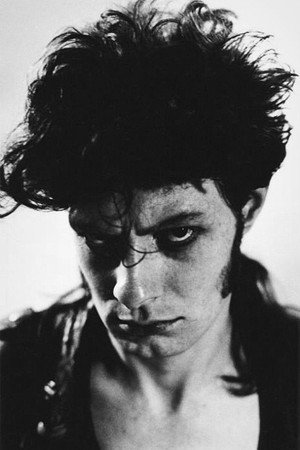
J.G. Thirlwell Movies, TV Shows, and Filmography
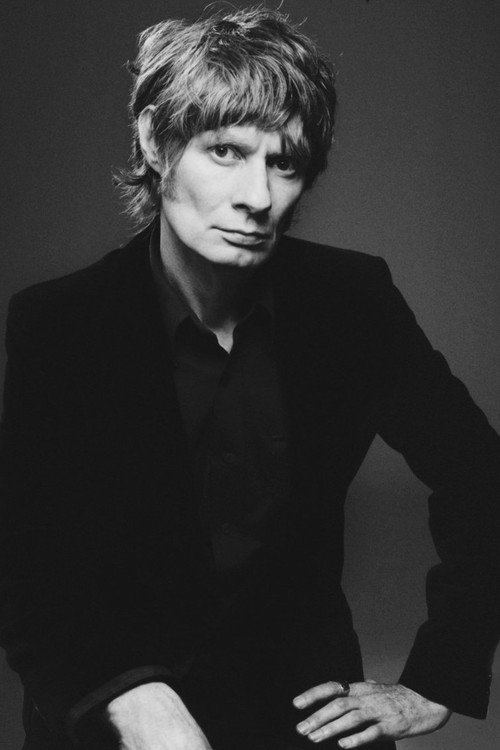
J.G. Thirlwell
Sound
Biography
James George Thirlwell – also known as J.G. Thirlwell, Clint Ruin, Frank Want, and Foetus, among other names, is an Australian singer, composer, and record producer. He is known for juxtaposing a variety of different musical styles.
Filmography Movies
Acting
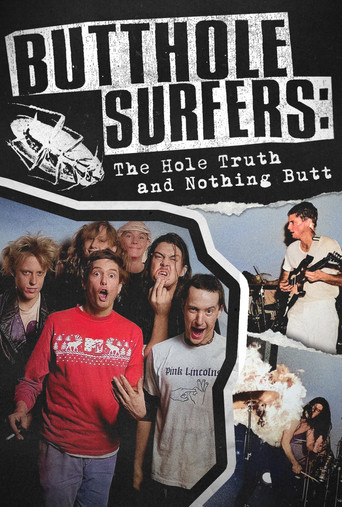
Butthole Surfers: The Hole Truth and Nothing Butt
Follows the story of the groundbreaking Texas-based art-punk band founded by frontman Gibby Haynes and guitarist Paul Leary.
Don't Bring A Dog
Don't Bring A Dog shows a part of the New York underground music scene - rooted in the early eighties - existing apart from MTV and billboard charts. Music, interviews, sounds and pictures of the city blend into a collage. Don't Bring A Dog works like a time capsule of people and music in NY at a particular moment
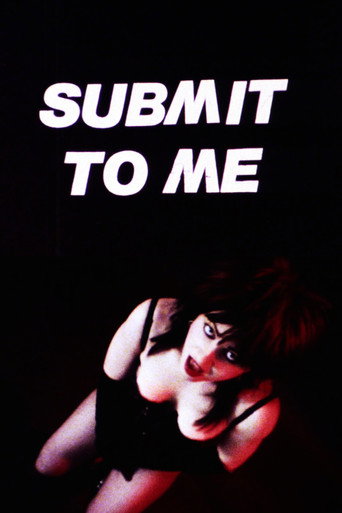
Submit to Me
Cinema of Transgression pioneers and participants (Lydia Lunch, Lung Leg, Nick Zedd, etc.) perform a series of acts as they submit to director Richard Kern's camera. Originally created for DTNY acid parties; Submit to Me was eventually edited down to 10 minutes and given an accompanying score.

Submit to Me Now
Oddballs dancing, leering at camera, guy shaving a nontraditional part of his body and man ripping his own throat out, woman stabbing herself to death.

Male
A live recording of Foetus' November 1990 performance in Manhattan's CBGB nightclub. It was released on VHS originally, and later onto DVD. It was also released as an album.
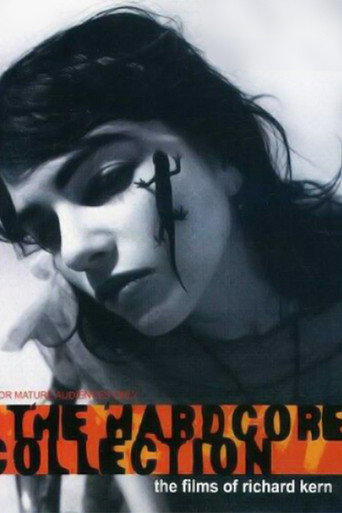
The Hardcore Collection
This DVD features 13 provocative short films by Richard Kern. Color & B&W film shorts with Lydia Lunch, Henry Rollins and more. Includes Death Valley 69 , The Right Side Of My Brain, You Killed Me First, The Bitches, The Sewing Circle, X is Y, Fingered, Horoscope, Submit to Me Now, My Nightmare, Manhattan Loves Suicides, Submit to Me, and Evil Cameraman. Music from Sonic Youth, Cop Shoot Cop, J.G. Thirwell, Butthole Surfers.
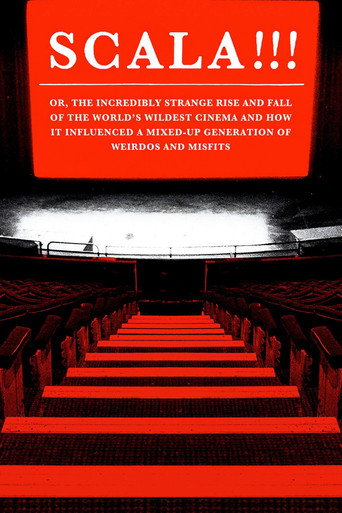
Scala!!!
This feature-length big screen documentary tells the riotous inside story of the infamous sex, drugs and rock 'n' roll repertory cinema which inspired a generation during Britain's turbulent Thatcher years.
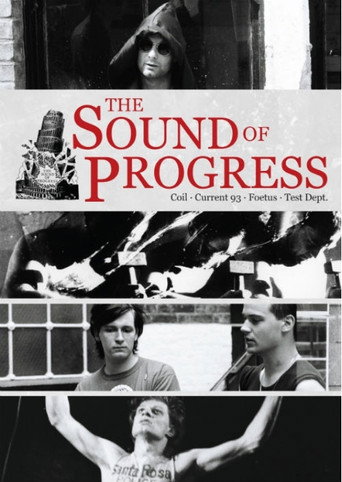
The Sound of Progress
This documentary shows the mindset of the some of the most original and influential artists of the experimental scene (Coil, Current 93, Foetus, Test Dept.). An unprecedented insight into the workings, the methods and the ideas that made these names legendary. Filmed in Hamburg, Amsterdam and London, 1985-1987.
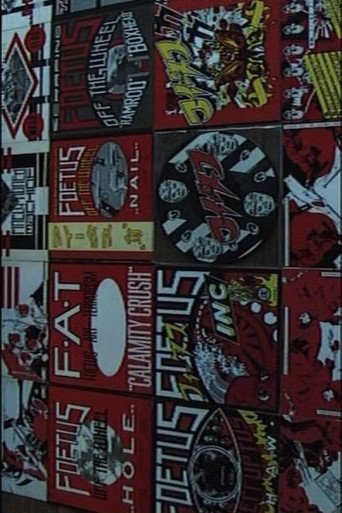
NYC Foetus
A documentary about composer/producer/performer JG Thirlwell and his musical alter-egos, including Foetus, Steroid Maximus and Manorexia. Featuring interviews with Thirlwell, Matt Johnson (The The), Alex Hacke (Neubauten), Michael Gira (Swans), Richard Kern, Lydia Lunch and more.
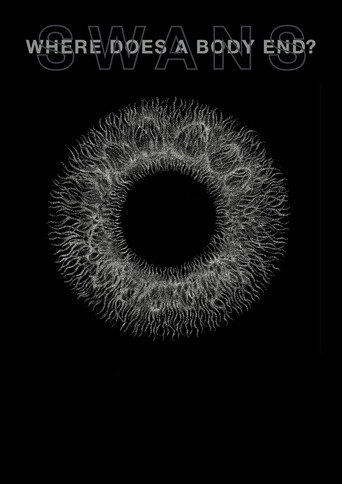
Swans: Where Does a Body End?
From their roots as a brutal, confrontational industrial band, through breakups and chaos, to their odds-defying current status as one of the most accomplished and ambitious bands in the world, one whose concerts are more like ecstatic rituals than nostalgic trips. SWANS has always been a collection of singular performers, but there's been one constant since its formation in 1982--singer, songwriter Michael Gira. 'Where Does a Body End?' is a SWANS documentary with unfettered access to hundreds of hours of Gira/SWANS archives of never-seen-before recordings, videos, and photographs. An unfiltered story of a life in the arts, frequent difficulty spanning decades without a safety net, creating work because Gira says "What else am I going to do?"
Production
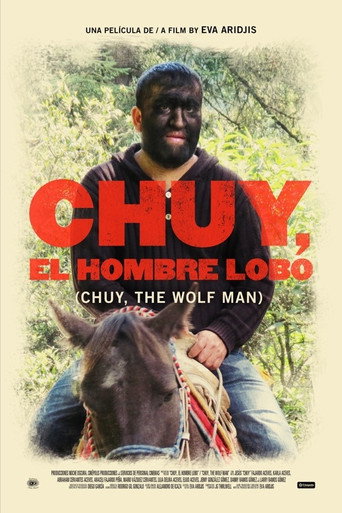
Chuy, The Wolf Man
Jesus 'Chuy' Aceves and a dozen living members of his extended family suffer from the very rare condition of congenital hypertrichosis, meaning they were born with excessive hair on their faces and bodies. Due to their appearance, they suffer from discrimination in all areas of their lives: the children are made fun of at school and abandoned by their 'non-hairy' parents, and the adults cannot find work unless they choose to exhibit themselves as freaks in circuses. This moving and visually arresting documentary is a portrait of Chuy and his family members. It examines their day-to-day lives and their struggle to find love, acceptance and employment.
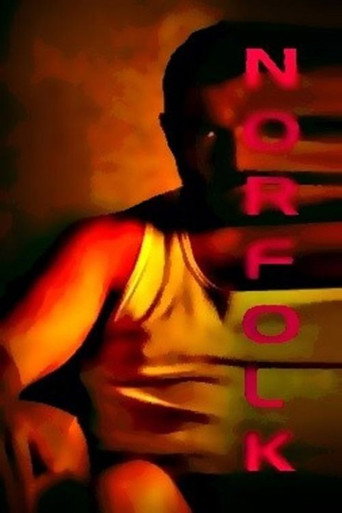
Norfolk
Set in Norfolk, amidst an idyllic, brooding landscape, an innocent teenage boy and his battle-weary father live a simple life. Days are spent hunting, fishing and daydreaming. Out-of-nowhere, disrupting this tranquility, a mysterious intense figure gives the green light for the father to complete one last mission; he is a mercenary, hired to assassinate a group of revolutionaries holed-up in a remote, disused civil service outpost. A mission that threatens to destroy not just the compound but the love between a father and his son.
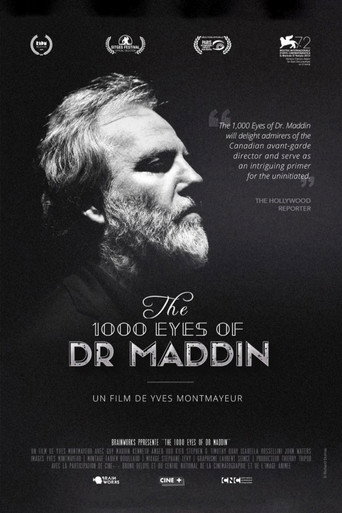
The 1000 Eyes of Dr Maddin
Guy Maddin, who has been nicknamed the Canadian David Lynch, is undoubtedly one of the last remaining Magi of cinema. Despite living in the middle of the digital age, this heretical director hailing from the snowy plains of Canada has spent 25 years transposing the uncommon and the uncanny onto screens over-saturated with naturalistic imagery. A lover of primitive cinema, he has cunningly summoned the light-and-shadow techniques and experimentations of the Golden Age of film to resuscitate a unique cinematographic language which plays with the spectator’s unconscious by means of visual trickery as disturbing as it is absurd. In an attitude as playful at that Maddin’s films this documentary follows the mediumistic experiments of this master of illusion, filmed during the ‘’spirit’’ shootings he presented in Europe.
Cannibal
Cannibal is based on the true-crime story of Armin Meiwes, the "Rotenburg Cannibal" who posted an online ad searching for someone to volunteer to be mutilated and eaten. Unlikely as it may seem, someone actually replied. The film shows a fictional portrayal of the meeting between the cannibal and his victim/participant, their homosexual relationship, and the eventual mutilation and murder of said victim.
Submit to Me Now
Oddballs dancing, leering at camera, guy shaving a nontraditional part of his body and man ripping his own throat out, woman stabbing herself to death.
Stray Dogs
A fan tries to get an artist's attention by literally coming apart.
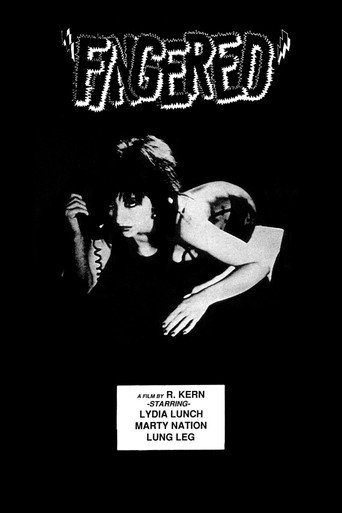
Fingered
One of Richard Kern’s most ambitious works is Fingered (1986), whose sarcastic disclaimer says “although it is not our sole intention to shock, insult, or irritate, you have been warned that we are catering only to our own preferences.” The film came about following the criticism of Kern and Lydia Lunch's first collaborative venture: The Right Side of My Brain (1984).
Goodbye 42nd Street
Shots of walking down 42nd Street showing storefronts including everything from Texas Fried Chicken to 25¢ porn arcades.
You Killed Me First
Elizabeth bristles at the religious directives of her parents, asserting her right to personhood outside demure hairstyles and turkey dinners, constructing voodoo dolls and entertaining other manners of dark drawing in her dank emo-den. When confronted with the humanity and hypocrisy of her tormentors, the young antihero vanquishes their belief systems (and bodies) asserting, "You killed me first!"
Male
A live recording of Foetus' November 1990 performance in Manhattan's CBGB nightclub. It was released on VHS originally, and later onto DVD. It was also released as an album.
Gallery