Directing
No biography available.
Newsreels from the '30s constitute the bulk of this fascinating documentary, clearly illustrating that the public was fed an extremely biased view of events: straight propaganda, the stricture to provide entertainment, and the attempt to be objective all contributing to this. Lewis and producer Elizabeth Taylor-Mead have constructed their argument well, but it is Jonathan Dimbleby's brief comments towards the end that contain the crucial lesson: forty years on, the same forces work to distort our view of Northern Ireland. The film only indicates this to be the case, but it is precise and coherent enough to make the point with considerable force.
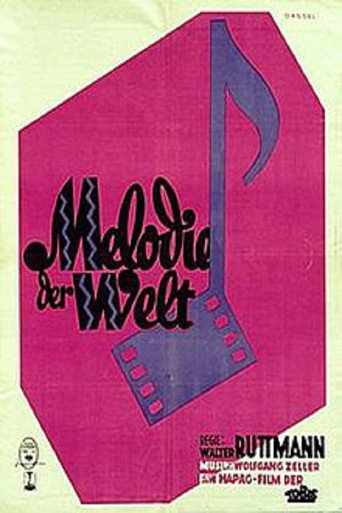
An impression of the state of the world in 1929, contrasting similarities and differences in religion, customs, art and entertainment from all over the world. The film is constructed like a symphony.
Avant-garde appeal on behalf of and made by the adventurous leftist London cinema, The Other Cinema, using the facilities provided by the BBC community programme unit.
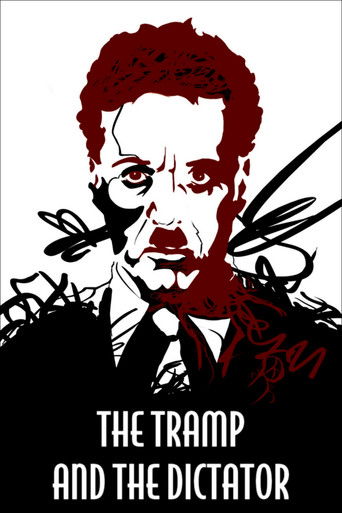
A look at the parallel lives of Charlie Chaplin and Adolf Hitler and how they crossed with the creation of the film “The Great Dictator,” released in 1940.
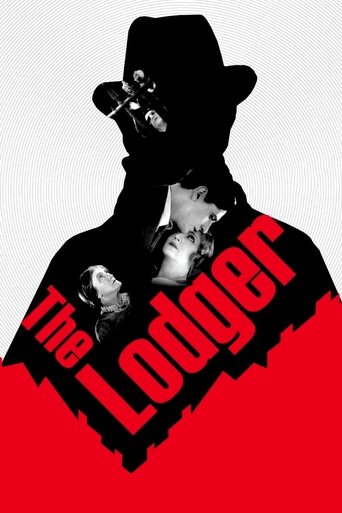
London. A mysterious serial killer brutally murders young blond women by stalking them in the night fog. One foggy, sinister night, a young man who claims his name is Jonathan Drew arrives at the guest house run by the Bunting family and rents a room.
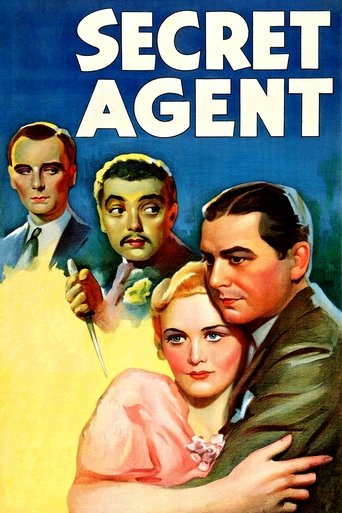
During World War I, a novelist declared dead is recruited by British intelligence and sent to Switzerland under a new identity to assassinate a German spy. Teamed with a fellow agent posing as his wife and an eccentric assassin known as “the General,” the trio close in on their target — until two of them grow ambivalent when their duty to the mission clashes with their consciences.
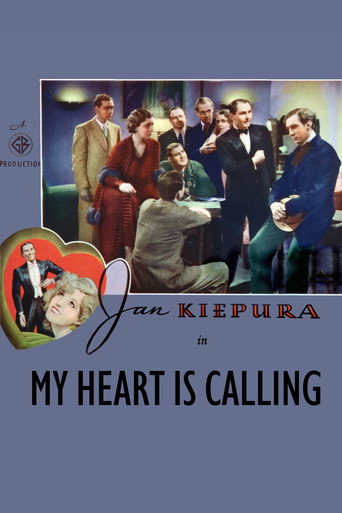
Musical comedy. An opera singer falls for a stowaway on the way to Monte Carlo
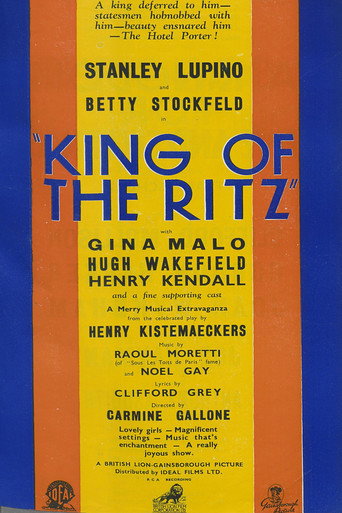
While working at a top hotel, the head porter falls in love with a wealthy female guest.
This cinematic travelogue consists of three parts. In the first part, texts and small maps are our guides through Madrid in 1936. We see pictures of daily life against the background of the fascist shillings. A sad portrait of destroyed houses, the search for survivors under the rubble, and children's corpses in small wooden coffins. Central to the second part is the defence of liberty. Images from the front alternate with fragments of the besieged city. The last part deals with the aid given to and still needed by the town; an appeal is made to give money for medicines. This film breathes an unfaltering belief in a favourable close: unconditional victory. At the time, the film was a great success and yielded a lot of money for medical aid to Spain.
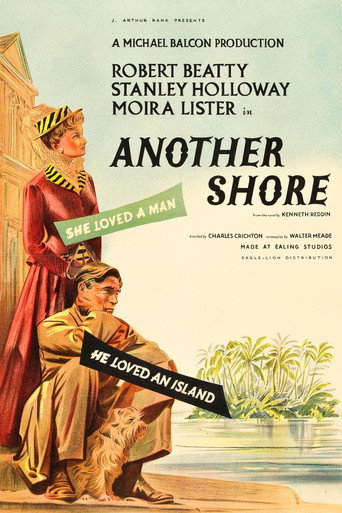
A young Irishman comes up with an unusual plan to get the money to emigrate to Tahiti. One of the Ealing comedies.
A short film on Republican efforts to improve education standards during the Spanish Civil War.
“Bitter attack on the policies of the National Government - its laxity over social services and its mistakes in foreign policy - and their consequences for the British working class. There are two versions - long [30 mins.] and short [17 mins.].” - BFI.