Ivars Seleckis Movies, TV Shows, and Filmography
Ivars Seleckis
Directing
Biography
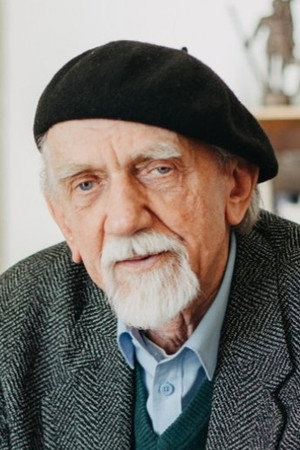
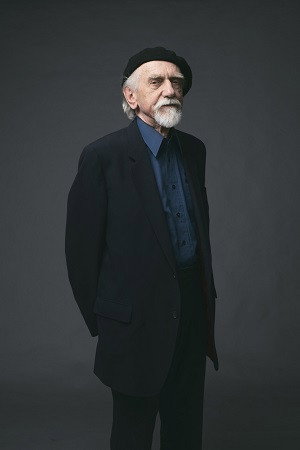
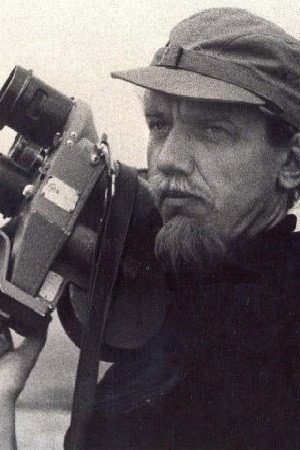
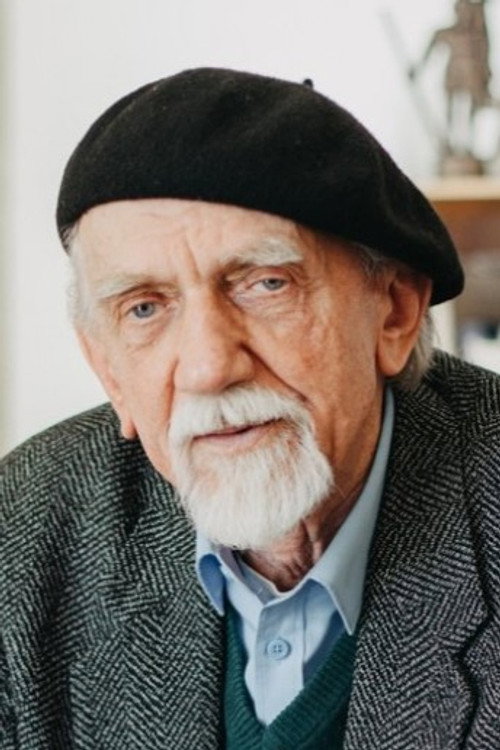
Latvian documentary filmmaker Ivars Seleckis (1934) is one of the founders of the legendary Riga school of poetic documentary film. Seleckis started his career in film in 1958 as assistant cameraman at the Riga Film Studio. In 1966, he graduated from the Moscow Film Institute as a professional cinematographer and made his debut as a documentary director in 1968. A large part of Ivars Seleckis’ filmography belongs to the canon of Latvian film history, including his Crossroad Street (1988), winner of three of the world’s most prestigious documentary awards. Now in his eighties, Seleckis is still busy making new films ‒ despite having received the Lifetime Contribution Award of Lielais Kristaps National Film Festival as he was marking his 80th birthday.
Filmography Movies
Acting
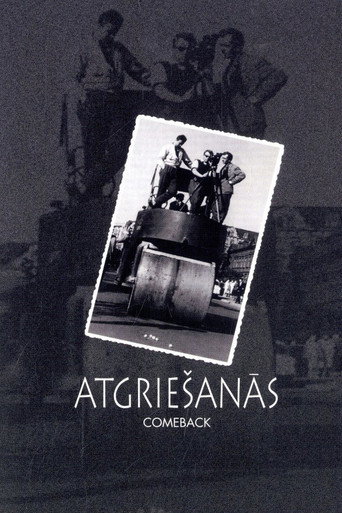
Comeback
Uldis Brauns' conversation with Ivars Seleckis about films and time.
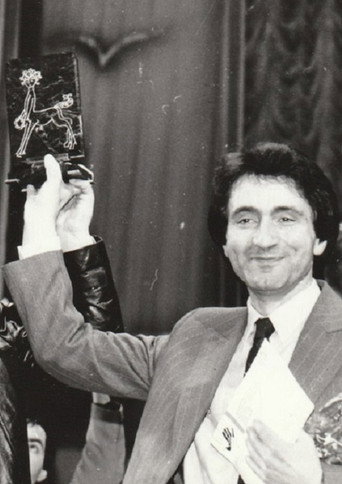
Message to Man
In January 1989 the first Message to Man International Film Festival took place in Leningrad. This film, made during the festival, is a record of its events, guests and participants, such as the American director Leo Hurwitz, the Latvian director Ivars Seleckis, and the ballerina Natalya Makarova, among others. It also shows the “engine room” of the festival: the work of the main office and the PROKKa professional cinematographers’ club, guests being greeted and seen off. A charity evening with Natalya Makarova, a memorial service to commemorate the victims of the war and excerpts of documentary films presented at the festival are also featured.
Bridges of Time
At the beginning of the 1960s, when the French pioneers of cinéma vérité set out to achieve a new realism, and when direct cinema in Québec began to vie for notice, the Baltics wit-nessed the birth of a generation of documentarists who favored a more romantic view of the world around them. This meditative documentary essay – from a Latvian writer and Lithuanian director whose composed touch has long dovetailed with the stylistically diverse works of the Baltic New Wave – pushes adroitly past the limits of the common his-toriographic investigation to create a portrait of less-clearly remembered filmmakers. The result is a consummate poetic treatment of the ontology of documentary creation. Also a cinematic poem about cinema poets.
Together Again
People gather in the woods to learn about cameras
Cinema Day
The film "Kino diena" (Cinema Day) is a meeting with two documentary filmmakers and life partners, Ivars and Maija Seleckis, for "the length of a single film screening," reviewing the films they have made together and attempting to articulate the phenomenon of the Riga documentary film school and the essence of the documentary filmmaker's profession, which is difficult to express in words.
Production
Zolitūde
Zolitude is inhabited mainly by immigrants. An extremely denational environment, a disorderly everyday life, depressing standard type architecture - these are the problems faced by the film's characters.
Zolitūde
Zolitude is inhabited mainly by immigrants. An extremely denational environment, a disorderly everyday life, depressing standard type architecture - these are the problems faced by the film's characters.
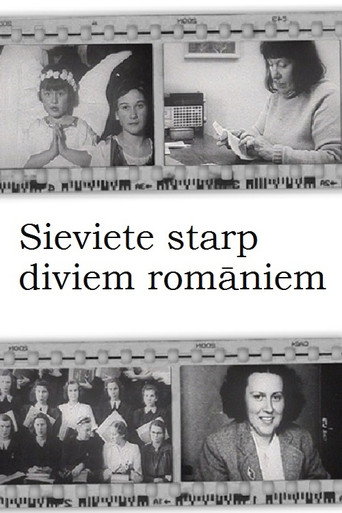
Sieviete starp diviem romāniem
The film tells the story of writer Regīna Ezera. The writer swims in a lake, shops at the market, writes on a typewriter at home, and writes the book "Nostalgia." R. Ezera rides a train at the Riga Railway Station. Regīna Ezera at a congress in Moscow.
Sieviete starp diviem romāniem
The film tells the story of writer Regīna Ezera. The writer swims in a lake, shops at the market, writes on a typewriter at home, and writes the book "Nostalgia." R. Ezera rides a train at the Riga Railway Station. Regīna Ezera at a congress in Moscow.
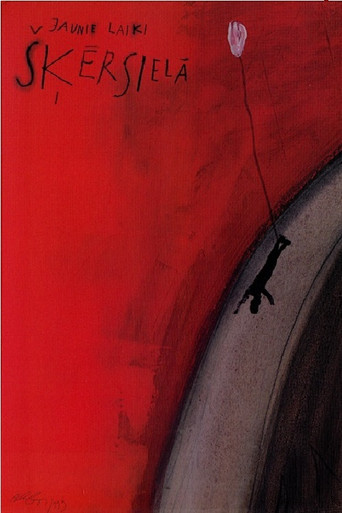
New Times at Crossroad Street
Ten years have passed since we made the film “Crossroad Street”, about a small street in the suburbs of the city of Riga. Now we’ve come back. Perhaps it was a sense of duty, perhaps nostalgia that brought us back – who knows? Perhaps it was both. Daiga, Aldis, Osis – they’re all our people. The first film had an impact on both the filmmakers and the residents of Crossroad Street. We found friends whom we want to meet again and again. Society has become more prosperous, several value systems coexist side-by-side. People often live in these systems as though they were in different worlds that never meet. We felt that the world inhabited by our people is sinking into oblivion, and so we wanted to show that it still has its own turbulence, that Crossroad Street resembles Latvia’s palm – the place where a fortune teller can see the lines of its destiny.
New Times at Crossroad Street
Ten years have passed since we made the film “Crossroad Street”, about a small street in the suburbs of the city of Riga. Now we’ve come back. Perhaps it was a sense of duty, perhaps nostalgia that brought us back – who knows? Perhaps it was both. Daiga, Aldis, Osis – they’re all our people. The first film had an impact on both the filmmakers and the residents of Crossroad Street. We found friends whom we want to meet again and again. Society has become more prosperous, several value systems coexist side-by-side. People often live in these systems as though they were in different worlds that never meet. We felt that the world inhabited by our people is sinking into oblivion, and so we wanted to show that it still has its own turbulence, that Crossroad Street resembles Latvia’s palm – the place where a fortune teller can see the lines of its destiny.
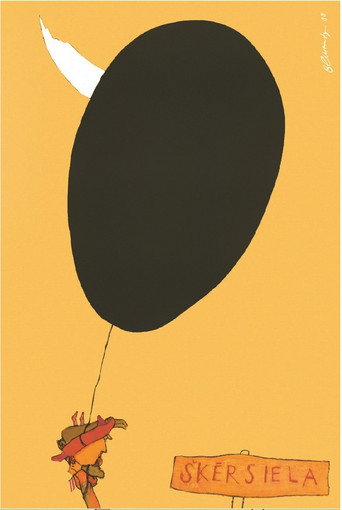
Crossroad Street
Crossroad Street is a small street just 800 metres long on the outskirts of the Latvian capital, Riga. Its various inhabitants, each with his or her own destiny, daily life and relationships with the neighbours, form a microcosm of the country during the time of the Awakening. The genuine interest of the film's creators in the so-called average person earned a number of international awards, including a European Film Award for best documentary in 1989.
Crossroad Street
Crossroad Street is a small street just 800 metres long on the outskirts of the Latvian capital, Riga. Its various inhabitants, each with his or her own destiny, daily life and relationships with the neighbours, form a microcosm of the country during the time of the Awakening. The genuine interest of the film's creators in the so-called average person earned a number of international awards, including a European Film Award for best documentary in 1989.
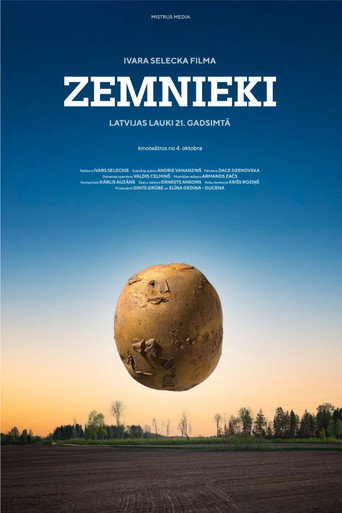
The Land
Through six very different families, documentary “The Land” shows the variety of the countryside in the 21st century, the contradictions of countryside living as well as illusions about farmer’s life. There are various reasons why our protagonists chose to live in the homesteads, away from the hustle and bustle of the city. Some were done with spending too much time in an office, traffic and living a virtual life, they wanted real, tangible things. Some have moved to countryside by their own choice, but some by predisposition of their families. But what unites them all - they aspire for the stability provided by their own land and house. Together with our protagonists, we will spend one year’s cycle of farmer’s life, that will start with the spring sowing and finish with the autumn harvest and land preparation for the next year.
Primadonna on Rollerskates
She is young and beautiful. But a film portrait is more grateful to the life story of a person whose greatest works are already behind them... If the heroine of our film is so young, the most difficult path remains – to try to show how this star of the stage came to be. What was given by God and family, what was gained through the contradictions of Elīna Garanča's own soul and her passion for work.
Gallery