Camera
No biography available.
This documentary-style story tells the story of an aspiring documentary filmmaker who is preparing a film about the history of glassmaking. He is honestly gathering information, slowly getting closer to an unknown and not always accessible environment, to people, whose actions he often doesn't understand because he misses their motivations... Shards for Eva is certainly not a skillfully wrought work, but it certainly impresses with its sense of at least partial capture of everyday reality.
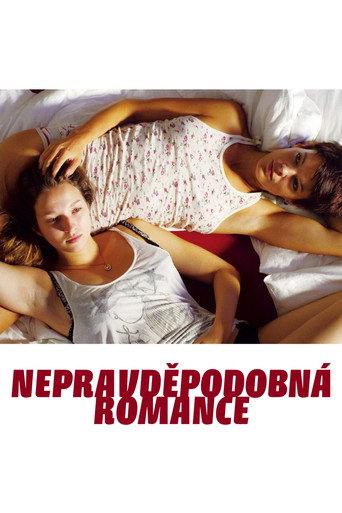
Luisa and Erika are prototypes of young women who plunge into relationships with the "wrong" men. Luisa wants to become an actress, which upsets her husband Igor to no end. Erika is trying to work as much as possible so that she can afford to study and thereby achieve a better outlook on life, but she unfortunately runs up against a boss who doesn't have the best intentions with her. Ultimately Luisa's husband demonstratively commits suicide. Erika accidentally kills her boss in self-defense... The women blame themselves for all these failures, and that has got to change. Both have to grow up and start living again. Perhaps even together.
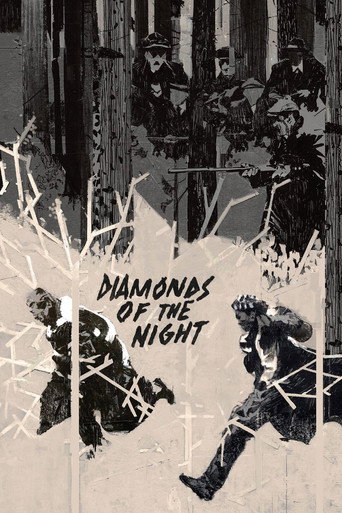
Two Jewish boys escape from a train transporting them from one concentration camp to another. Beyond themes of war and anti-Nazism, the film concerns itself with man's struggle to preserve human dignity.
A poetic melodramatic documentary inspired by the death of Jan Palach. The footage from the funeral is accompanied by the words of Maxim Gorky's Old Woman Izergil (On the Flaming Danek's Heart), sung by Kühn's mixed choir, solos by Milada Sýkorová and Jiří Němeček. The apotheosis of a leader who sacrificed himself to save his people, warning of the cowardice of the crowd.
Showing his own original footage of Prague Spring, director Evald Schorm describes the atmosphere these days in 1968.
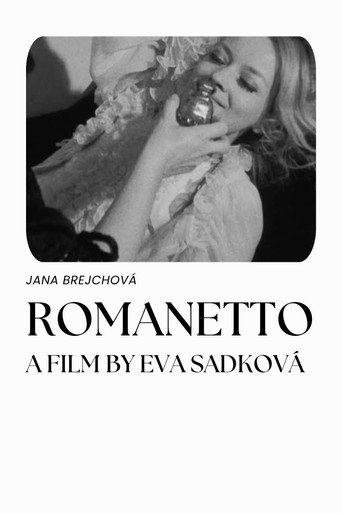
An aristocratic woman suffers a severe nervous breakdown and is subsequently institutionalized following a disastrous infidelity. She descends into madness while grappling with intense psychological torment and the fallout of her social and personal life.
From the behavior, discourse, and appearance of individual actors, Vachek composes, in the form of a mosaic, a broad and many-layered film-argument about Czechoslovak democracy in the period of its rebirth, all administered with the director’s inimitable point of view.